
Video Spokesperson: Hire One or Generate One
What Is a Video Spokesperson?
A video spokesperson is the person who speaks to camera on a company's behalf: introducing a product, delivering training, or fronting an announcement. Traditionally that meant casting a presenter and booking a shoot. An AI video spokesperson is a digital presenter that delivers the same script from text, which changes the cost of the second video far more than the first.
Trusted by the world's leading brands







Spokesperson Video Examples
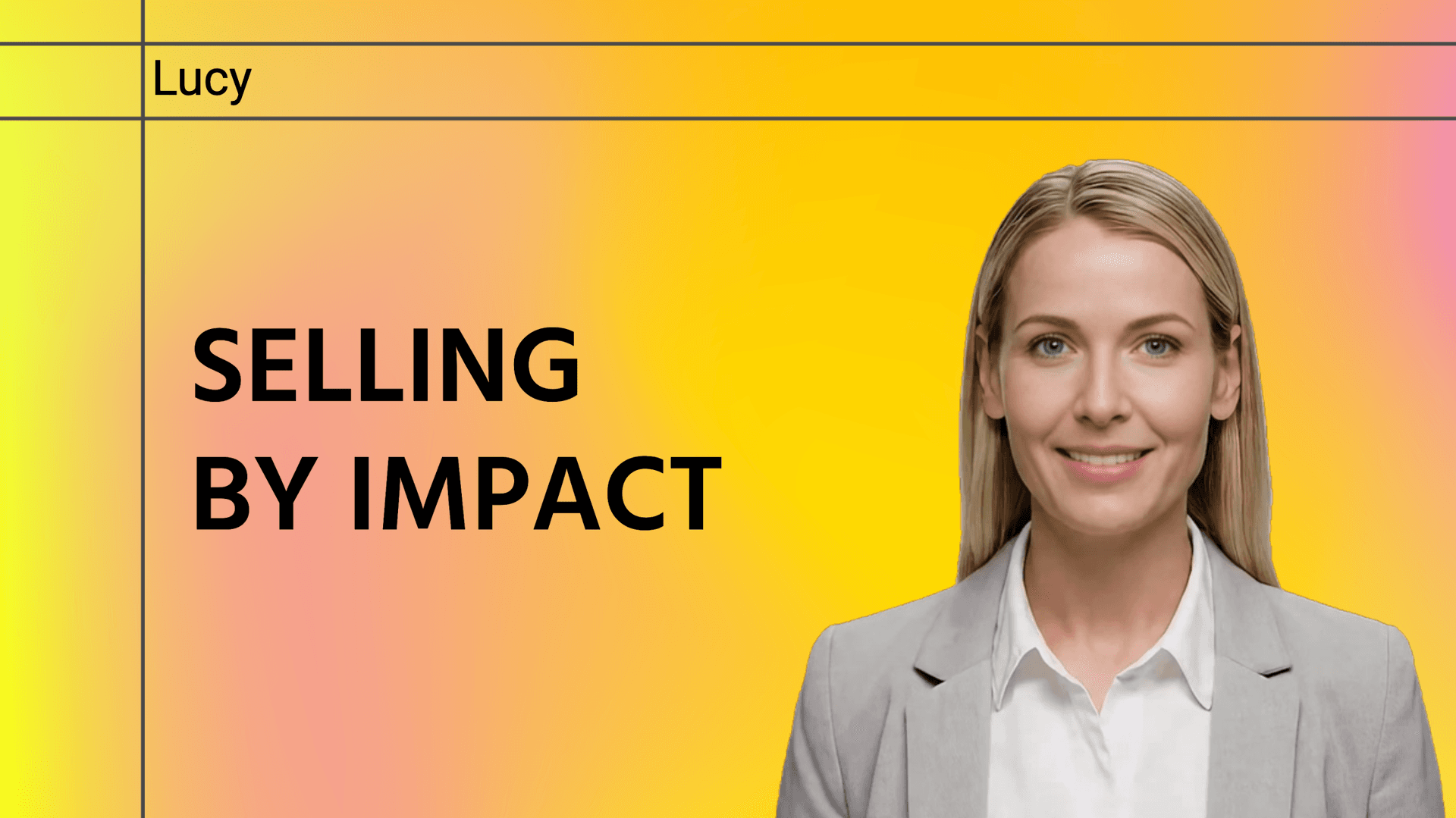
مقدمة الحل
يوضح البيع المرتكز على الحلول باستخدام PulseGuard، مع التركيز على تحديات العملاء، الأثر القابل للقياس، ورواية القصص القائمة على القيمة، لبناء الثقة وتكوين شراكات طويلة الأمد.

برنامج الشراكة
نقدم برنامج الشراكة بالامتياز التجاري لـ Verdant Leaf Tea، مسلطين الضوء على قيم العلامة التجارية، وحرفية الشاي، وتجارب المجتمع، وفرص الشراكة طويلة الأمد.

نظرة عامة على Prime Wealth

مبادئ التنفيذ
اكتشف ثلاث تحولات إنتاجية للمؤسسين: ركز على النتائج لا الكمال، تعمق في مهمة واحدة بدلاً من تعدد المهام، وحدد أهدافك بوضوح للحفاظ على الزخم.
Hiring a Spokesperson vs Generating One
Rewrites cost a render
The same face every time
Volume stops being the problem
Hiring still wins sometimes
How to Make a Spokesperson Video with AI
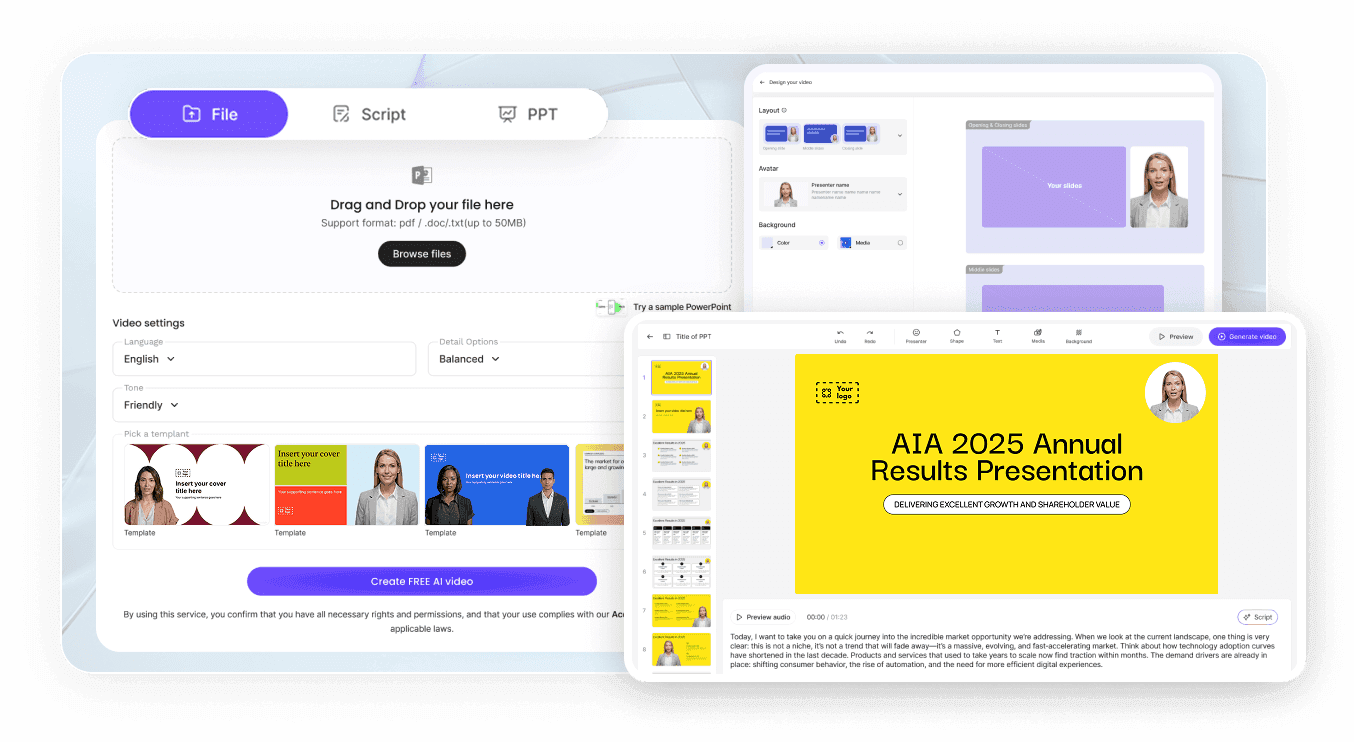
Step 1: Choose your spokesperson
Step 2: Write and style it
Step 3: Publish and control access
Video Spokesperson Use Cases
Front a product launch
Announcements go out the week they are decided instead of waiting for a presenter's calendar to open.
Deliver mandatory training
Compliance modules get revised often. A generated spokesperson reads the current version without rebooking anyone.
Run sales enablement updates
Reps need the new positioning explained, not emailed. Short spokesperson videos land better than a deck sent on Friday.
Brief regional offices
The same briefing can go out in the language each office reads, from one approved script.

What Enterprise Teams Need from a Spokesperson Video
Lock down internal videos
See whether it was watched
Share one set of assets
Control who can build
Spokesperson Video Ideas
Website explainer on the homepage
Trade show booth loop
Investor and partner updates
Customer onboarding sequence
Internal policy announcements
Support answers for common issues
Frequently asked questions
A video spokesperson is the presenter who speaks to camera on behalf of a brand, in product videos, training, announcements and ads. The role can be filled by a hired actor or by an AI presenter that delivers scripts you write.
Hiring varies widely by market, talent and usage rights, and each reshoot is billed again. Generating one runs on your Leadde plan instead, with a Free tier available and paid tiers listed on the pricing page, so additional videos do not add talent fees.
Yes, provided that person has agreed to it. A clear, recent headshot added under My Avatars is enough to produce a Photo Avatar of that colleague. For a closer likeness that copies their real movement and expressions, email support@leadde.ai about a Studio Avatar built from a video clip.
Product explainers, training and compliance modules, internal announcements, sales enablement material, onboarding sequences, event messages and support answers. The common thread is that a person addressing the camera holds attention better than text on screen, particularly for content people are required rather than eager to watch.
Leadde covers 88 languages and 175 dialects, and accents can be selected by region rather than by language alone. Write the script directly in the language you need, or open a finished video and produce a translated draft, choosing whether text on the canvas is translated too.
Yes. Open the published video, click Share, switch on password protection and copy the encrypted link from the panel. Only people who have both the link and the password can open it, which is what makes the difference for a strategy briefing or an internal announcement.
Yes. Analytics on the share page separates the people who opened the video from the people who finished it, and reports watch time alongside shares and interactions. That is usually enough to tell whether a briefing landed or was clicked and abandoned.
No. The work is writing the script and deciding who presents it and in what voice. Scenes, transitions and captions are set through panels in the editor rather than on a timeline, and the finished video is generated for you instead of being assembled clip by clip.
Put a spokesperson in front of your next script