
Commercial Video Production Process Explained: From Script to Final Video

Short answer:
The commercial video production process follows a clear sequence: strategy and scripting, pre-production planning, filming, post-production editing, and final delivery. Each stage builds on the previous one, and skipping steps usually leads to higher costs, delays, or weaker results. Understanding this process helps businesses plan better videos and avoid common production mistakes.
Platforms like Leadde simplify this process by turning scripts or documents into structured commercial videos automatically, reducing production time and eliminating the need for complex filming and post-production workflows.

What Is the Commercial Video Production Process?
The commercial video production process is the structured workflow used to plan, create, and deliver a video designed for marketing, advertising, training, or brand communication.
Core stages of commercial video production
- Pre-production (planning and preparation)
- Production (filming or recording)
- Post-production (editing and finishing)
- Distribution and optimization
Each stage has a clear purpose and directly affects quality, cost, and timelines.
Step 1: Strategy and Goal Definition for Commercial Videos
Every successful commercial video starts with a clear objective.
Key questions to define early
- Who is the target audience?
- What action should viewers take?
- Where will the video be published?
- How will success be measured?
This step ensures the video supports real business goals instead of just looking good.
Step 2: Scriptwriting for Commercial Video Production
Scriptwriting translates strategy into a clear message.
What a commercial video script includes
- Core message and value proposition
- Dialogue or voiceover text
- Scene descriptions and transitions
- Call to action
Well-written scripts reduce filming time and prevent costly reshoots.
Step 3: Storyboarding and Visual Planning
Storyboarding turns the script into visuals.
Why storyboards matter
- Aligns stakeholders before filming
- Clarifies camera angles and pacing
- Identifies missing shots early
Some teams use detailed storyboards, while others rely on shot lists for simpler projects.
Step 4: Pre-Production Planning and Logistics
Pre-production is where most problems are prevented.
Common pre-production tasks
- Scheduling filming days
- Hiring crew and talent
- Securing locations and permits
- Preparing props, wardrobe, and equipment
Strong pre-production keeps filming efficient and on budget.
Step 5: Casting and Talent Preparation
Talent impacts how credible and engaging a commercial feels.
Types of talent used in commercial videos
- Professional actors
- Company employees
- Voiceover artists
- On-camera presenters
Usage rights and performance expectations should be finalized before filming.
Step 6: Filming and Production Execution
Production is where the video is actually captured.
What happens during filming
- Camera and lighting setup
- Multiple takes per scene
- Direction and performance adjustments
- On-set audio recording
Filming typically takes one to several days depending on complexity.
Step 7: Managing Time and Budget During Production
Production days are expensive, so efficiency matters.
Best practices on set
- Stick to the shooting schedule
- Prioritize must-have shots
- Capture backup takes
- Log footage properly
Small delays during filming often create large post-production costs later.
Step 8: Post-Production Editing for Commercial Videos
Post-production turns raw footage into a finished product.
Post-production includes
- Video editing and sequencing
- Color correction and grading
- Audio cleanup and sound design
- Motion graphics and titles
This phase often takes longer than filming itself.
Step 9: Feedback, Revisions, and Approvals
Review cycles shape the final result.
How to manage revisions efficiently
- Limit approval stakeholders
- Provide consolidated feedback
- Define revision rounds in advance
Unstructured feedback is a common cause of missed deadlines.
Step 10: Final Export and Video Delivery
Once approved, the video is prepared for distribution.
Typical delivery formats
- Social media aspect ratios
- Website and landing page versions
- Paid advertising formats
- High-resolution master files
Export settings should match platform requirements.
Timeline: How Long Does Commercial Video Production Take?
Production timelines vary by scope.
Typical production timelines
- Simple videos: 1–2 weeks
- Mid-range commercial videos: 3–6 weeks
- High-end campaigns: 2–3 months or more
Most delays happen during approvals, not filming.
Common Mistakes in Commercial Video Production
Avoiding these saves time and money.
Frequent production issues
- Starting without a clear goal
- Rushing script development
- Underestimating post-production time
- Too many decision-makers
- Ignoring distribution requirements
Planning fixes most of these problems early.
Traditional Commercial Video Production vs Modern Workflows
The process is evolving in 2026.
Traditional workflow
- Heavy pre-production
- Expensive filming days
- Limited scalability
Modern workflow
- Template-based planning
- Modular scenes
- Faster updates and localization
Both follow similar steps, but execution speed differs significantly.
AI Commercial Video Production Workflow (Modern Alternative)
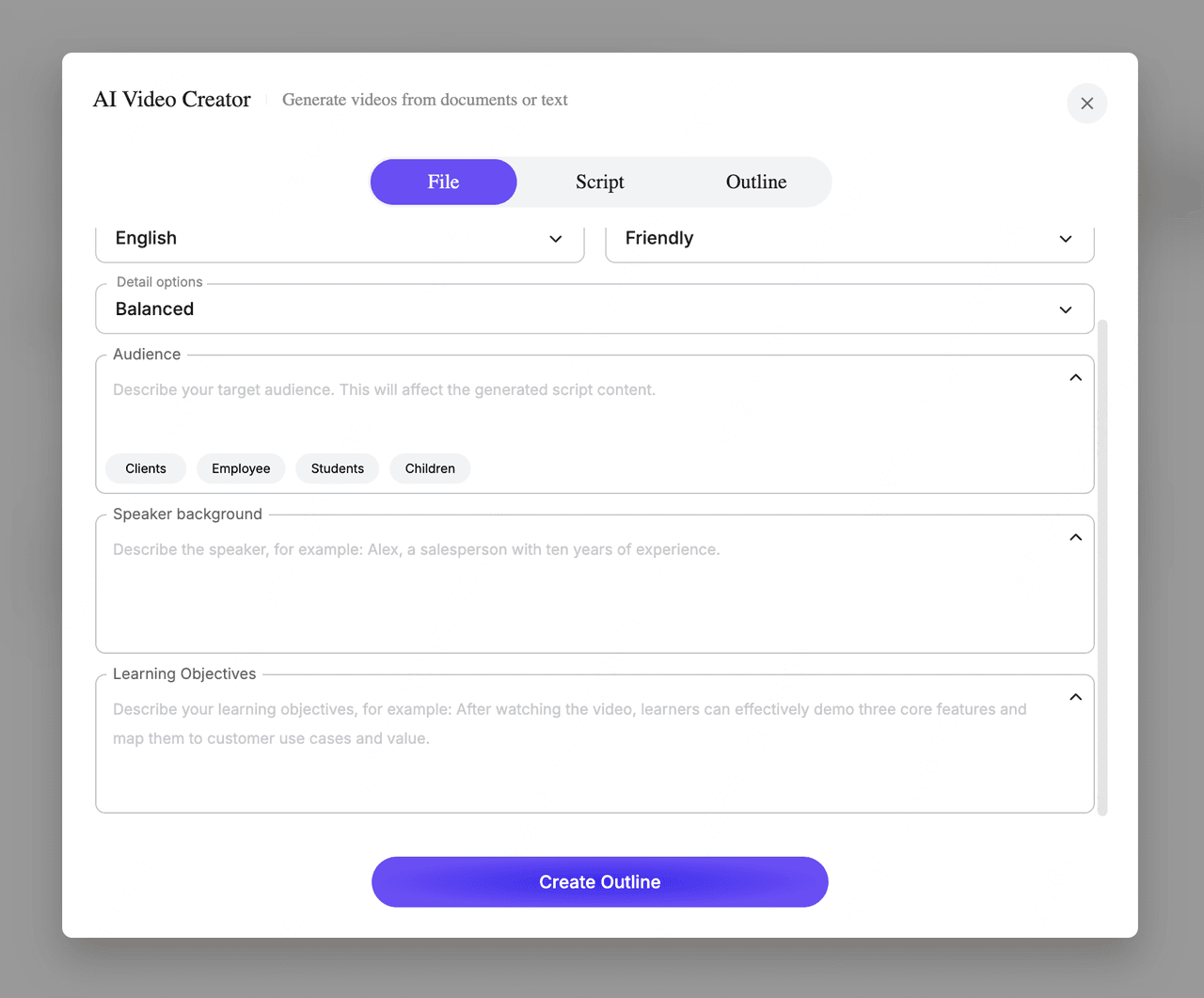
AI commercial video production replaces filming-heavy workflows with a software-driven process that turns scripts, documents, or prompts into finished videos.
Instead of coordinating crews, locations, and long post-production cycles, teams define a clear goal, input content, and let AI automatically generate scenes, narration, layouts, and branded visuals.
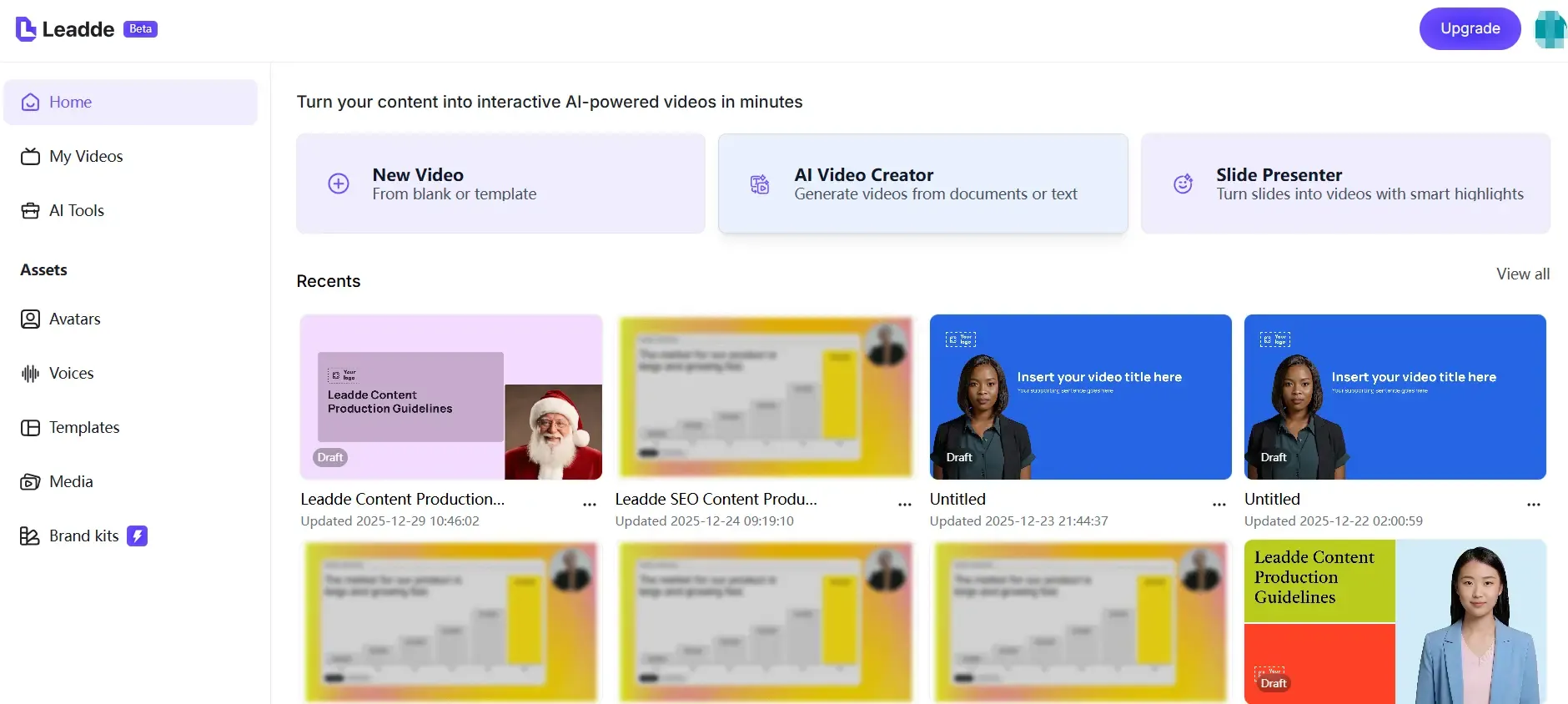
Human involvement is mainly focused on review and light edits, rather than hands-on filming or manual timeline editing.
This approach significantly reduces production cost and turnaround time, while making it easy to scale videos across formats, languages, and campaigns. That’s why AI has become a practical alternative to traditional commercial video production for training, onboarding, product demos, and performance marketing.
Final Take: Why the Production Process Matters
The commercial video production process is not just a checklist. It’s a system designed to protect quality, control costs, and deliver results. Teams that understand each step produce better videos faster, while those who skip steps often pay for it later.
Knowing the process lets you plan smarter, budget accurately, and create commercial videos that actually perform.