
Traditional Commercial Video Production vs AI Video Creation: Which Scales Better?

Short answer:
AI video creation scales far better than traditional commercial video production. It is faster, cheaper, easier to adapt across markets, and built for repetition at volume. Traditional production still wins in cinematic depth and high-end branding, but it struggles to scale without significant cost and coordination.
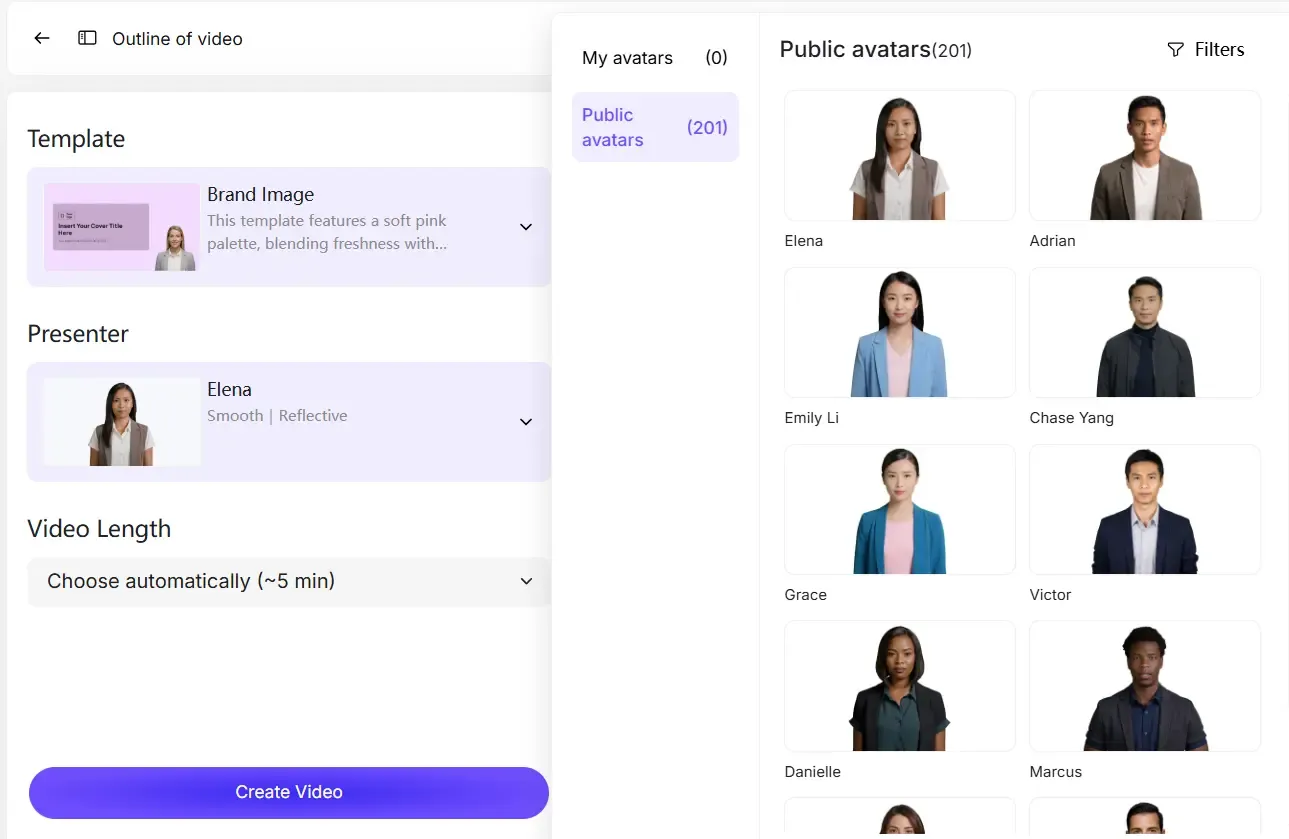
Platforms like Leadde help teams achieve this scale by turning scripts and documents into branded, multilingual commercial videos in minutes, without the cost and coordination of traditional production.

What Is Traditional Commercial Video Production?
Traditional commercial video production follows a linear, resource-heavy process that has remained largely unchanged for decades. It relies on physical crews, locations, and post-production teams.
Core elements of traditional video production
- Scriptwriting and storyboarding
- Hiring actors, directors, and crew
- Location scouting or studio rental
- Filming with professional equipment
- Editing, color grading, sound design
- Multiple review and revision cycles
This approach is best suited for brand films, TV commercials, and flagship campaigns where visual polish and emotional impact matter more than speed or scale.
What Is AI Video Creation?

AI video creation uses artificial intelligence models to generate videos from text, images, audio, or existing footage. The workflow is software-driven rather than production-driven.
Common AI video creation capabilities
- Text-to-video and script-to-video generation
- AI avatars and virtual presenters
- Automatic subtitles and voiceovers
- One-click language localization
- Template-based video variations
- Rapid re-editing without reshoots
AI video tools are designed for speed, iteration, and volume, making them especially attractive for digital-first teams.
Cost Comparison: Traditional Video Production vs AI Video Creation
Cost is one of the clearest differences between the two approaches.
Traditional commercial video production costs
- Crew and talent fees
- Equipment rental
- Studio or location costs
- Travel and logistics
- Post-production labor
A single commercial can easily cost thousands or tens of thousands of dollars, even before distribution.
AI video creation costs
- Software subscription or usage-based pricing
- No physical crew or locations
- Minimal marginal cost per additional video
Once the system is set up, creating the 10th or 100th video costs nearly the same as the first.
From a scaling perspective, AI video creation is dramatically more cost-efficient.
Speed and Turnaround Time at Scale
Speed is where scaling either succeeds or fails.
Traditional video production speed limits
- Scheduling delays
- Fixed shooting timelines
- Slow revision cycles
- Reshoots required for changes
Producing multiple variations often means repeating most of the process.
AI video creation speed advantages
- Videos generated in minutes or hours
- Instant edits by changing text or inputs
- No reshoots or re-filming
- Parallel production of hundreds of assets
If your strategy requires frequent updates or rapid experimentation, traditional production becomes a bottleneck.
Content Volume and Scalability for Marketing Teams
Modern marketing is driven by volume, not just quality.
Challenges scaling traditional video production
- Each video is a mini project
- Resource allocation grows linearly
- Hard to support daily or weekly publishing
- Limited personalization
AI video creation at scale
- One script can generate dozens of variations
- Easy A/B testing for ads
- Personalized videos by audience or region
- Consistent branding across assets
AI video creation aligns naturally with performance marketing, social media, and SEO-driven content strategies.
Localization and Multilingual Video Scaling
Global reach is expensive with traditional methods.
Traditional localization challenges
- Hiring native speakers
- Re-recording voiceovers
- Manual subtitle creation
- High per-language cost
AI-powered localization benefits
- Instant translation and dubbing
- Consistent tone across languages
- Subtitles generated automatically
- Scales to dozens of markets
For companies expanding internationally, AI video creation removes one of the biggest growth barriers.
Creative Quality and Brand Control
This is where traditional production still matters.
Strengths of traditional commercial video production
- Cinematic visuals
- Nuanced acting and emotion
- Custom lighting and camera work
- High prestige and polish
Limitations of AI video creation
- Less emotional subtlety
- Template-driven visuals
- Still improving realism
For high-stakes brand moments, traditional production may still be the better choice. For ongoing content, AI quality is often more than sufficient.
Workflow Flexibility and Iteration Speed
Iteration drives performance.
Traditional workflow limitations
- Feedback cycles are slow
- Changes are expensive
- Creative experimentation is risky
AI-first workflows
- Edit scripts without restarting
- Generate multiple styles instantly
- Test and optimize continuously
This flexibility makes AI video creation ideal for growth teams and data-driven marketers.
Use Cases Where AI Video Creation Scales Better
AI video creation clearly outperforms traditional methods in these scenarios:
- Paid social ads
- Product demos and explainers
- Educational and onboarding videos
- E-commerce product videos
- Multilingual marketing campaigns
- SEO and content marketing videos
When Traditional Commercial Video Production Still Makes Sense
Despite scaling limits, traditional production remains valuable for:
- Brand launch videos
- TV commercials
- High-end storytelling
- Investor or PR-focused content
In these cases, quality and emotional impact outweigh scalability.
Final Verdict: Which Scales Better?
If your goal is reach, speed, cost efficiency, and global scalability, AI video creation is the clear winner. If your goal is cinematic storytelling and premium brand perception, traditional commercial video production still has a place.
For most modern teams, the smartest strategy is not choosing one over the other, but using AI video creation for scale and traditional production for moments that matter most.