
AI Avatars in Marketing: How to Use Them Effectively (And When Not To)

Yes—AI avatars can be highly effective in marketing, but only when used in the right part of the funnel.
In my experience working with marketing teams and analyzing real campaign performance across outreach, paid ads, onboarding, and content production, AI avatars in marketing work best for speed, testing, and scalable personalization—not for replacing human trust.
The highest ROI usually comes from:
- testing multiple ad creatives faster
- scaling personalized outreach without filming
- producing onboarding and explainer videos at lower cost
- localizing campaigns across markets
- increasing content output without increasing production teams
The lowest ROI usually comes from trying to use AI avatars to replace:
- founder-led authority
- executive communication
- premium brand storytelling
- high-ticket B2B trust-building
- emotional, high-stakes conversion moments
The biggest mistake brands make is treating AI avatars as a content strategy instead of a production system.
AI avatars do not fix weak offers, bad hooks, or unclear messaging. They simply make production faster.
The best marketers use AI avatars for testing and efficiency—then use real humans where trust matters most.
That is where AI avatars create real business impact.
Why AI Avatars Matter in Modern Marketing
Video has become one of the most powerful tools in modern marketing, but producing personalized, high-quality video content at scale is still difficult.
Audiences expect brands to communicate in a more human, conversational way. At the same time, marketing teams are under constant pressure to move faster, localize content, personalize messaging, and reduce production costs.
This is where AI avatars are changing modern marketing workflows.
AI avatars combine realistic digital presenters with automated video production, allowing teams to create human-like video communication without filming, studios, actors, or repeated production cycles.
Platforms like HeyGen, Synthesia, and Runway make it possible to generate videos from simple scripts, reuse presenters across campaigns, and adapt messaging for different audiences, regions, and stages of the funnel.
Most importantly, AI avatars solve the tension between scale and personalization.
They help marketers produce more content, faster—while still maintaining a human presence.
That is the real shift.
Not replacing people.
But removing production bottlenecks.
How AI Avatars Fit into Modern Marketing Workflows
AI avatars are not designed to replace human marketers.
They are a force multiplier.
Their greatest value appears in high-frequency, repeatable workflows where teams need to deliver similar messages again and again with small variations.
These include:
- email campaigns
- lead nurturing sequences
- product explainers
- onboarding videos
- paid ad creative testing
- multilingual campaigns
- sales prospecting
- webinar follow-ups
- account-based marketing sequences
Instead of filming dozens of near-identical videos, teams can generate multiple versions from scripts in minutes.
This changes the economics of video production.
Production becomes cheap.
Testing becomes fast.
Iteration becomes normal.
And distribution becomes the real priority.
That is where modern teams win.
When AI Avatars Work Best in Marketing (And When They Don’t)
One of the biggest strategic mistakes is using AI avatars everywhere.
They are powerful—but not universal.
Knowing where they work best is what separates high-performing teams from wasted budget.
Where AI Avatars Work Best
From campaign testing and workflow implementation, AI avatars perform best in:
Top-of-Funnel Paid Ads
Especially for:
- hook testing
- angle testing
- UGC-style paid ads
- short-form video creatives
- attention-first campaigns
The goal here is not trust.
It is stopping the scroll.
AI avatars are excellent for this.
Personalized Outreach and Prospecting
Sales and marketing teams can scale video outreach without recording individual videos.
This works especially well when videos reference:
- industry
- role
- use case
- customer pain point
This increases response rates while maintaining operational efficiency.
Onboarding and Product Education
AI avatars are highly effective for:
- onboarding
- product walkthroughs
- tutorials
- help center content
- customer education
Because consistency matters more than emotional connection here.
Multilingual and Global Campaigns
Localization is one of the strongest ROI drivers.
Instead of re-filming content for every market, teams can generate multilingual AI avatars for:
- translated videos
- region-specific explainers
- international nurture campaigns
with the same production workflow.
Where AI Avatars Usually Fail
AI avatars are often a poor fit for:
Founder-Led Trust Building
People buy from founders, not polished synthetic presenters.
Especially in:
- consulting
- B2B SaaS
- coaching
- education
- services
real human authority matters.
High-Ticket Sales
For premium offers, trust is the conversion engine.
AI avatars often reduce perceived credibility if used incorrectly.
Executive Communication
Leadership messages should feel human.
Not automated.
Premium Brand Storytelling
Luxury, emotional storytelling, and high-trust positioning usually require real people.
Not synthetic perfection.
AI Avatars vs Real Human Videos: Which Converts Better?
This is the wrong question.
The better question is:
Where should AI test—and where should humans close?
In performance marketing, I consistently see the best results from this model:
AI for testing. Humans for trust.
Not AI versus humans.
AI plus humans.
The Highest-Performing Workflow of AI Avatars in Marketing
Step 1: Use AI Avatars to Test Winning Creative Angles
Instead of immediately paying creators to film UGC ads, teams first use AI avatars to test:
- hooks
- opening lines
- pain points
- audience angles
- offers
- objections
This allows multiple variations to be tested in a single day.
Step 2: Identify the Winning Message
Once performance data shows:
- higher CTR
- stronger watch time
- better demo requests
- better ROAS
the winning message becomes clear.
Step 3: Recreate Winning Content With Real Humans
Only then does it make sense to invest in:
- creators
- founder-led content
- professional production
- premium video assets
because the message has already been validated.
This dramatically reduces creative waste.
How AI Avatars Can Be Used in Marketing (With Practical Examples)
AI avatars unlock a wide range of marketing use cases, especially when video needs to be created quickly, personalized at scale, and reused across multiple channels. Below are the most proven ways marketers are using AI avatars today—and how these use cases fit into real marketing workflows.
1 Personalized Outreach & Prospecting
AI avatars are increasingly used in personalized video outreach, where sales or marketing teams need to reach many prospects without recording individual videos.
Instead of filming dozens of nearly identical messages, marketers can generate short avatar-led videos from scripts. These videos can reference the viewer’s role, industry, or use case, making outreach feel more personal while remaining scalable.
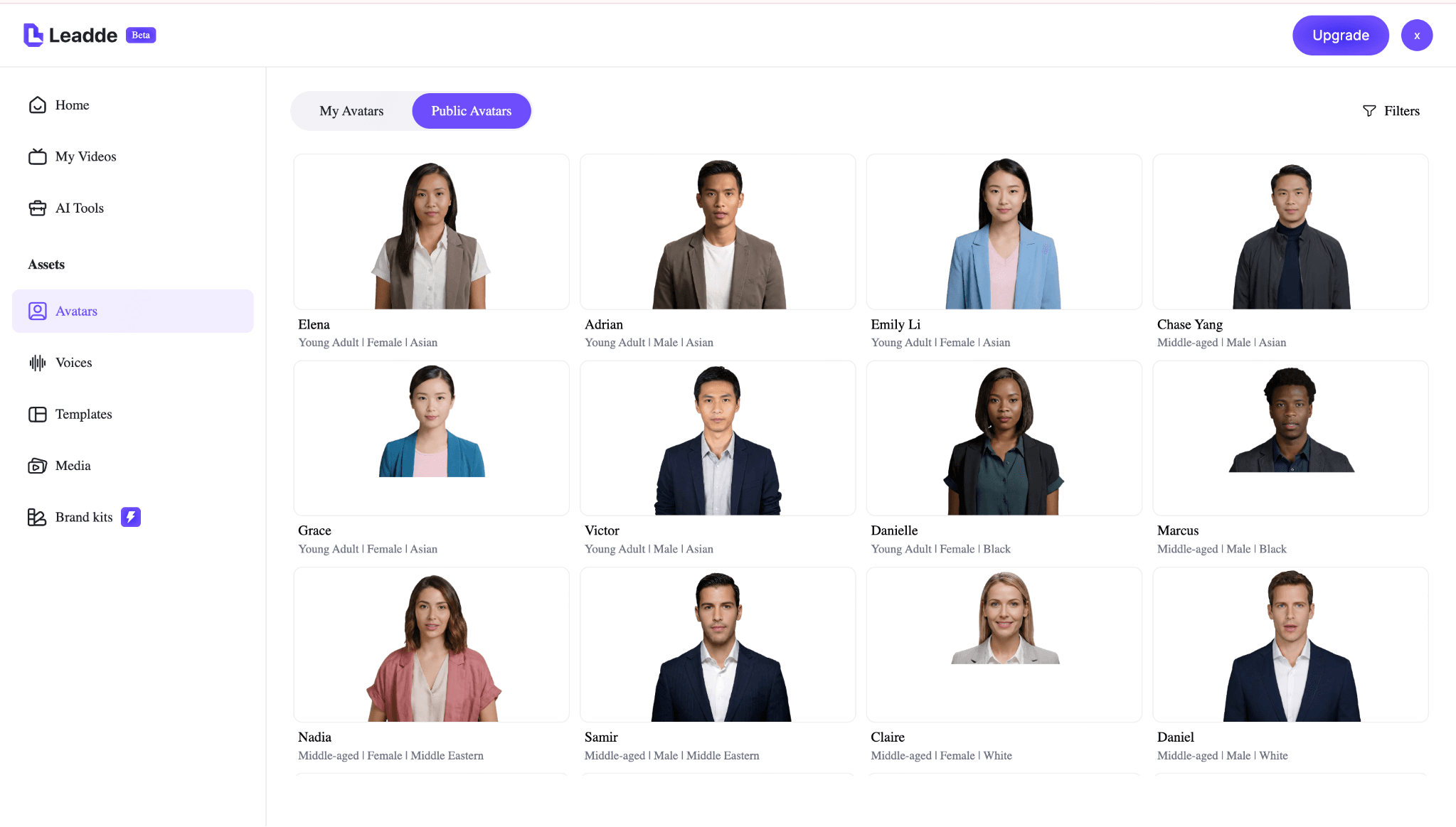
In practice, this type of workflow works well when AI avatars are selected from a public avatar library, allowing teams to choose different presenters depending on tone, region, or audience demographics—without needing to create a custom avatar each time.
2 Lead Nurturing & Re-engagement
AI avatars are also effective in lead nurturing and re-engagement campaigns. Many marketing funnels require repeated follow-ups that explain value, reinforce messaging, or guide prospects toward the next step.
Avatar-based videos can be embedded in email sequences, linked from landing pages, or used in retargeting campaigns. Because the content is generated from reusable scripts, teams can easily update messaging without recreating videos from scratch.
This makes AI avatars especially suitable for ongoing campaigns that evolve over time, such as onboarding sequences or product education flows.
3 Marketing Videos & Campaign Content (Practical Workflow)
One of the most common marketing uses for AI avatars is creating core marketing videos—including explainers, tutorials, and campaign content—without filming.
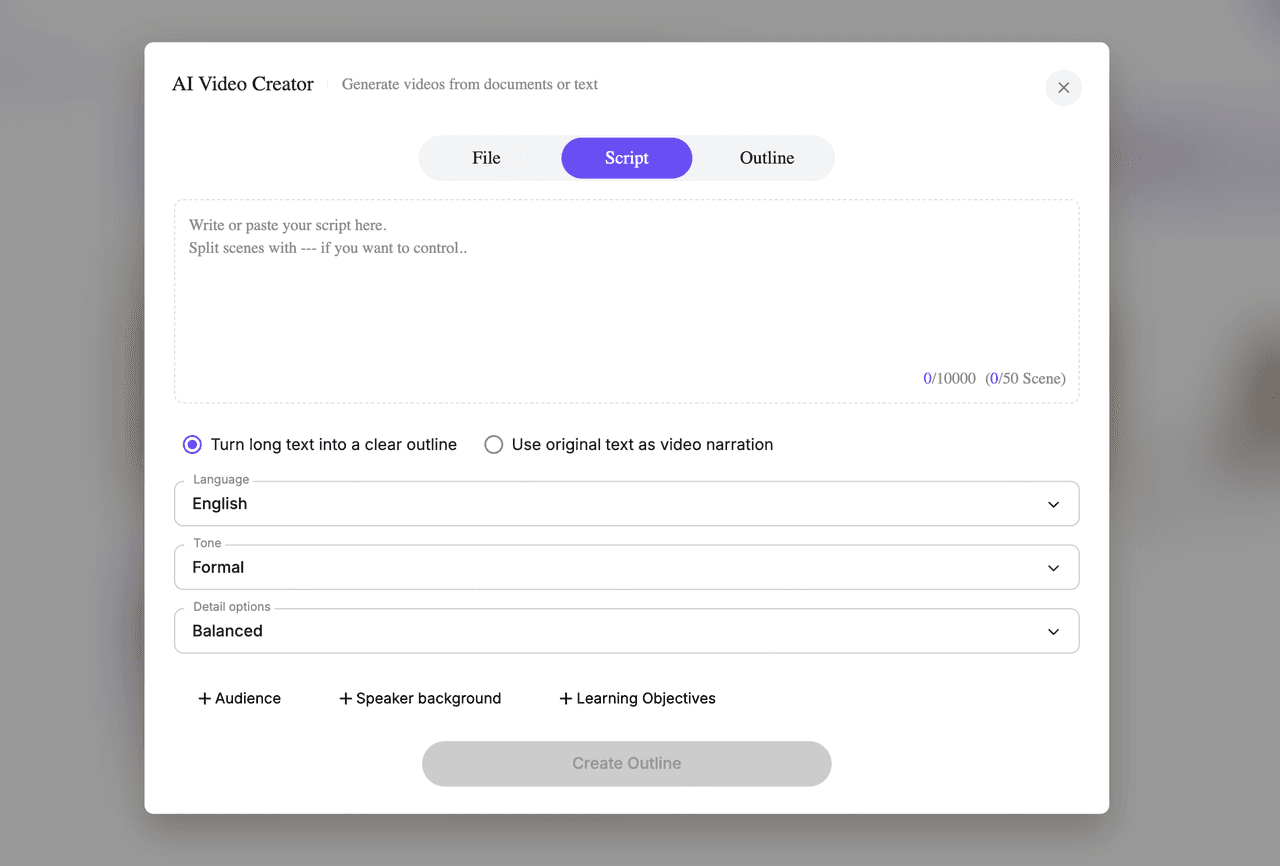
With AI video tools like Leadde, marketers typically follow a simple, repeatable workflow:
- Start with a short outline or bullet-point script
- Choose a presenter from a public AI avatar generator library
- Select a template aligned with brand style
- Generate and preview the video before publishing
This approach removes the need for cameras, lighting, or retakes. Teams can test multiple versions of the same message simply by switching avatars, visuals, or wording—making experimentation faster and more cost-effective.
4 Webinars, Explainer Videos & Tutorials
AI avatars are widely used to create explainer videos, tutorials, and educational content. These formats benefit from clear, consistent delivery, which avatar presenters provide naturally.
Marketing teams can reuse the same script structure while swapping avatars for different audiences or languages. This is especially useful for global campaigns, product launches, or help-center content where consistency matters.
5 Account-Based Marketing (ABM)
For account-based marketing, AI avatars enable semi-custom videos tailored to specific industries or target accounts. While the core message remains the same, small adjustments—such as examples or terminology—can be reflected in the script and presenter choice.
This approach allows ABM campaigns to feel personalized without the overhead of fully custom video production.
6 Internal Enablement & Marketing Support Content
Beyond external campaigns, AI avatars are increasingly used for internal marketing needs—such as onboarding new team members, training partners, or sharing internal updates.
These videos benefit from clarity and repeatability, making avatar presenters a natural fit.
Where AI Avatars Create the Most Impact Across the Marketing Funnel
AI avatars are most effective when applied strategically across the marketing funnel. Instead of using avatar videos randomly, high-performing teams align each use case with a specific funnel stage—ensuring the right message reaches the right audience at the right time.
Below is how AI avatars deliver the greatest impact at each stage of the funnel.
1 Awareness: AI Avatars as Brand Storytellers
At the awareness stage, AI avatars act as brand storytellers and digital spokespeople.
Rather than relying on one-off ads or static visuals, brands can use AI avatars to represent a consistent on-screen presence across videos. This gives audiences a recognizable “face” and voice that carries brand tone, values, and personality.
Key benefits at this stage include:
- Establishing a clear, humanized brand identity
- Delivering consistent messaging across campaigns and channels
- Creating memorable video content that feels more personal than traditional ads
Because avatar presenters can be reused and updated easily, brands can maintain a cohesive storytelling approach without repeatedly filming new content.
2 Consideration: Explainer & Talking-Head Videos at Scale
During the consideration stage, AI avatars are especially effective for explainer and talking-head videos.
Talking-head videos work because audiences trust faces. Seeing a presenter explain a product, feature, or solution helps build clarity and credibility. AI avatars enable this format without the logistical overhead of filming real presenters.
Common use cases include:
- Product explainers and feature walkthroughs
- Comparison and “how it works” videos
- Educational content that addresses common questions
With AI avatars, teams can update scripts, swap presenters, or refresh visuals quickly—making it easy to keep content accurate as products evolve.
3 Conversion & Retention: Personalized Video Messages
At the conversion and retention stages, AI avatars support personalized video communication at scale.
Here, the goal shifts from awareness to action. AI avatar videos can be tailored to different segments by dynamically adjusting messaging—such as referencing an industry, use case, or customer scenario—while keeping the same core structure.
Effective applications include:
- Personalized follow-up videos encouraging sign-ups or demos
- Onboarding and activation videos for new users
- Ongoing education and support content for retention
This approach allows brands to move from “one video for everyone” to scalable personalization, without the time and cost of recording custom videos individually.
Best Practices for Using AI Avatars in Marketing
To get real value from AI avatars, marketers should treat them as part of a broader marketing system—not just a video shortcut. The following best practices help ensure AI avatar videos remain effective, on-brand, and trustworthy.
Start with Low-Risk, High-Frequency Use Cases
AI avatars work best when applied to repeatable marketing scenarios.
Rather than using avatars for high-stakes brand moments at the beginning, teams should start with content that is:
- Frequently updated
- Structurally similar across campaigns
- Low risk if iterated or replaced
Examples include explainer videos, onboarding content, lead nurturing sequences, and internal marketing updates. These use cases allow teams to refine workflows, tone, and visual consistency before expanding into broader campaigns.
Maintain a Consistent Brand Persona and Tone
Consistency matters more than realism.
When using AI avatars, brands should define:
- Preferred avatar styles (professional, friendly, formal, casual)
- Voice tone and pacing
- Visual alignment with brand guidelines
Using a consistent set of avatars or presenter styles helps audiences recognize and trust the brand. Frequent switching without intention can dilute brand identity, even if the videos themselves are high quality.
Clearly Define Where AI Replaces — and Supports — Humans
AI avatars should support human marketers, not imitate them deceptively.
Best practice is to clearly separate:
- AI avatar videos for scalable, informational content
- Human-led videos for high-trust, emotional, or executive communication
This distinction prevents confusion and helps audiences understand when they are interacting with automated content versus real people. Transparency strengthens credibility, especially in B2B and educational contexts.
Prioritize Brand Safety and Transparency
Trust is critical when using AI-generated media.
Marketing teams should:
- Ensure avatar content follows brand and legal guidelines
- Avoid misleading representations or impersonation
- Clearly disclose AI-generated presenters when appropriate
Platforms and workflows that allow script review, previewing, and approval before publishing help reduce risk and maintain quality control across campaigns.
Measure, Test, and Refine Continuously
AI avatars enable faster iteration—use that advantage.
Instead of treating avatar videos as one-off assets, teams should:
- Test different scripts, presenters, and formats
- Monitor engagement, click-through, and retention metrics
- Refine messaging based on real performance data
This iterative approach is one of the biggest advantages AI avatars offer over traditional video production.
Measuring ROI of AI Avatars in Marketing
To evaluate the real impact of AI avatars in marketing, teams should focus on three core dimensions: engagement, conversion, and efficiency. Together, these metrics show not only how audiences respond, but also how AI avatars improve marketing performance and resource allocation.
Engagement: Are People Watching and Interacting?
Engagement metrics measure how audiences interact with AI avatar videos.
These indicators help answer whether the content is relevant, clear, and effective at holding attention.
Key engagement metrics include:
- Video view rate
- Average watch time or completion rate
- Click-through rate (CTR) on embedded links or CTAs
AI avatar videos often outperform static content in these areas because they introduce a human presence that guides attention and explains value more clearly.
Conversion: Do AI Avatar Videos Drive Action?
Conversion metrics connect AI avatar videos to business outcomes.
Rather than measuring views alone, marketing teams should track whether avatar-led videos influence downstream actions.
Common conversion indicators include:
- Demo requests or sign-ups
- Trial activations
- Leads added to pipeline
- Revenue attribution in sales-qualified leads
By embedding AI avatar videos into key touchpoints—such as landing pages, email sequences, or ABM campaigns—marketers can more accurately assess how video content contributes to pipeline growth.
Efficiency: How Much Time and Cost Is Saved?
Efficiency is one of the clearest ROI advantages of AI avatars.
Traditional video production often requires filming, editing, and coordination across multiple teams. AI avatars dramatically reduce this overhead by allowing videos to be generated, updated, and reused from scripts.
Efficiency metrics to track include:
- Time saved per video
- Reduction in production or agency costs
- Speed of content updates and iterations
- Volume of videos produced with the same resources
In many cases, teams are able to produce more video content in less time—without increasing budget—making AI avatars a scalable solution for ongoing marketing needs.
How to Evaluate ROI Holistically
The strongest ROI assessments combine all three dimensions:
- Engagement shows interest
- Conversion shows impact
- Efficiency shows scalability
When evaluated together, these metrics provide a complete picture of how AI avatars support marketing goals—from awareness to revenue.
Why Some AI Avatar Marketing Videos Fail to Convert
Most failures are blamed on the tool.
Usually, the tool is not the problem.
The problem happens upstream.
Failure #1: Weak Hooks
If the first 2 seconds fail, the ad is dead.
Most AI avatar videos fail because the opening is weak.
Not because the avatar looks artificial.
Failure #2: Generic Scripts
Many teams write scripts that sound like AI wrote them.
Because AI did.
They lack:
- specificity
- tension
- believable pain points
- real-world urgency
This destroys conversion.
Failure #3: Over-Polished Fake UGC
The more “perfect” it looks, the less people trust it.
High-performing UGC often feels imperfect.
Too polished creates resistance.
Failure #4: Obvious AI Voice
Synthetic pacing, unnatural pauses, and robotic emotional delivery trigger immediate distrust.
People recognize this instantly.
Failure #5: No Platform-Native Feel
TikTok content should not look like a webinar.
Reels should not feel like a corporate explainer.
Format mismatch kills performance.
AI Avatars for Top-of-Funnel vs Bottom-of-Funnel Marketing
Funnel placement determines success.
This is one of the most important strategic decisions.
Top-of-Funnel: Where AI Avatars Perform Best
At TOF, the job is:
- awareness
- attention
- education
- curiosity
- problem awareness
Not trust.
Not closing.
AI avatars are excellent here.
Especially for:
- paid social ads
- awareness campaigns
- short-form video testing
- audience education
This is their strongest use case.
Middle-of-Funnel: Use Carefully
MOF requires:
- clarity
- comparison
- authority
AI avatars can work here for:
- explainers
- webinars
- tutorials
- case walkthroughs
if the content feels credible.
Bottom-of-Funnel: High Risk Zone
BOF is where:
- trust
- authority
- emotional confidence
drive conversion.
This is where AI avatars are often weakest.
For:
- sales calls
- founder messaging
- executive authority
- premium offers
real humans usually outperform.
Should B2B Brands Use AI Avatars?
Yes—but with boundaries.
B2B does not reject AI avatars.
B2B rejects fake authority.
That distinction matters.
Where AI Avatars Work Well in B2B
Strong B2B use cases include:
- onboarding
- product explainers
- help center content
- customer education
- sales enablement
- internal training
- webinar follow-ups
These improve efficiency without damaging trust.
Where They Damage Trust
Bad use cases include:
- fake founder videos
- fake expert positioning
- synthetic executive messaging
- artificial testimonial-style content
These reduce authority immediately.
Trust cannot be automated.
Only supported.
Case Study: AI Avatars for Daily SaaS Content Production
A startup founder building consistent inbound growth used AI avatar videos as part of a daily content system.
Execution Framework
Daily publishing cadence:
- 2 slideshow posts per day
- 1 AI avatar video per day
- 3 meme posts per week
- executed continuously for 30 days
This created a predictable growth engine.
Before
Content production was inconsistent.
Publishing depended on available time and manual recording.
Consistency was the biggest problem.
After
AI avatars created repeatable production.
The founder could maintain daily output without filming every day.
Result
The value was not “better videos.”
It was sustainable publishing frequency.
Small teams can compete when content velocity becomes consistent.
That is one of the strongest practical advantages of AI avatars.
Case Study: Training Video Production Cost Reduced by 95%
An operations team replaced traditional recorded onboarding videos with AI avatar-based training content.
Before
The old workflow required:
- live recording
- repeated re-filming
- presenter scheduling
- expensive updates
- manual localization
This made updates painful and slow.
After
Scripts became the source of truth.
Once updated, training videos could be regenerated immediately across multiple languages.
Result
Production costs and update costs were reduced by approximately 95%.
This is where AI avatars often outperform traditional production most clearly:
internal repeatable systems.
Not public trust-heavy campaigns.
FAQs: AI Avatars in Marketing
What are AI avatars?
AI avatars are digital presenters powered by artificial intelligence that can deliver scripted video content without requiring real humans to be filmed.
They are commonly used in marketing videos, explainers, and tutorials to create human-like communication at scale. AI avatars can speak multiple languages, follow brand tone guidelines, and be reused across different campaigns and platforms.
How can AI avatars be used in marketing?
AI avatars can be used in marketing to create scalable video content for outreach, lead nurturing, campaigns, explainers, and personalized messaging.
Marketers use AI avatars to replace repetitive filming tasks while maintaining a human presence. Common applications include marketing videos, product demos, account-based marketing, and onboarding content.
Are AI avatars effective for marketing?
Yes, AI avatars can be effective for marketing when used in the right context.
They often improve engagement and efficiency compared to text or static content, especially in repeatable workflows. Effectiveness depends on clear messaging, consistent branding, and thoughtful placement within the marketing funnel.
Are AI avatars ethical to use in marketing?
AI avatars are ethical when used transparently and responsibly.
Best practices include avoiding impersonation, clearly disclosing AI-generated presenters when appropriate, and ensuring content accuracy. Ethical use builds trust and prevents confusion between automated content and real human communication.
What’s the difference between AI avatars and chatbots?
AI avatars and chatbots serve different roles in marketing.
AI avatars focus on visual, video-based communication, delivering scripted messages in a human-like format. Chatbots are typically text-based or conversational tools designed for real-time interaction and support. In many workflows, the two can complement each other rather than compete.
Conclusion: The Future of AI Avatars in Marketing
AI avatars represent a shift in how marketing teams create and deliver video content. They bring together three forces shaping modern marketing: scale, personalization, and video.
By removing the traditional barriers of filming and production, AI avatars allow marketers to scale video creation without sacrificing consistency. At the same time, they enable more personalized messaging—tailoring content to different audiences, funnel stages, and use cases—while maintaining a human presence.
As video continues to dominate digital channels, AI avatars will become an increasingly practical tool rather than a novelty. Brands that use them thoughtfully, align them with real marketing workflows, and measure performance clearly will be better positioned to communicate faster, more effectively, and more consistently.
The future of AI avatars in marketing isn’t about replacing people—it’s about giving teams the ability to do more with video, without slowing down.