
Can I Use AI Avatars for Commercial Purposes in 2026?

Yes, AI avatars can be used commercially—but with important considerations. The legality depends on the AI tool you choose, the data it was trained on, and the licensing policies it follows. Ethical AI platforms that compensate creators and provide clear commercial licenses allow businesses, marketers, and designers to safely integrate AI avatars into their projects. Understanding the rules and best practices ensures your AI avatars are both legal and effective for professional use.
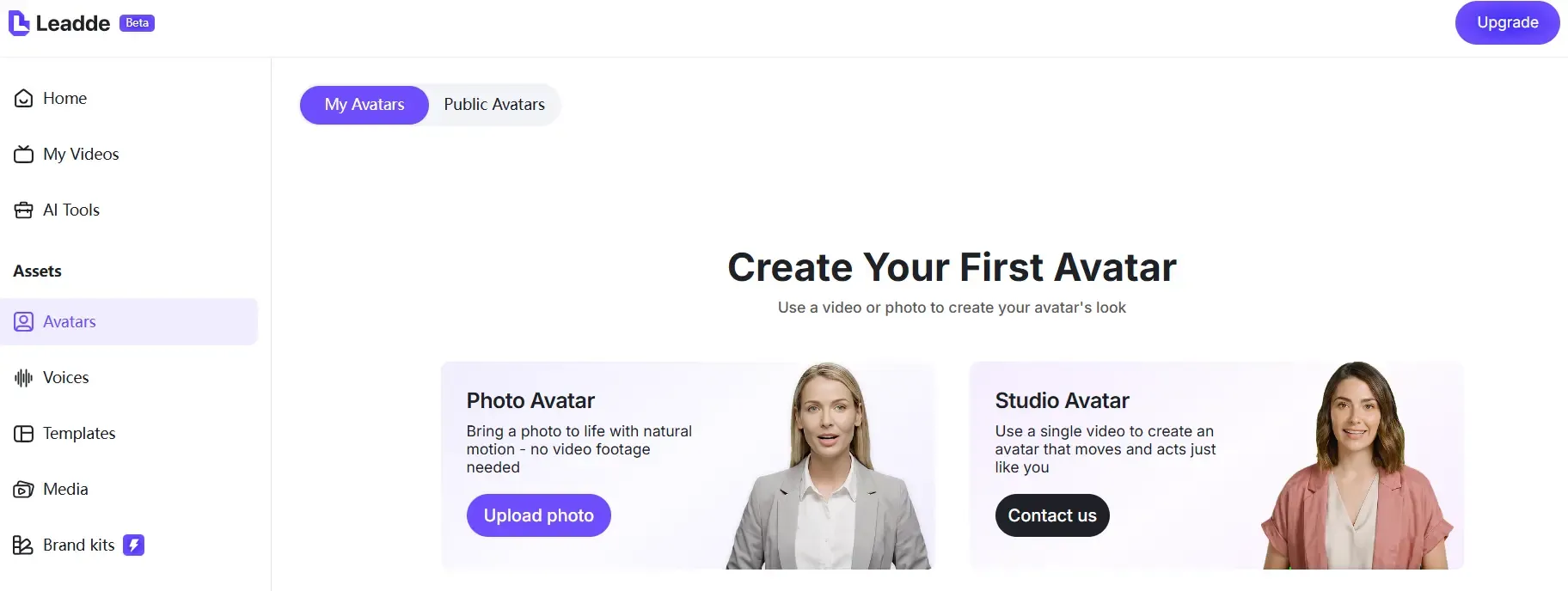
If you’re looking for a tool to create AI avatars quickly and safely for commercial projects, Leadde offers a reliable solution with intuitive features and clear licensing, making it easy for creators and businesses to get started.
What Are AI Avatars?
AI avatars are digitally generated characters created using generative AI technology. These avatars can range from realistic human-like faces to stylized illustrations, 3D models, or animated personas. Generative AI works by analyzing vast datasets of images and learning patterns, shapes, colors, and expressions, allowing it to create unique characters on demand.
AI avatars are not just static images—they can be dynamic, interactive, and personalized for applications like virtual assistants, gaming, social media, marketing, or educational platforms.
How AI Avatars Are Created
Creating AI avatars may seem as simple as typing a prompt, but the process involves complex machine learning. AI models are trained on millions of images, each paired with descriptions, allowing the system to understand visual elements and context.
For example, an AI model can learn what different facial expressions, hairstyles, or clothing styles look like. It can then generate new avatars that combine these elements in ways that have never existed before. This capability allows for endless customization and creative flexibility for commercial applications.
Modern AI platforms also enable:
- Text-to-image generation: Create a character based on descriptive prompts.
- 3D avatar creation: Produce models ready for animation or gaming.
- Animation and motion capture: Generate movements and expressions for avatars.
- Voice integration: Combine AI-generated voices with avatar expressions for interactive experiences.
Are AI Avatars Safe to Use Commercially?
The legality of using AI avatars commercially depends primarily on the platform’s licensing rules. Key factors include:
- Data sourcing: Did the AI model use licensed or ethically sourced data?
- Commercial license: Does the platform allow avatars to be used in ads, apps, websites, or products without additional permission?
- Compensation for creators: Are original artists compensated if their work contributed to training the AI?
Platforms that meet these criteria ensure you can legally use AI avatars in commercial projects without fear of infringement.
Can You Sell AI-Generated Avatars?
Yes, AI avatars can be monetized. Companies and creators are selling AI-generated avatars in various ways:
- Digital assets for games or apps
- Marketing and branding illustrations
- NFTs and digital collectibles
- Virtual influencers and social media characters
However, it’s crucial to check the platform’s terms. Selling avatars created on a free or restricted AI tool may violate licensing agreements if commercial rights aren’t included.
Best Practices for Using AI Avatars in Commercial Projects
To maximize both legality and creative potential:
- Choose ethical AI platforms: Use services that compensate artists and provide clear commercial rights.
- Document your usage: Keep records of AI-generated assets and licensing agreements.
- Customize avatars: Modify and combine generated elements to create distinct, unique characters.
- Avoid sensitive likenesses: Do not use AI to replicate real people without consent.
- Integrate responsibly: Ensure AI avatars align with your brand identity and messaging.
By following these practices, businesses can reduce legal risks while leveraging the speed and creativity of AI-generated avatars.
How AI Avatars Enhance Workflow and Creativity
AI avatars are not just legal tools—they improve efficiency and creativity:
- Rapid prototyping: Generate multiple design options quickly.
- Interactive storytelling: Enhance presentations, videos, or virtual experiences.
- Personalization at scale: Create avatars tailored for individual users or marketing segments.
- Collaboration: Teams can co-create visual assets without relying entirely on manual illustration.
The versatility of AI avatars allows them to fit into marketing campaigns, product development, and even educational platforms seamlessly.
Ethical Considerations When Using AI Avatars
While AI avatars can be commercialized, ethical considerations matter:
- Transparency: Be clear if avatars are AI-generated in campaigns.
- Representation: Avoid biased or stereotyped AI depictions.
- Respecting intellectual property: Ensure the AI platform compensates or licenses original works properly.
Prioritizing ethical AI usage protects your brand and promotes responsible adoption of new technologies.
Getting Started with AI Avatars
Experimenting with AI avatars is the simplest way to begin. Most AI avatar generators allow:
- Free trial or limited usage for testing
- Easy prompts for different styles, emotions, or poses
- Customization tools to tweak generated results
Start small, test avatars in your workflows, and gradually scale their use in projects while keeping licensing and ethics in mind.
Conclusion
AI avatars are legal for commercial use if generated on platforms that provide clear licenses and source data ethically. By understanding how AI avatars work, following licensing guidelines, and prioritizing ethical use, businesses and creators can harness their potential safely. From marketing and design to virtual influencers, AI avatars are becoming essential tools for innovation and creativity.