
What Is the Best Video Marketing Strategy for Small Businesses?
The best video marketing strategy for small businesses is to focus on clear goals, practical formats, and scalable production methods. Instead of chasing high-budget productions, small teams win by creating consistent, useful videos and using AI video creators to keep costs low while maintaining quality.
This approach makes video marketing sustainable, measurable, and effective even with limited resources.
Tools like Leadde support this strategy by helping small businesses turn scripts, documents, and ideas into polished marketing videos quickly, making consistent video production achievable without large teams or budgets.

What Is Video Marketing for Small Businesses?
Video marketing is the use of video content to promote a business, explain products or services, educate customers, or build trust with an audience.
For small businesses, video marketing is less about cinematic perfection and more about clarity, relevance, and consistency. Videos can support many objectives, including:
- Increasing brand awareness
- Explaining complex products or services
- Building credibility and trust
- Driving conversions and sales
- Educating existing customers
Small businesses across B2B, B2C, and service industries can all benefit when video is aligned with a clear strategy.
Why 2026 Is a Great Time to Start Video Marketing
Video marketing used to be expensive and difficult to scale. That is no longer the case.
Recent industry data shows that 62% of video marketers believe video production costs are staying the same or decreasing, while only 38% say costs are rising. At the same time, 82% of marketers report that video delivers a positive return on investment.
On the audience side, video demand keeps growing:
- 85% of consumers say a video has influenced their purchase decision
- 84% say they want to see more videos from brands
In 2026, the combination of lower production costs, higher audience demand, and AI-powered tools makes video marketing one of the most practical growth channels for small businesses.
5 Types of Video Content That Work for Small Businesses
Different goals require different video formats. Below are the most effective video content types for small businesses, with real-world use cases.
Explainer Videos for Clear Messaging

Explainer videos help people understand what your business does, how your product works, or why your service matters.
They are often short (30–90 seconds) and focus on a single problem and solution. Many small businesses use explainer videos on:
- Homepage hero sections
- Product landing pages
- Sales outreach
- Social media awareness campaigns
Animated explainers are especially effective for simplifying complex ideas and keeping attention.
Social Media Videos for Visibility and Engagement

Short-form social videos are designed to grab attention quickly.
These videos work best when they are:
- Under 60 seconds
- Visually clear without sound
- Focused on one message or benefit
Small businesses often use social videos to highlight tips, behind-the-scenes moments, product features, or customer questions.
Customer Testimonial Videos to Build Trust
Testimonial videos show real customers talking about real results.
They are powerful because they replace marketing claims with social proof. For small businesses, even simple testimonial videos recorded remotely can significantly improve trust and conversion rates when used on websites or in sales follow-ups.
Video Ads for Targeted Growth

Video ads allow small businesses to reach specific audiences on platforms like search, social, and video networks.
Short video ads work best when they:
- Address a specific pain point early
- Clearly explain the benefit
- Include a simple call to action
AI-generated video ads help reduce production time while allowing rapid testing of different messages.
Product Demo Videos to Drive Conversions
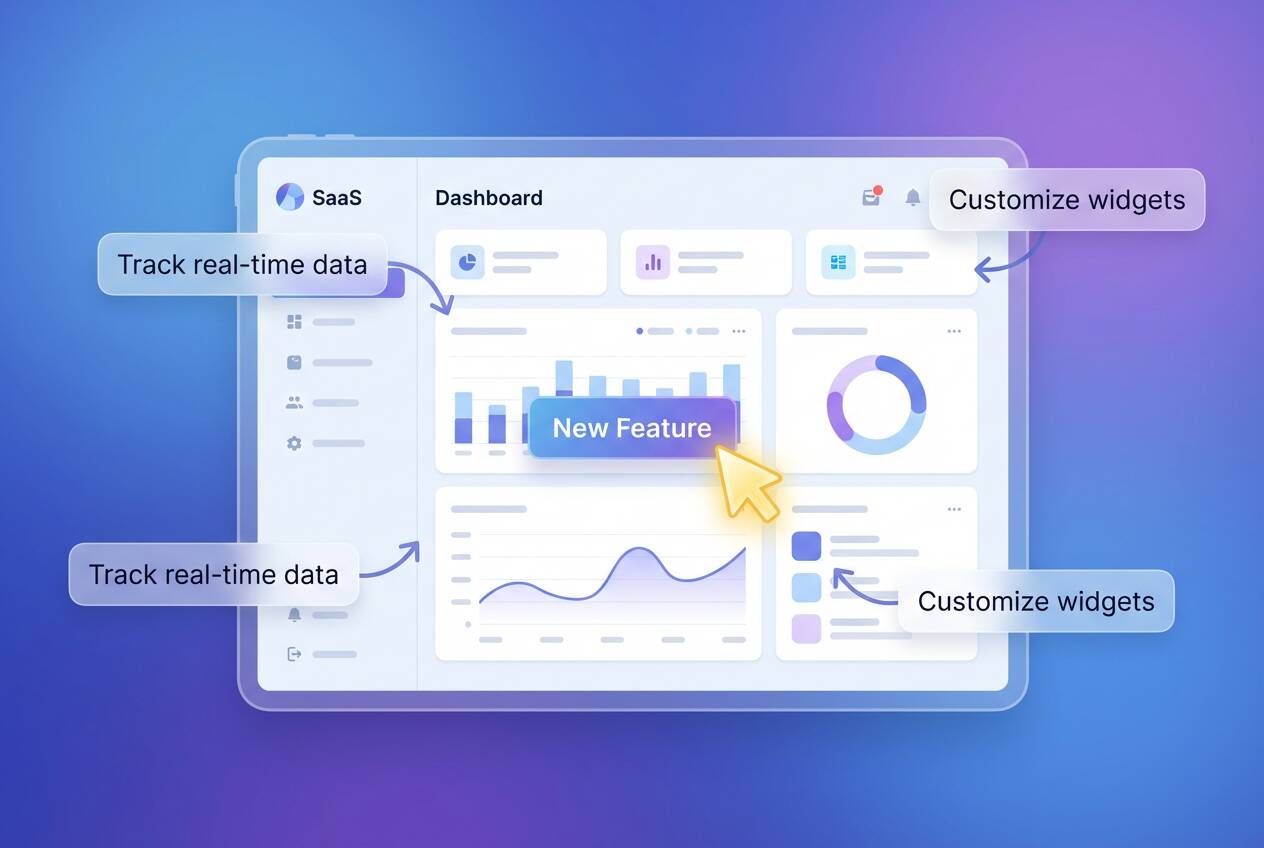
Product demo videos show how a product or service works in real time.
Screen-recorded demos are especially effective for:
- Software products
- Online tools
- Digital services
These videos reduce friction, answer common questions, and shorten the sales cycle.
Creating a Video Marketing Strategy for Small Businesses
A successful video strategy does not start with production. It starts with planning.
Define Clear Video Marketing Goals
Before creating any video, define what success looks like.
Common goals include:
- Brand awareness
- Lead generation
- Product education
- Customer retention
Each goal influences the type, length, and distribution of your videos.
Research Your Target Audience and Use Cases
Understanding your audience helps you decide:
- What questions your videos should answer
- Where the videos should be published
- How formal or casual the tone should be
Customer questions, sales calls, and support tickets are excellent sources of video ideas.
Make Your Video Using Scalable Tools
This is where many small businesses struggle, but AI video creators have changed the process.
Modern AI tools allow teams to:
- Turn scripts, documents, PDFs, and presentations into videos
- Auto-generate voiceovers and visuals
- Create multilingual videos without reshooting
- Update content without starting from scratch
Using an AI video creator as part of your strategy significantly lowers production costs while making video creation repeatable.
Promote Your Video Across Multiple Channels
Creating a video is only half the work.
Effective promotion includes:
- Publishing videos on your website
- Sharing clips on social media
- Including videos in email campaigns
- Using videos in sales and onboarding
One video can be reused in multiple formats to maximize reach.
Measure ROI and Optimize Performance
Track performance using metrics such as:
- Views and watch time
- Engagement and click-through rates
- Conversion impact
Analytics help identify which formats and topics deliver the strongest results, allowing you to refine your strategy over time.
10 Practical Video Marketing Tips for Small Businesses
Invest in Professional Structure, Not Expensive Gear
Clear messaging, good pacing, and clean visuals matter more than high-end equipment.
Start With the Script
A strong script makes production faster and results clearer.
Keep Videos Short and Focused
Short videos perform better and are easier to reuse.
Use Emotion to Connect
Stories, problems, and outcomes help viewers relate.
Don’t Be Afraid to Stand Out
Clear opinions and unique angles attract attention.
Use Multiple Distribution Channels
One video should live in more than one place.
Track Results Consistently
Measure what matters to your goals.
Create Video Series, Not One-Offs
Consistency builds trust and authority.
Encourage User-Generated Content
Customer-created videos add authenticity.
Optimize Videos for SEO
Titles, descriptions, and transcripts help videos rank in search.
Final Thoughts on Video Marketing Strategy for Small Businesses
The best video marketing strategy for small businesses is not about doing everything. It is about doing the right things consistently.
By focusing on practical video formats, clear goals, and AI-powered creation tools, small teams can produce high-quality videos that scale without overwhelming budgets or resources.
Video marketing in 2026 is no longer a luxury. It is one of the most accessible and effective growth strategies available to small businesses today.