
What Is Video Marketing and Why It’s So Powerful for Modern Brands

Video marketing is the use of video to promote a brand, product, or service by engaging audiences emotionally, increasing understanding, and driving action more effectively than text or static media.
For modern brands competing in crowded digital spaces, video works because it captures attention fast, explains complex ideas clearly, and builds trust at scale across channels.
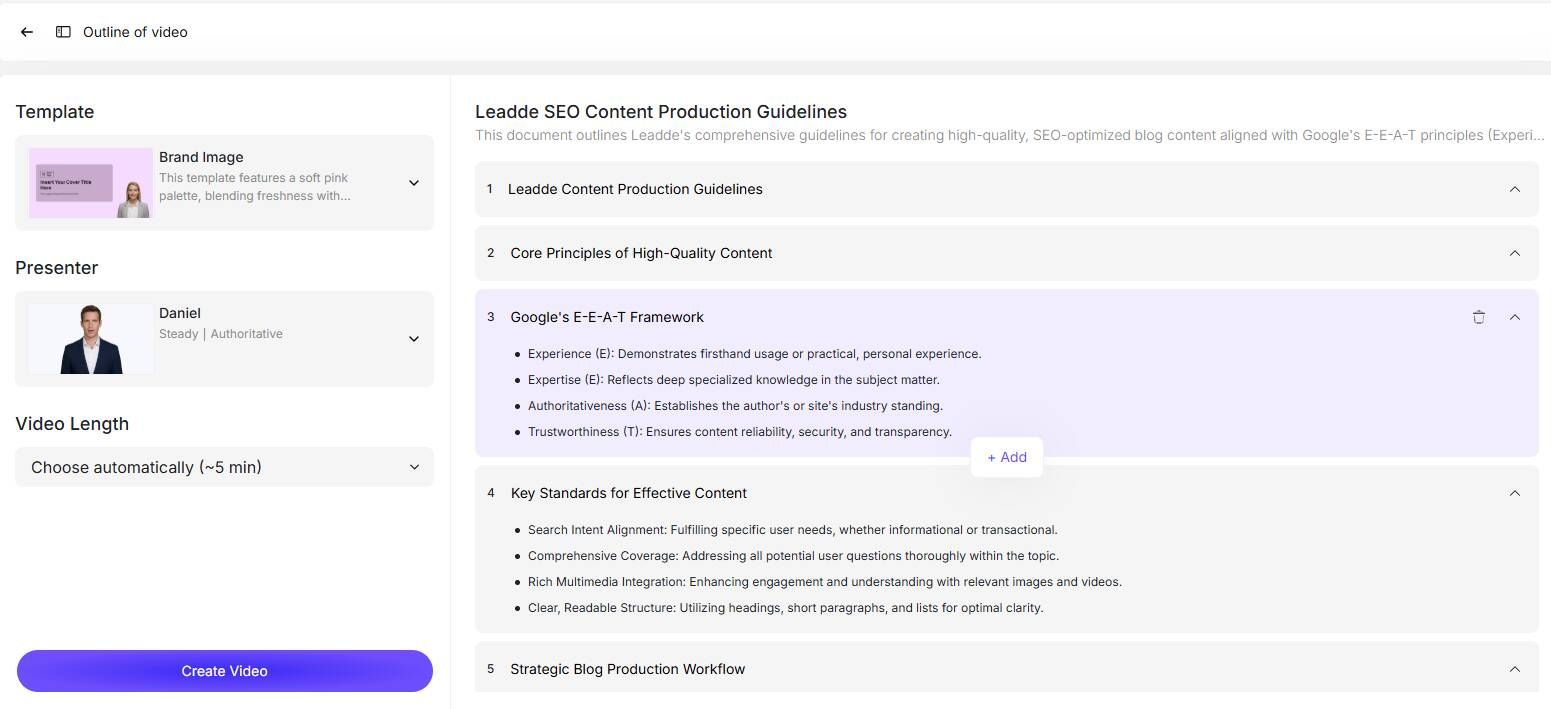
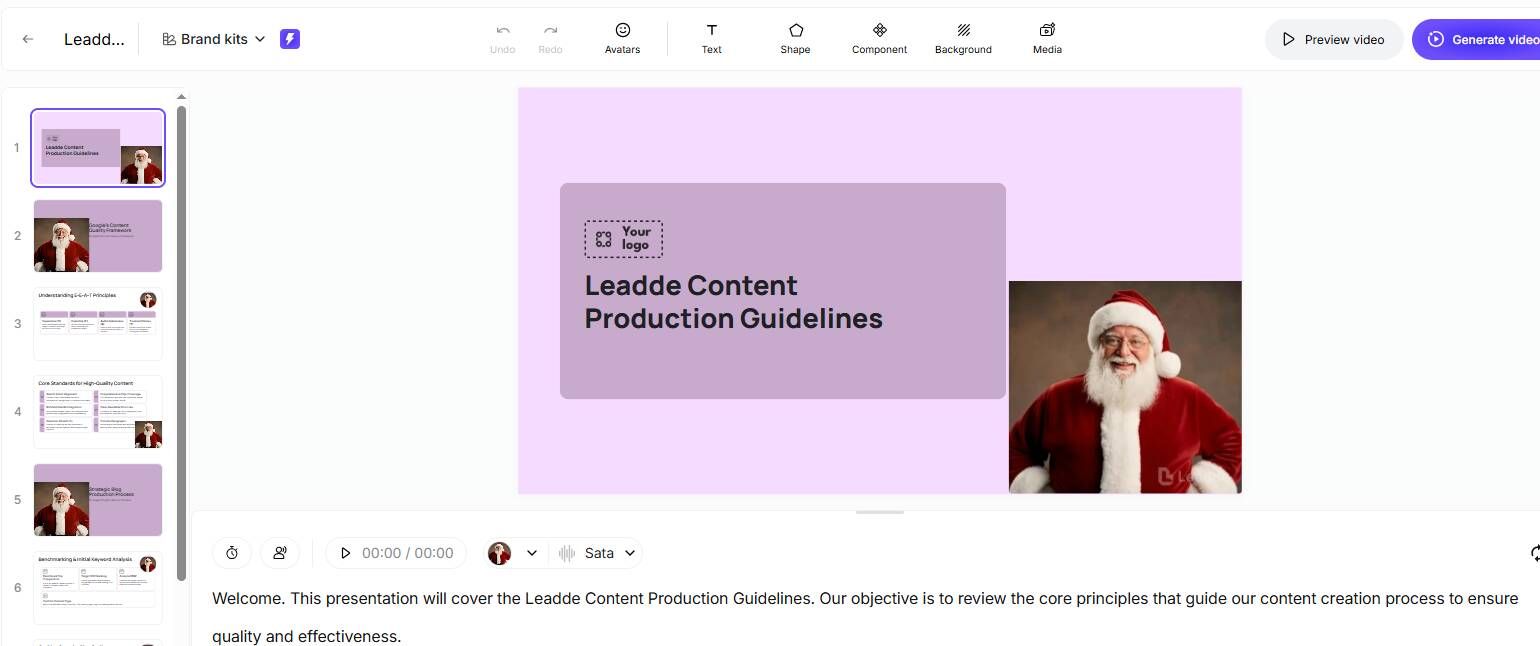
For teams that want to turn documents and knowledge into professional videos at scale, platforms like Leadde make it possible to create multilingual, interactive business videos in minutes without traditional production overhead.

What Is Video Marketing? A Clear Definition for Modern Brands
Video marketing refers to using video content to attract, engage, and convert an audience throughout the customer journey. This includes everything from short social clips and explainers to training videos, onboarding content, and product walkthroughs.
Unlike text, video combines visuals, motion, and sound. This makes it easier for viewers to process information and remember it. In practice, brands use video not just to sell, but to educate, onboard, train, and build long-term relationships.
Types of Video Marketing That Brands Use Today
There is no single format that defines video marketing. Common types include:
- Explainer videos that break down products, services, or processes
- Training and onboarding videos used internally or for customers
- Short-form social videos designed to stop scrolling and spark interest
- Live videos for launches, announcements, or Q&A sessions
- Sponsored and branded videos that integrate messaging into content
- Product walkthroughs and demos that reduce friction before purchase
In real use cases, many teams combine multiple formats to support different stages of the funnel.
Why Video Marketing Is Important in a Short-Attention World
Video marketing matters because it aligns with how people consume information today. On social platforms, users often decide whether to stop scrolling in less than a second. Motion naturally attracts attention faster than text or images.
From campaign data across industries, video consistently shows higher recall rates than written content. Viewers tend to remember what they see and hear together, which is why video is especially effective for brand awareness, education, and persuasion.
Just as important, video creates emotional connection. Emotion drives decisions, and decisions drive conversions.
How to Use Video Marketing Effectively for Real Results
Effective video marketing starts with volume, relevance, and distribution. Brands that succeed do not rely on a single “perfect” video. They create enough content to test, learn, and optimize.
Teams often increase output by:
- Repurposing existing documents into video
- Using animation or visual storytelling instead of live actors
- Structuring content clearly so viewers can follow without effort
Distribution matters just as much as creation. A strong video strategy includes clear plans for where content will live, how it will be promoted, and who it is meant to reach.
How to Use Video Marketing for SEO and Discoverability
Video supports SEO in indirect but measurable ways. Users who watch a video are more likely to search for the brand afterward, increasing branded search volume and credibility.
Pages that include relevant video often see:
- Longer time on page
- Higher engagement signals
- Better alignment with search intent
To maximize SEO value, videos should be paired with clear titles, descriptions, structured content, and transcripts. Video works best when it complements written content rather than replacing it.
Benefits of Video Marketing for Brands and Teams
The biggest advantage of video marketing is emotional impact. People remember videos more easily than ads they read or banners they scroll past.
Additional benefits include:
- Faster explanation of complex ideas
- Higher engagement across devices
- Stronger trust and perceived authority
- Better performance in global and multilingual contexts
In internal use, video also reduces repetition by standardizing training and communication.
Disadvantages and Risks of Video Marketing to Consider
Video marketing is powerful, but not risk-free.
One limitation is that messages unfold over time. If a viewer loses interest early, they may miss the core point. This makes clarity and pacing critical.
Context also matters. Where a video appears can influence how a brand is perceived. Poor placement or unsafe content environments can harm trust, just as with other digital ads.
What Types of Businesses Should Use Video Marketing?
Video marketing works across industries. From startups to global enterprises, nearly every organization benefits from visual communication.
Businesses commonly using video include:
- SaaS and technology companies
- Education and training providers
- Healthcare and professional services
- Finance, compliance, and operations teams
- Ecommerce and product-driven brands
As tools improve, barriers to entry continue to drop, making video accessible to more teams.
How to Develop a Video Marketing Strategy That Works
A strong video marketing strategy is built on goals, data, and audience understanding.
1. Understand Emotion and Metrics
Decide what viewers should feel and do after watching. Pair emotional intent with measurable outcomes such as completion rates, clicks, or conversions. These choices shape both messaging and format.
2. Note the Sales Funnel
Different stages require different messages.
Early-stage audiences respond better to emotional, high-level stories.
Mid-funnel viewers want clarity and answers.
Existing customers benefit from reassurance, updates, and reinforcement.
3. Determine Placement
Think carefully about where videos will appear. Broad awareness content works well in high-reach environments. Conversion-focused videos require more precise targeting and retargeting.
4. Consider Context
Context shapes perception. A video shown next to relevant, high-quality content feels intentional and trustworthy. Poor context can dilute even the strongest message.
How Video Marketing Will Change in the Future
Video marketing is evolving toward personalization, privacy, and adaptability.
The End of Cookies
As third-party cookies disappear, brands will rely more on direct data relationships and platform-level targeting. This pushes marketers to focus on relevance rather than volume.
Dynamic Video
Dynamic video allows elements like text, scenes, or offers to change based on viewer behavior or preferences. This improves relevance without creating entirely new videos.
Splicing and Editing for Personas
Teams increasingly create modular video assets. Different scenes are combined for different audiences, such as families, professionals, or first-time buyers, using the same base footage.
Post-Production Tailoring
Advanced editing enables brands to swap products, visuals, or messaging after filming. This allows one video to serve multiple segments without reshooting.
People Also View
As platforms improve recommendations, videos are more likely to be discovered through related content rather than direct searches. This increases the importance of clarity, structure, and viewer satisfaction.
How Modern Video Platforms Support Business Growth
Today’s AI-powered video tools help teams turn documents, presentations, and knowledge into structured video content quickly. This reduces production time, improves consistency, and makes video scalable for training, onboarding, and communication.
For businesses focused on efficiency and quality, video is no longer a nice-to-have. It is a core communication layer.
FAQ
Why Is Video Marketing So Effective?
Because it combines emotion, visuals, and sound, video captures attention quickly and improves memory. It aligns with how people naturally process information.
Why Video Marketing Is So Powerful for Modern Brands
Modern brands compete for attention, not just traffic. Video cuts through noise, explains faster, builds trust, and works across platforms, languages, and stages of the customer journey.