
Corporate Video Production Costs: A Complete Pricing Guide (2026)

Corporate videos are most effective when they are built for clarity, consistency, and scale—whether for internal communication, employee training, or customer-facing education. In practice, production costs vary widely depending on how videos are planned, produced, and updated over time.
This guide breaks down corporate video production costs and the factors behind them, helping businesses choose the right production approach. With an AI video creation tool like Leadde, teams can turn existing scripts, slides, or documents into structured corporate videos in minutes—reducing cost while keeping content easy to update and scale.

How Much Does Corporate Video Production Cost?
Corporate video production costs vary widely depending on the production approach, team structure, and long-term usage needs. In practice, most corporate video projects fall into one of four common models: working with a production company, building an in-house team, hiring freelancers, or using video production software and AI tools.
Below is a practical breakdown of each option, including typical cost ranges and the types of projects they are best suited for.
Working with a Video Production Company
Hiring a full-service video production company is often the most expensive option, but it delivers the highest level of polish and creative control.
Typical cost range:
- $5,000–$50,000+ per video
- Large brand campaigns or broadcast-quality projects can exceed this range
What’s included:
- Strategy, scripting, and creative direction
- Professional crew, equipment, and locations
- High-end editing, animation, and post-production
Best for:
- Brand films and corporate overview videos
- High-stakes executive or investor content
- Marketing campaigns where visual quality is a top priority
This approach works well when quality and production value outweigh concerns around cost, speed, or frequent updates.
Building an In-House Video Team
Some organizations choose to invest in an internal video team to support ongoing content production.
Typical cost range:
- $80,000–$150,000+ per year per role
- Additional ongoing costs for cameras, lighting, audio gear, and software
What to consider:
- Salaries, benefits, and long-term equipment maintenance
- Slower scalability when content demand spikes
- Limited flexibility if video needs change over time
Best for:
- Large organizations producing video content continuously
- Teams with stable, predictable video workflows
- Companies that prefer full control over production internally
While in-house teams reduce per-video costs over time, the upfront investment is significant and not always efficient for smaller or distributed teams.
Hiring Freelancers
Freelancers offer flexibility and lower upfront costs compared to agencies, but they introduce new management challenges.
Typical cost range:
- $50–$150 per hour depending on role and experience
- Costs increase with coordination across multiple freelancers
Pros:
- Flexible hiring based on project needs
- Lower cost than full production companies
Cons:
- Requires managing multiple contributors
- Quality and availability can vary
- Less repeatability for standardized corporate videos
Best for:
- One-off or small corporate video projects
- Teams with production experience who can manage contractors
- Projects with limited scope and timeline
Using Video Production Software and AI Tools
Video production software, including AI-powered tools, offers a more scalable and cost-effective alternative to traditional production models.
Typical cost range:
- Subscription-based pricing, often $20–$100 per month
- Significantly lower marginal cost per additional video
Key advantages:
- No filming crews, locations, or equipment
- Faster production and easier updates
- Consistent formatting and branding across videos
Best for:
- Corporate training and onboarding videos
- Internal communication and knowledge sharing
- Product education and explainer content that needs frequent updates
This approach is especially effective for organizations that prioritize speed, consistency, and scalability over cinematic production value—making it increasingly popular for corporate and internal video workflows.
Key Factors That Influence Corporate Video Production Costs
Corporate video production costs aren’t determined by a single variable. Instead, pricing is shaped by a combination of creative, technical, and logistical decisions made throughout the production process. Two corporate videos of similar length can end up with very different budgets depending on how they are planned, produced, and delivered.
Below are the key factors that most significantly influence corporate video production costs. Understanding these variables helps companies make informed trade-offs rather than focusing on price alone.
Production Method
The production method sets the baseline for cost. Traditional live-action production typically requires crews, equipment, and locations, while digital or AI-based workflows reduce many of these requirements. The more people and physical resources involved, the higher the overall cost tends to be.
Video Length
While video length isn’t always a linear cost driver, longer videos usually require more planning, filming, and editing time. Shorter videos often benefit from tighter scope and faster turnaround, while longer corporate videos introduce additional complexity across every production stage.
Filming Days
Each additional filming day increases costs across multiple areas, including crew time, equipment rental, and location fees. Projects that require multiple shoot days or reshoots typically see costs rise quickly, even if the final video length remains relatively short.
Team Size and Roles
The number of people involved—and their specific roles—has a direct impact on budget. Projects that require directors, producers, camera operators, sound engineers, and assistants naturally cost more than leaner setups. Larger teams also introduce additional coordination and scheduling considerations.
Equipment and Setup
Production quality often correlates with the type of equipment used. Advanced cameras, lighting setups, audio gear, teleprompters, and specialty rigs improve results but add to overall costs. More complex setups also increase preparation and breakdown time.
Animation and Motion Graphics
Animation and motion graphics can significantly enhance corporate videos, but they also increase production complexity. Custom visuals, transitions, and branded graphics require specialized expertise and additional production time, particularly when used extensively.
Post-Production Complexity
Editing, color correction, sound design, revisions, and versioning all fall under post-production. Videos with multiple review cycles, layered visual elements, or detailed audio work tend to require more time and resources, raising final costs.
Locations and Logistics
Filming in studios, offices, or external locations introduces logistical considerations such as permits, travel, setup time, and coordination. Projects involving multiple locations or on-site production often see higher costs than fully remote or digital workflows.
Talent and Voice-Over
Professional on-camera talent, presenters, actors, or voice-over artists add to production costs. Budget considerations may also vary depending on licensing, usage duration, or whether talent needs to be available for future updates or localization.
Distribution and Localization
How and where a corporate video is distributed also affects cost. Preparing videos for different platforms, adding subtitles, creating multilingual versions, or adapting formats for internal systems requires additional production and post-production work.
Corporate Video Production Costs by Style
Corporate video production costs also vary significantly based on the style of video being produced. Different styles require different levels of planning, resources, and post-production work, which directly affects budget.
Below is a breakdown of the most common corporate video styles, along with typical cost ranges and the scenarios where each style works best.
Live-Action Corporate Videos
Typical cost range:
- $5,000–$50,000+ per video
Description: Live-action corporate videos are filmed with real people, real locations, and professional crews. They often involve on-camera presenters, employees, executives, or actors.
Best for:
- Brand and company overview videos
- Executive messaging and leadership communications
- High-visibility marketing and recruitment content
This style delivers strong authenticity and visual impact but comes with higher costs due to filming logistics, crew size, and equipment requirements.
Screen-Based & Digital Videos
Typical cost range:
- $500–$5,000 per video
- Lower ongoing cost for updates and new versions
Description: These videos focus on screen recordings, slide-based visuals, digital assets, or AI-generated presenters rather than physical filming. Production is often done remotely.
Best for:
- Internal communications and updates
- Product walkthroughs and software demos
- Corporate training and onboarding content
This style offers speed, consistency, and scalability, making it a cost-effective option for many corporate use cases.
2D Animation
Typical cost range:
- $3,000–$20,000+ per video
Description: 2D animated videos use illustrated visuals to explain concepts, processes, or stories without live filming. Costs vary based on animation complexity and level of customization.
Best for:
- Explainer videos for complex topics
- Process overviews and system explanations
- Brand storytelling with abstract or conceptual themes
Animation removes filming constraints but can become costly when extensive customization or long runtimes are required.
Motion Graphics
Typical cost range:
- $1,000–$10,000+ per video
Description: Motion graphics focus on animated text, icons, charts, and visual elements, often layered on top of existing footage or slides.
Best for:
- Corporate presentations and reports
- Data-driven storytelling
- Enhancing otherwise static corporate content
Motion graphics strike a balance between clarity and cost, offering visual polish without full animation or live-action production.
Presentation / Slideshow Videos
Typical cost range:
- $300–$3,000 per video
Description: Presentation-style videos transform existing slides or documents into narrated video content, sometimes with simple transitions or visual emphasis.
Best for:
- Internal announcements and updates
- Compliance, policy, or procedural training
- Knowledge sharing and documentation
This is one of the most budget-friendly corporate video styles and works best when speed and clarity matter more than cinematic quality.
Corporate Video Production Costs by Business Use Case
Corporate video production costs also vary based on how the video is used inside an organization. Different business use cases place different demands on production quality, scalability, frequency of updates, and distribution—each of which affects overall cost.
Below are the most common corporate video use cases, along with typical cost ranges and when each approach makes sense.
Brand & Company Overview Videos
Typical cost range:
- $5,000–$50,000+
Use case: Brand and company overview videos introduce an organization’s mission, values, culture, and positioning. These are often high-visibility corporate videos used on websites, sales decks, investor presentations, and recruitment pages.
Why costs vary:
- Higher expectations for production quality
- On-camera talent or executives
- Polished visuals, storytelling, and post-production
These corporate videos tend to justify higher budgets because they represent the company publicly over a long period of time.
Corporate Training Videos
Typical cost range:
- $1,000–$10,000 per video
- Lower per-video cost when produced at scale
Use case: Corporate training videos are used for onboarding, compliance, process education, and skill development across teams.
Why costs vary:
- Volume of content required
- Need for clarity, consistency, and repeatability
- Ongoing updates as processes change
Training-focused corporate video production often prioritizes scalability and ease of updates over cinematic quality, making cost efficiency a key consideration.
Internal Communication Videos
Typical cost range:
- $500–$5,000 per video
Use case: Internal corporate videos support leadership updates, organizational announcements, change management, and internal alignment.
Why costs vary:
- Simpler visual requirements
- Shorter turnaround times
- Limited need for external-facing polish
These videos are typically designed for speed and clarity rather than long-term brand storytelling.
Product & Explainer Videos
Typical cost range:
- $2,000–$20,000+ per video
Use case: Product and explainer videos help employees, partners, or customers understand offerings, workflows, or technical concepts.
Why costs vary:
- Animation or motion graphics requirements
- Screen-based or hybrid production styles
- Frequency of product updates
For many organizations, these corporate videos benefit from formats that are easy to revise as products evolve.
Marketing & Campaign Videos
Typical cost range:
- $10,000–$100,000+
Use case: Marketing-focused corporate videos support campaigns, launches, and demand-generation efforts across paid and organic channels.
Why costs vary:
- Creative concept development
- Higher production value expectations
- Multi-platform delivery and performance optimization
These projects often require larger budgets but are tied directly to revenue or brand growth objectives.
Key Benefits of Using AI for Corporate Video Production
AI-driven video production is changing how organizations create and manage corporate video content. Rather than replacing traditional video production entirely, AI tools offer a complementary approach that addresses many of the cost, speed, and scalability challenges businesses face.
Below are the key benefits of using AI for corporate video production, especially for internal, training, and repeatable content.
Lower Production and Update Costs
AI-based video production significantly reduces the cost of creating and maintaining corporate videos. By eliminating the need for physical filming, large crews, and repeated reshoots, organizations can produce videos at a fraction of the traditional cost. Updates are also easier—revisions often require editing content rather than re-recording footage.
Faster Creation and Iteration
Traditional video workflows can take weeks from planning to delivery. AI-powered approaches shorten this timeline dramatically, allowing teams to create, review, and revise corporate videos within hours or days. This speed makes it easier to keep internal communications and training content up to date.
Easier Scalability for Teams
As organizations grow, so does the demand for video content. AI enables teams to scale corporate video production without scaling headcount or budgets at the same rate. The same workflows can be reused across departments, regions, and projects, supporting high-volume content creation.
Built-In Multilingual Support
Many businesses operate across regions and languages. AI-driven video production simplifies localization by enabling multilingual versions of the same corporate video without duplicating production efforts. Subtitles, voiceovers, and language variants can be created more efficiently than with traditional methods.
Consistent Branding and Presentation
AI tools help maintain consistency across corporate videos by standardizing visual style, structure, and delivery. This consistency is especially valuable for internal communications and training, where clear and uniform messaging improves comprehension and professionalism.
No Need for On-Camera Talent
AI-based production reduces reliance on presenters, actors, or executives appearing on camera. This lowers scheduling challenges and removes barriers for teams uncomfortable with filming, while still enabling professional, presenter-led corporate video content.
How Companies Can Plan Corporate Video Budgets More Effectively
Planning corporate video budgets effectively requires more than estimating production costs. The most efficient teams start by aligning video production decisions with business goals, content lifespan, and update frequency—rather than treating every video as a standalone project.
Start with the Business Goal, Not the Video Format
Before allocating budget, companies should first clarify the purpose of the corporate video. Is the goal to onboard new employees, explain a recurring process, support internal communication, or launch a high-visibility campaign?
Clear objectives help determine the appropriate production level. Videos designed for long-term external use may justify higher investment, while internal training and knowledge-sharing content often benefit from faster, more flexible approaches.
Use Scripts and Structure to Control Production Costs
A well-defined script is one of the most effective ways to control corporate video production costs. By clarifying the audience, learning objective, and key steps upfront, teams avoid unnecessary revisions, reshoots, or overproduction.
Many organizations now use AI to accelerate this phase—turning existing documents, presentations, or outlines into structured video scripts before any production begins. This approach ensures content remains concise, focused, and aligned with business needs.
Turn Existing Materials into Scalable Corporate Videos
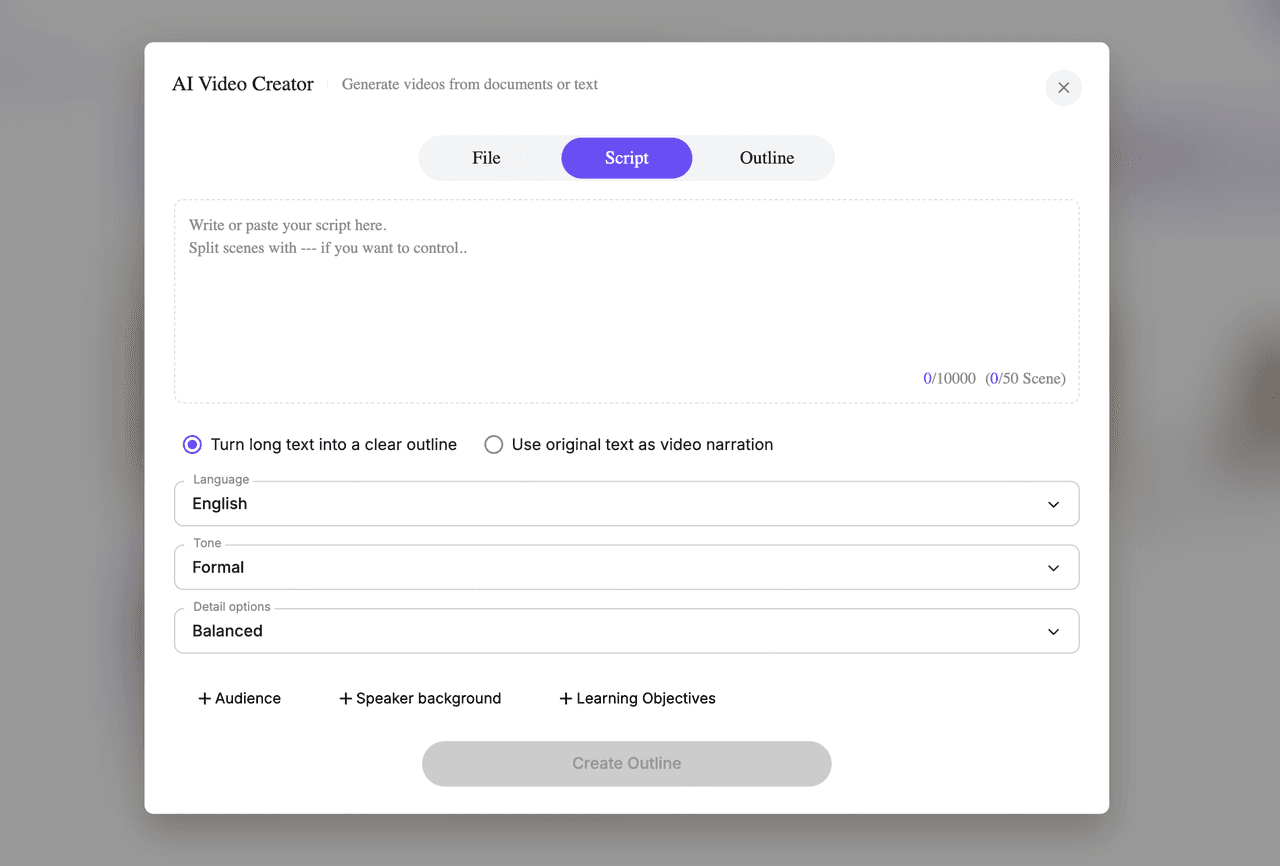
Instead of budgeting for filming every update, companies can reduce costs by reusing existing assets such as SOPs, slide decks, or internal documentation. These materials can be converted into structured corporate videos using AI-based workflows, allowing teams to produce presenter-led content without crews, studios, or complex setups.
For example, with an AI video creation tool like Leadde, teams can transform scripts or training materials into modular videos that are easy to update, localize, and reuse—significantly lowering long-term production costs.
Plan for Iteration and Updates from Day One
One of the biggest hidden costs in corporate video production is updates. Processes change, products evolve, and messaging needs refinement. Choosing a workflow that supports previewing, reviewing, and regenerating content helps teams avoid repeated production cycles.
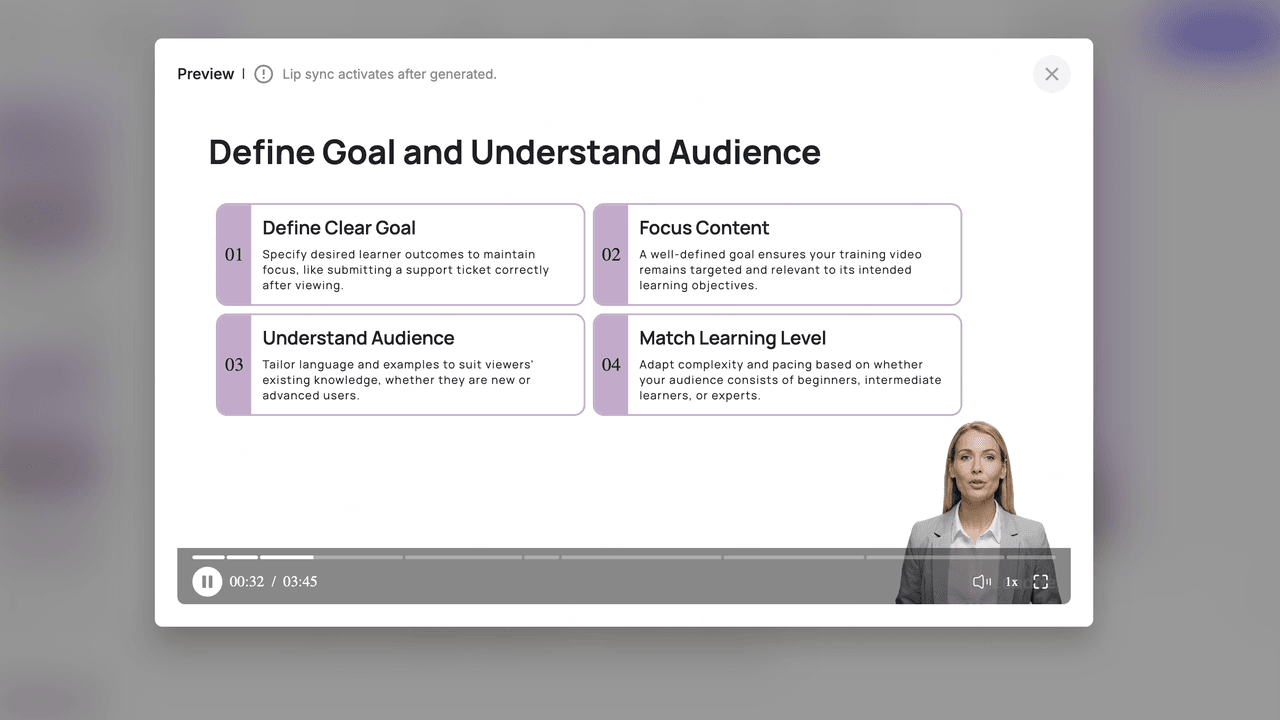
By prioritizing workflows that allow quick previews and text-based revisions, companies can keep corporate video budgets predictable while maintaining accuracy and consistency over time.
Adopt a Hybrid Model Based on ROI
The most cost-effective corporate video strategies often combine approaches. High-impact brand or campaign videos may still rely on traditional production, while internal training, onboarding, and process videos are produced using AI-based workflows.
This hybrid model ensures budgets are allocated where they deliver the most value—balancing quality, speed, scalability, and long-term cost control.
Conclusion
There is no single, fixed answer to corporate video production costs. What organizations pay ultimately depends on how videos are produced, how often they need to be updated, and the role they play in achieving business goals.
In practice, choosing the right production approach matters more than increasing the budget. As AI continues to reshape corporate video production, companies now have more flexible ways to balance cost, speed, and scalability—making it easier to create long-term value from corporate video content.