
How to Make Employee Training Videos Quickly (2026 Guide)

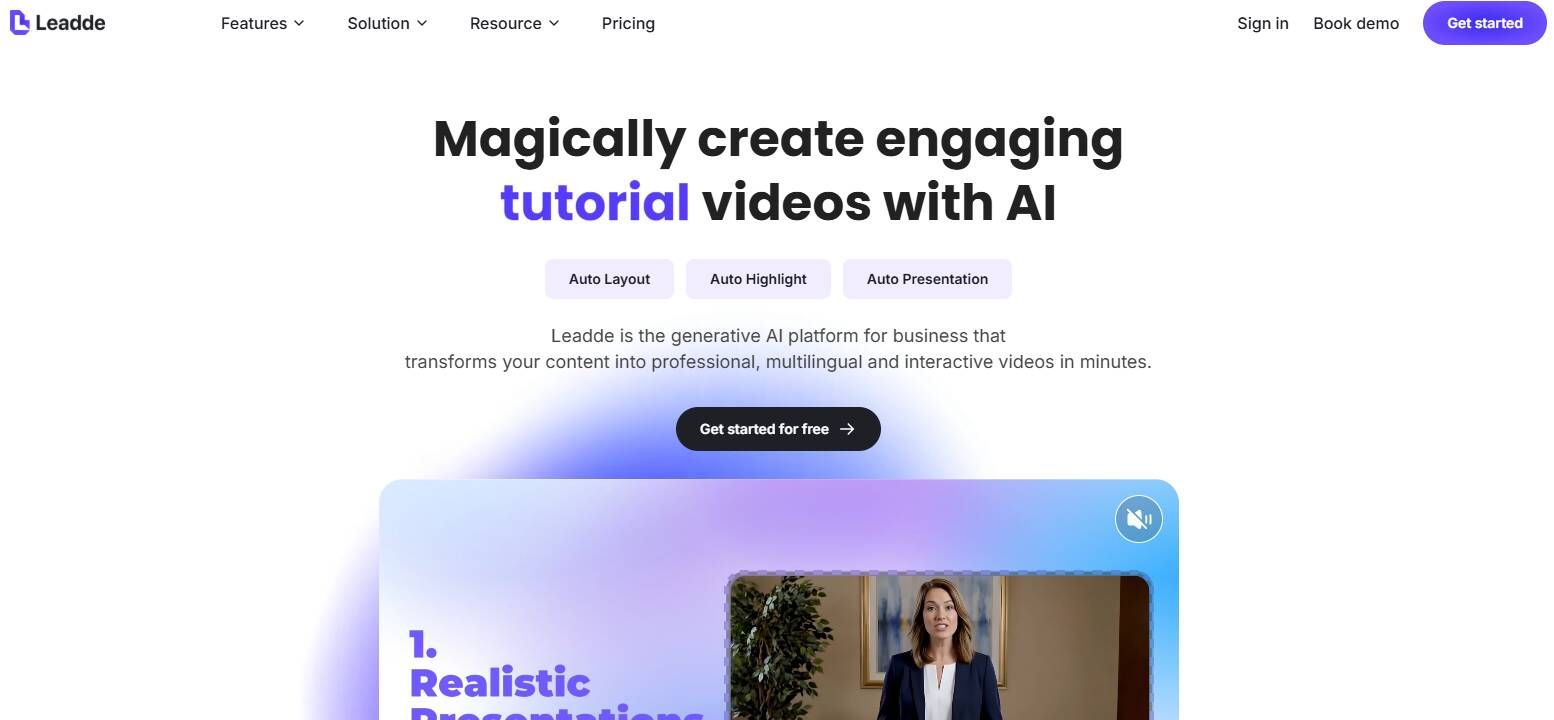
To make employee training videos in 2026, forward-thinking companies are ditching cameras and studios for AI automation that turns documents directly into engaging visual lessons. Relying on outdated PDFs or expensive filming crews creates a "training bottleneck" where content is obsolete before it’s even released.
Leadde streamlines the entire training process by converting your static manuals and slides into polished, interactive videos automatically. Instead of spending days filming or editing, you get ready-to-use lessons in minutes that employees can actually engage with.
Why L&D Teams are Abandoning the Camera
The "Update Nightmare": Why Filmed Videos Expire in Months
In traditional corporate training, filming a video is a "static" event. You hire a crew, script the CEO, and shoot the footage. But the moment a compliance policy changes or a product spec updates, that expensive video becomes instantly obsolete. Reshooting is costly, so teams often resort to patching the video with ugly text overlays or abandoning it entirely.
"Just-in-Time Learning": Creating Content at the Speed of Business
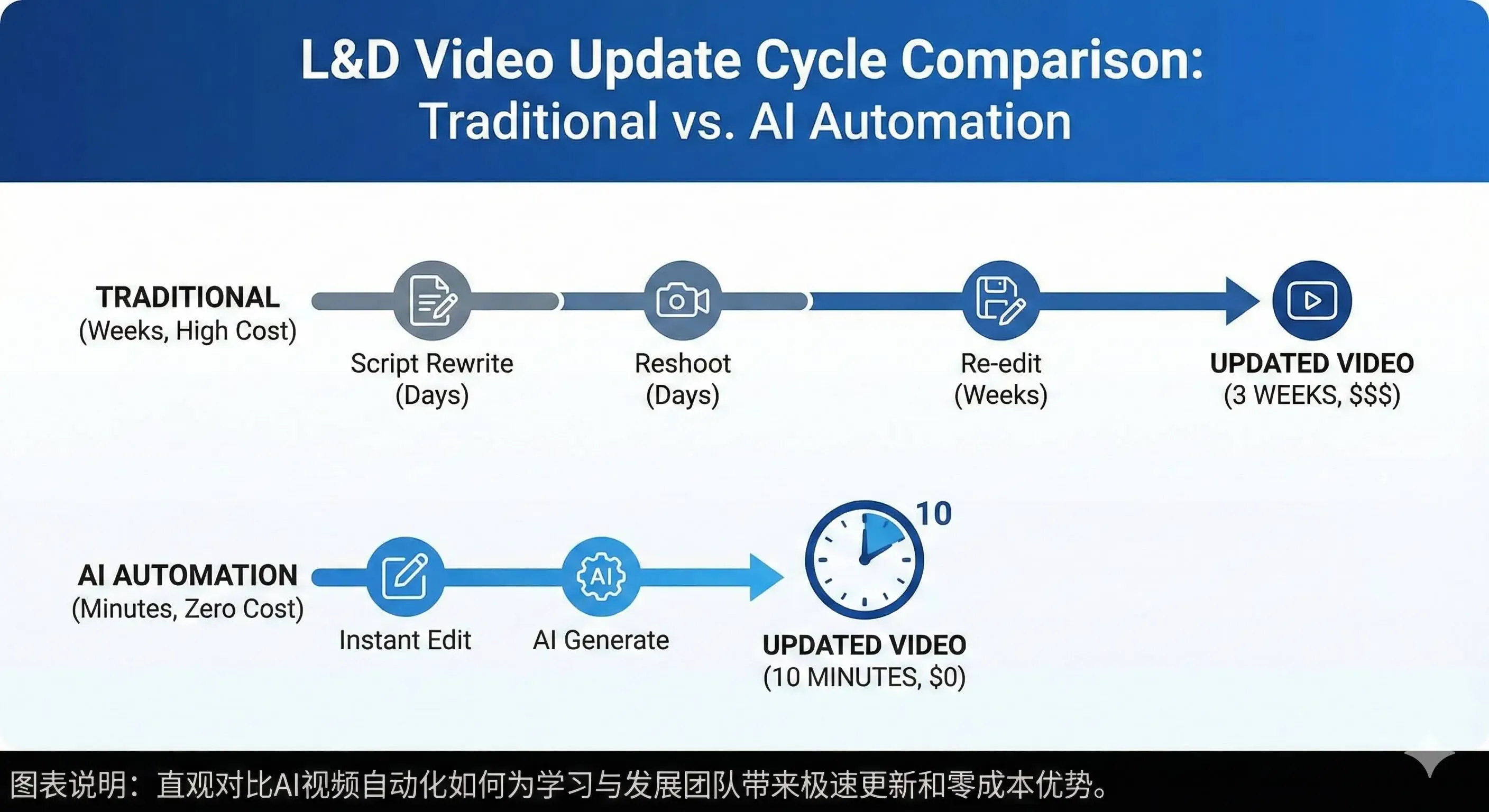
Modern businesses move too fast for studio production cycles. The 2026 standard is "Just-in-Time Learning"—the ability to deploy a training video within minutes of a process change.
AI tools solve the "Update Nightmare" by treating video as dynamic software, not static film. If a regulation changes, you simply edit the text in the script, and the AI avatar re-speaks the line instantly. No cameras, no actors, no re-shoots.
The 3-Step Workflow: Transforming Documents into Video Assets
1. Intelligent Ingestion: Turning Sales Decks & SOPs into Scripts
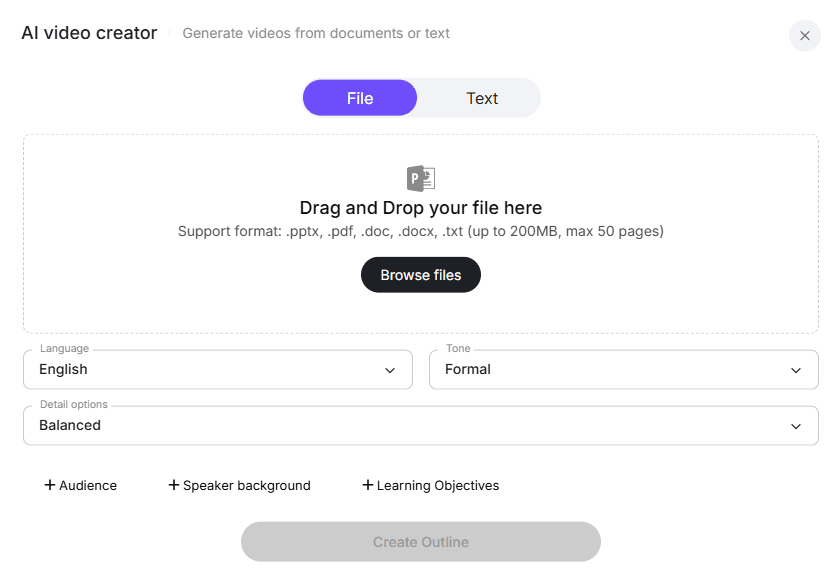
The most efficient way to start is with your existing materials. You likely have folders full of PDF manuals, PowerPoint decks, and Word docs that nobody reads. With Leadde, you simply upload these files directly. The AI analyzes the document structure, identifying key learning objectives, bullet points, and diagrams. It then auto-generates a structured video script, turning dense text into a conversational narrative.
2. The AI Presenter: Using Avatars to Humanize Technical Content
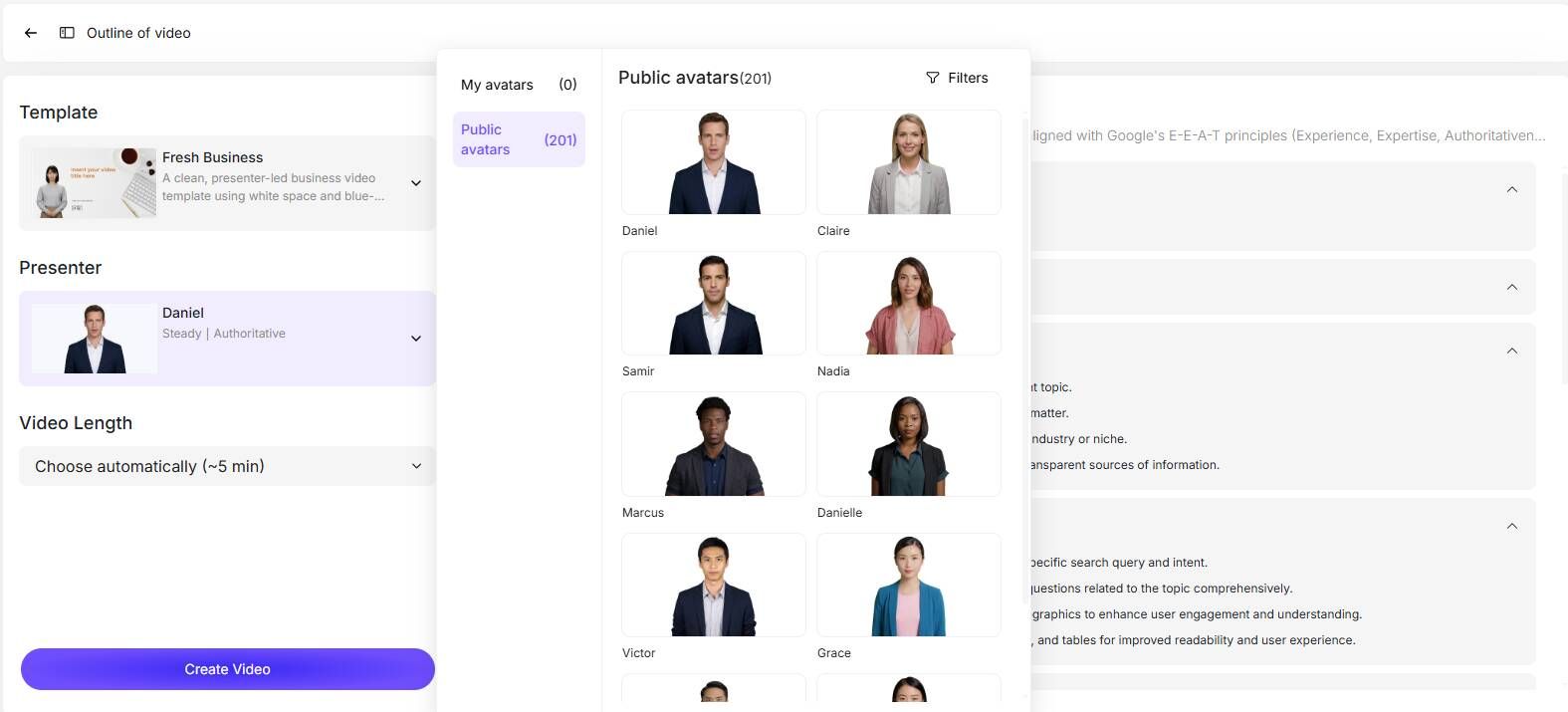
Technical training can be dry. To keep employees engaged, you need a human element. Leadde provides 200+ AI Avatars that act as virtual instructors. Whether you need a professional compliance officer for legal training or a casual peer for onboarding, you can select an avatar that fits the tone. These avatars deliver the script with perfect lip-sync and natural gestures, significantly increasing viewer retention compared to voice-over slides.
Mid-Article Mention: Leadde enables a single L&D manager to produce a full curriculum of high-fidelity training videos in a single afternoon, a task that used to take a team of three a whole month.
3. Visual Context: Layered Editing for Charts and Software Screenshots
For software training or complex processes, visuals are critical. Leadde’s Layered Editing (Slide Presenter) technology is a game-changer. Unlike screen recording tools that flatten everything into a video file, Leadde keeps your uploaded charts and screenshots as editable layers. You can highlight a specific button, zoom in on a data point, or swap out a UI screenshot without disrupting the avatar’s narration.
Localization Strategy: Training Global Teams Instantly
Eliminating Subtitles: The Power of AI Voice Dubbing in 92 Languages
For multinational companies, language barriers are a major training risk. Subtitles are often ignored or misunderstood. Leadde allows you to localize your training content instantly.
With one click, you can translate the video script into 92 languages. The AI not only dubs the voice but also syncs the avatar’s lips to the new language (e.g., Spanish, Japanese, Arabic). This ensures that every employee, regardless of location, receives the same high-quality training in their native tongue.
Beyond the Watch: Interactive Training Experiences
"Chat with Video": The 24/7 AI Training Assistant
The future of training is interactive. Passive watching is often forgotten. Leadde’s "Chat with Video" turns every training module into an active support tool. Employees can ask questions directly to the video player, such as "How do I file an expense report?" or "What is the safety protocol for chemicals?". The AI instantly retrieves the answer from the video content, helping improve engagement metrics. This transforms your training library into an always-on corporate brain.
Measuring Success: Engagement Metrics That Matter
You can track exactly how employees interact with the video—where they drop off, what questions they ask, and which sections are re-watched. This data helps L&D teams refine content continuously.
Comparison: Manual vs. Automated Production Costs
The 80% Savings Rule: A Cost Breakdown Table
Is AI automation really cheaper? Let's look at the numbers for producing a 10-module training course (50 minutes total).
| Cost Component | Traditional Production (Agency/In-house) | Leadde AI Automation |
|---|---|---|
| Scriptwriting | $2,000 (Instructional Designer) | Included (AI Auto-Draft) |
| Filming/Studio | $5,000+ (Crew, Gear, Talent) | $0 (AI Avatars) |
| Editing | $3,000 (Post-Production) | Included (Auto-Edit) |
| Localization | $1,500 per language (Dubbing) | Included in Subscription |
| Total Cost | $11,500+ | ~$19/mo Subscription |
| Time to Ship | 4-6 Weeks | < 1 Day |
Leadde delivers the same instructional value at less than 1% of the traditional cost, enabling you to save 80% on production costs and allocate budget to strategy rather than production logistics.
Conclusion: Future-Proof Your Employee Onboarding
Learning how to make employee training videos in 2026 means mastering AI automation. By converting static documents into dynamic, multilingual, and interactive video assets, you not only save time and money but also dramatically improve information retention.
Don't let your training content expire. Keep it alive with AI. Leadde is the AI business video generation platform that helps you save 80% on production costs and reduce content creation time by 90%.