
How to Scale Training With AI Avatars (Without Losing Quality)
Scaling training with AI avatars works best when organizations use AI-generated presenters to automate repeatable training delivery while keeping human trainers focused on coaching, feedback, and high-value interaction. In practice, scalable AI avatar training succeeds when companies combine modular content, consistent presenters, multilingual localization, and fast script-based updates instead of relying on traditional video production workflows. The most effective programs use AI avatars for onboarding, compliance, SOP walkthroughs, and product training—especially across distributed or global teams.
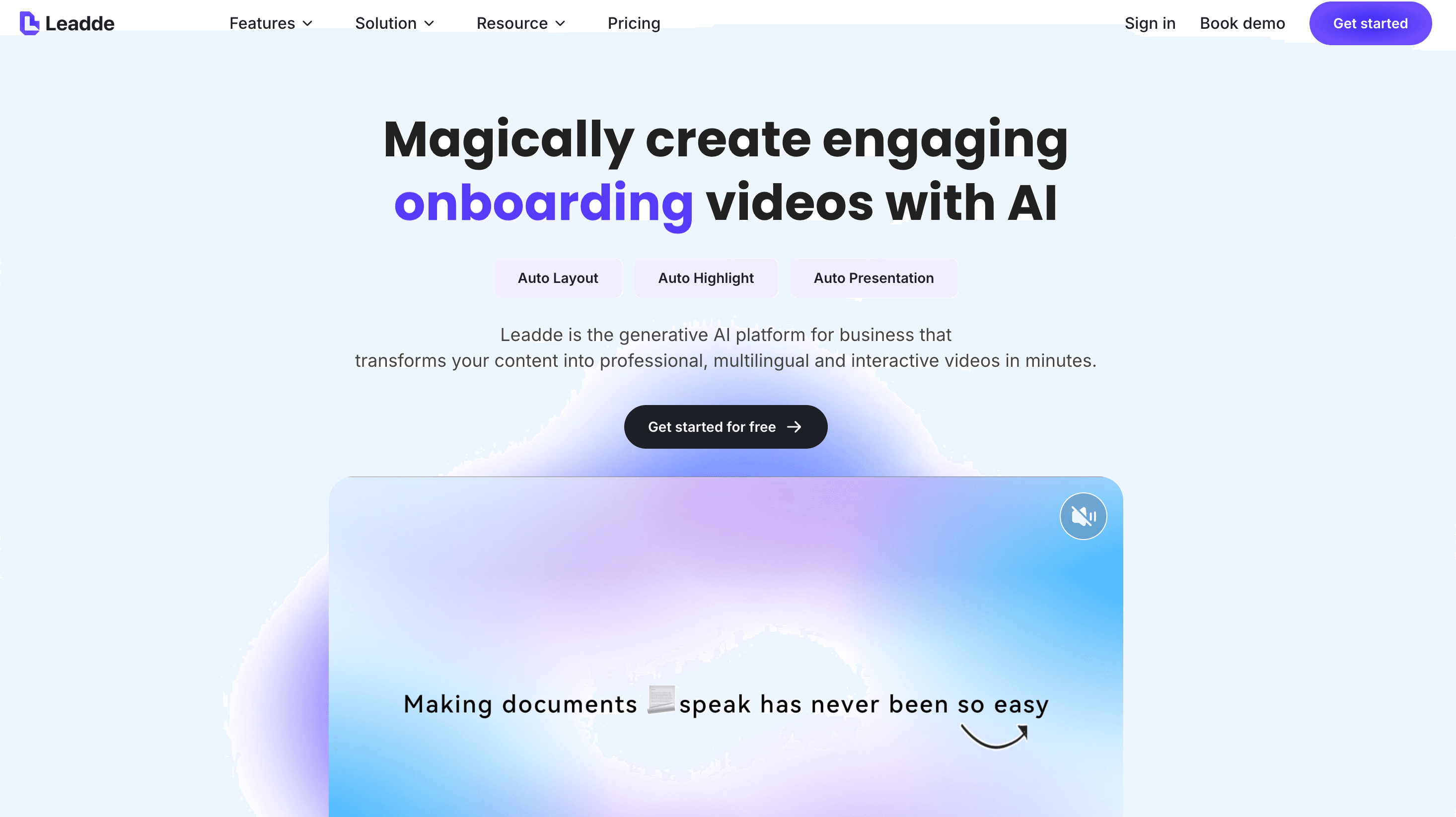
This is where AI avatar–based video tools come in. Platforms like Leadde enable teams to create training videos with AI avatars, allowing content to be updated, reused, and scaled without repeated recordings or heavy production workflows. By combining scale, training consistency, and a human-like presence, AI avatars are becoming a practical foundation for modern training programs.
How to Scale Training With AI Avatars
Scaling training is easy to plan—but difficult to sustain as organizations grow. As teams expand across departments, regions, and languages, traditional training systems become harder to maintain consistently.
Live training sessions require repeated delivery. Recorded videos become outdated quickly. Updating content often means scheduling presenters, re-recording sections, editing timelines, and managing fragmented versions across teams.
After analyzing how companies are implementing AI avatars in onboarding, compliance, and enterprise learning workflows, one pattern became clear: the biggest advantage of AI avatars is not automation alone. It is the ability to maintain training consistency at scale without multiplying production complexity.
AI avatar–based training allows organizations to:
- Deliver standardized instruction globally
- Update training quickly without reshoots
- Reuse presenters across modules
- Localize content efficiently
- Maintain a human-like learning experience in self-paced environments
This is why AI avatars are increasingly becoming part of scalable learning infrastructure rather than just another video trend.
What Are AI Avatars in Scalable Training?
AI avatars in scalable training are AI-generated presenters designed to deliver instructional content consistently across multiple learning environments.
Unlike entertainment avatars or virtual influencers, training avatars are optimized for repeatability, clarity, and modular delivery.
In enterprise learning workflows, AI avatars are commonly used for:
- Employee onboarding
- Compliance training
- Product education
- SOP walkthroughs
- Internal enablement
- Multilingual training programs
Compared to traditional presenter-led videos, AI avatars remove several operational bottlenecks:
| Traditional Training Videos | AI Avatar Training |
|---|---|
| Requires filming schedules | Generated from scripts |
| Presenter availability matters | Reusable digital presenters |
| Updates require reshoots | Videos regenerated instantly |
| Localization duplicates production | Localization scales from one workflow |
| Delivery varies between sessions | Consistent delivery every time |
The ability to separate the training script from the recording process is what fundamentally changes scalability.
Why AI Avatars Are Ideal for Scalable Training Programs
AI avatars are particularly effective for scalable training because they remove many of the limitations that slow down traditional video-based learning. As training programs expand, consistency, speed, and adaptability become just as important as content quality.
Always-on, Consistent Delivery
AI avatars deliver the same message with the same tone and pacing every time. Unlike human presenters, there is no variation between sessions, regions, or updates. This level of consistency is especially important for compliance training, employee onboarding, and product education, where accuracy and clarity must be maintained across large audiences.
By using the top AI avatar platforms for HR training videos, training teams can ensure that every learner receives the same instruction, regardless of when or where they access the content.
Faster Updates and Effortless Editing
One of the biggest barriers to scaling training is content maintenance. Traditional videos require re-shoots and editing when processes, policies, or products change. AI avatar videos remove this bottleneck.
Training updates can be made by revising the script and regenerating the video—no filming, no rescheduling, and no complex post-production. This makes it critical to choose an AI avatar creator for corporate videos that supports agile training workflows where content needs to stay current as the organization evolves.
Localization at Scale
Scalable training often means training global teams. AI avatars support multi-language delivery by allowing the same training content to be localized without duplicating production work.
Instead of creating separate videos for each region, teams can adapt scripts and language settings while maintaining a consistent visual and instructional structure. This approach makes localized training more efficient and helps global teams receive accurate, culturally appropriate instruction at scale.
Why Most AI Avatar Training Videos Fail to Engage Learners
Not all AI avatar training improves learning outcomes.
In many enterprise learning evaluations, poor AI avatar implementation created distraction instead of engagement.
The issue was rarely the technology itself. The problem was instructional misuse.
The most common failure patterns included:
- avatars overacting visually
- excessive gestures
- unnatural facial expressions
- long talking-head sequences
- unrealistic voice pacing
- avatars competing with instructional content
In several learning design reviews, learners described poorly implemented avatars as:
- distracting
- artificial
- cognitively exhausting
- less trustworthy than screen-based instruction
The most effective scalable training programs used avatars as guides—not performers.
Successful implementations prioritized:
- instructional clarity
- concise delivery
- modular lessons
- screen hierarchy
- visual simplicity
The strongest learning outcomes typically came from workflows where the avatar supported the lesson rather than becoming the center of attention.
How to Reduce Cognitive Overload in AI Avatar Training Videos
As organizations scale self-paced learning, cognitive overload becomes a major risk.
Many AI avatar training systems fail because they try to maximize realism instead of comprehension.
In instructional design workflows, several patterns consistently improved learner retention and completion rates.
Keep the Avatar Secondary to the Content
The avatar should reinforce explanations—not dominate the screen.
Training videos performed better when:
- slides remained visually clean
- screen recordings stayed primary
- avatars occupied limited screen space
- animations were minimal
This reduced learner fatigue and improved information processing.
Use Short Modular Learning Blocks
Long AI-generated videos often create attention decay.
By finding the best AI avatar creators for eLearning and interactive tutorials, high-performing training programs typically broke content into:
- 2–5 minute modules
- single-topic walkthroughs
- repeatable knowledge blocks
This modular structure also made updates significantly easier.
Prioritize Script Clarity Over Realism
Many teams initially focused on making avatars appear “more human.”
But training effectiveness improved more when teams optimized:
- pacing
- sentence structure
- instructional sequencing
- clarity of explanations
The most scalable training systems behaved more like structured teaching frameworks than AI-generated performances.
When AI Avatars Work Best in Employee Training
AI avatars are not equally effective for every learning scenario.
The strongest implementations appeared in training environments where consistency, repeatability, and asynchronous delivery mattered most.
Best-Fit Use Cases
Employee Onboarding
One of the most successful applications involved onboarding workflows where HR teams repeatedly delivered identical information.
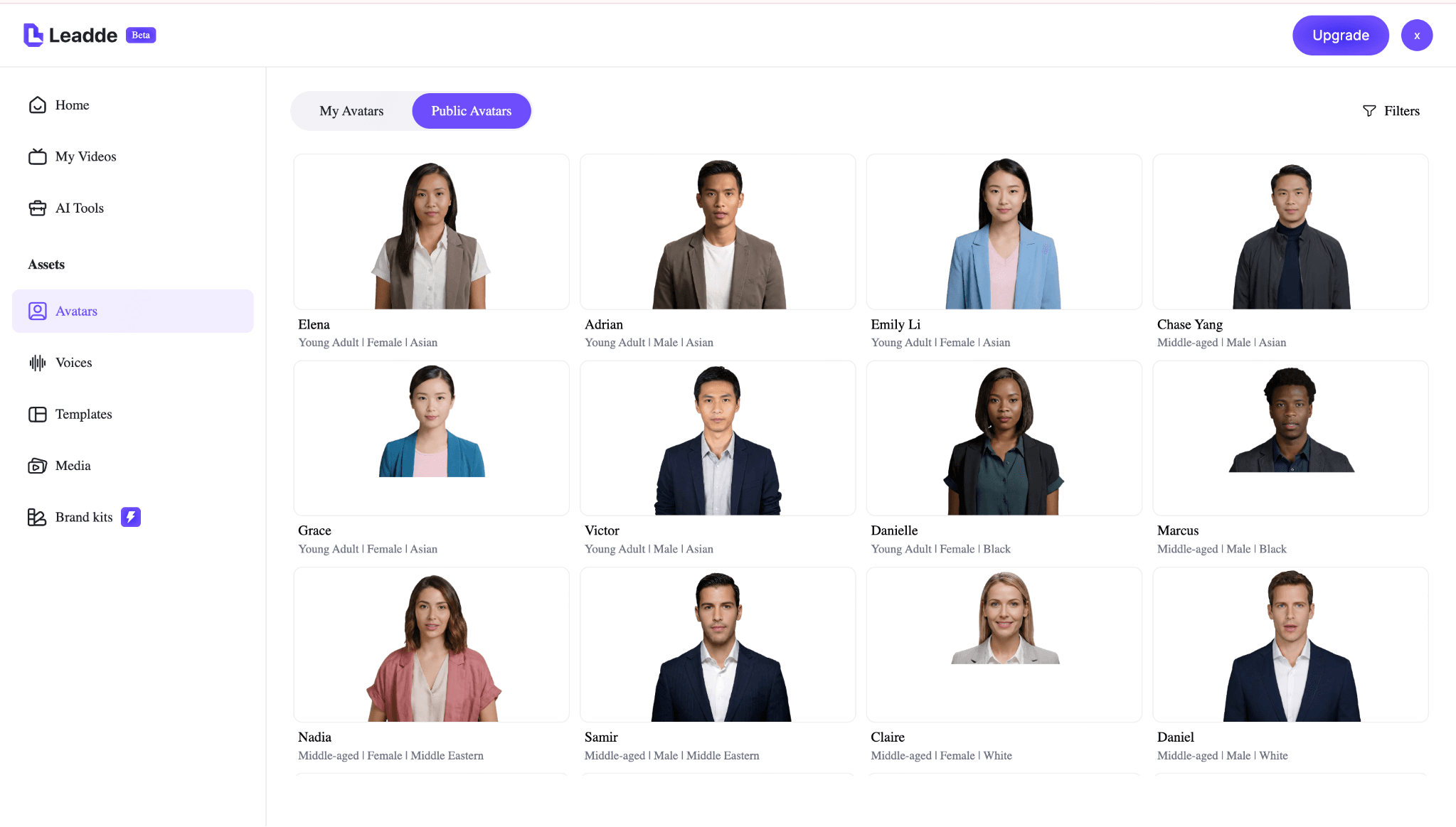
Once HR teams learn how to train AI avatars on company content, they help standardize:
- welcome modules
- policy introductions
- company systems training
- first-week workflows
New hires could complete onboarding independently while HR teams focused on higher-value interactions.
Compliance Training
Compliance training benefits heavily from consistency.
Organizations used AI avatars to maintain standardized messaging across:
- legal updates
- operational policies
- security training
- workplace safety procedures
This reduced regional variation and minimized outdated training versions.
Product and Software Training
AI avatars worked particularly well for:
- platform walkthroughs
- dashboard explanations
- SOP demonstrations
- customer enablement tutorials
These workflows benefited from structured, repeatable delivery.
Poor-Fit Scenarios
AI avatars performed significantly worse in training environments requiring:
- emotional intelligence
- live coaching
- negotiation practice
- leadership mentoring
- high-trust consulting
- nuanced interpersonal feedback
The most effective organizations did not attempt to replace human trainers entirely.
Instead, they automated repetition while preserving human interaction where it mattered most.
AI Avatars vs Human Trainers: What Should Actually Be Automated?
One misconception about AI avatars is that they are designed to replace trainers entirely.
The highest-performing organizations approached the problem differently.
They used AI avatars to automate repetitive delivery while keeping human experts focused on strategic learning experiences.
Best Tasks to Automate With AI Avatars
| Training Functions Suitable for AI Avatars |
|---|
| Repeatable onboarding |
| Policy updates |
| SOP walkthroughs |
| Product tutorials |
| Global localization |
| Knowledge refreshers |
| Self-paced learning modules |
Training Functions That Still Need Humans
| Training Functions Better Led by Humans |
|---|
| Coaching |
| Leadership development |
| Emotional support |
| Strategic mentoring |
| Negotiation practice |
| Team workshops |
| Complex collaborative learning |
Organizations that scaled training successfully treated AI avatars as infrastructure—not replacements for human expertise.
How Global Teams Scale Multilingual Training With AI Avatars
Global organizations face a unique operational problem: maintaining training quality across languages without multiplying production effort. This is why knowing how to find AI avatar services with centralized management is highly beneficial.
Traditional localization workflows often require:
- separate presenters
- regional studios
- duplicated editing
- independent production timelines
AI avatars simplify multilingual scaling dramatically.
Several enterprise learning teams adopted centralized script workflows where:
- one master script powered multiple languages
- avatars remained visually consistent
- voice generation adapted regionally
- updates propagated globally
This reduced localization friction significantly.
Some training operations also found that multilingual AI voice systems helped eliminate one of the biggest historical bottlenecks: coordinating voice actors for frequent training updates.
The Hidden Cost of Traditional Training Video Production
Most organizations underestimate the operational cost of maintaining traditional training video systems.
Initial production is only a small portion of the total cost.
The larger expense comes from:
- updates
- version management
- localization
- fragmented delivery
- inconsistent presenters
- maintenance cycles
In traditional enterprise training workflows, even minor content changes can trigger expensive re-production cycles.
AI avatar workflows shift training production away from video logistics and toward structured content management.
This operational shift is one of the biggest reasons scalable organizations are adopting AI-generated training workflows.
How Instructional Design Changes When Training Is AI-Generated
AI-generated training requires a different instructional design mindset.
Traditional training often revolves around recording sessions.
Scalable AI training revolves around structured content systems.
The most effective AI avatar programs consistently used:
- modular scripts
- reusable lesson blocks
- standardized formats
- centralized outlines
- chunk-based sequencing
This approach improved:
- content reuse
- update speed
- localization
- consistency across departments
Organizations that treated AI avatars purely as “video generators” often struggled.
The strongest programs treated them as part of a scalable learning architecture.
Real-World Workflow: How Teams Scale Training With AI Avatars
In practice, scalable AI avatar workflows usually follow three repeatable stages.
Step 1: Choose a Consistent Presenter System
Most organizations perform better when they standardize presenter identity across training categories.
This creates:
- visual consistency
- stronger learner familiarity
- lower cognitive friction
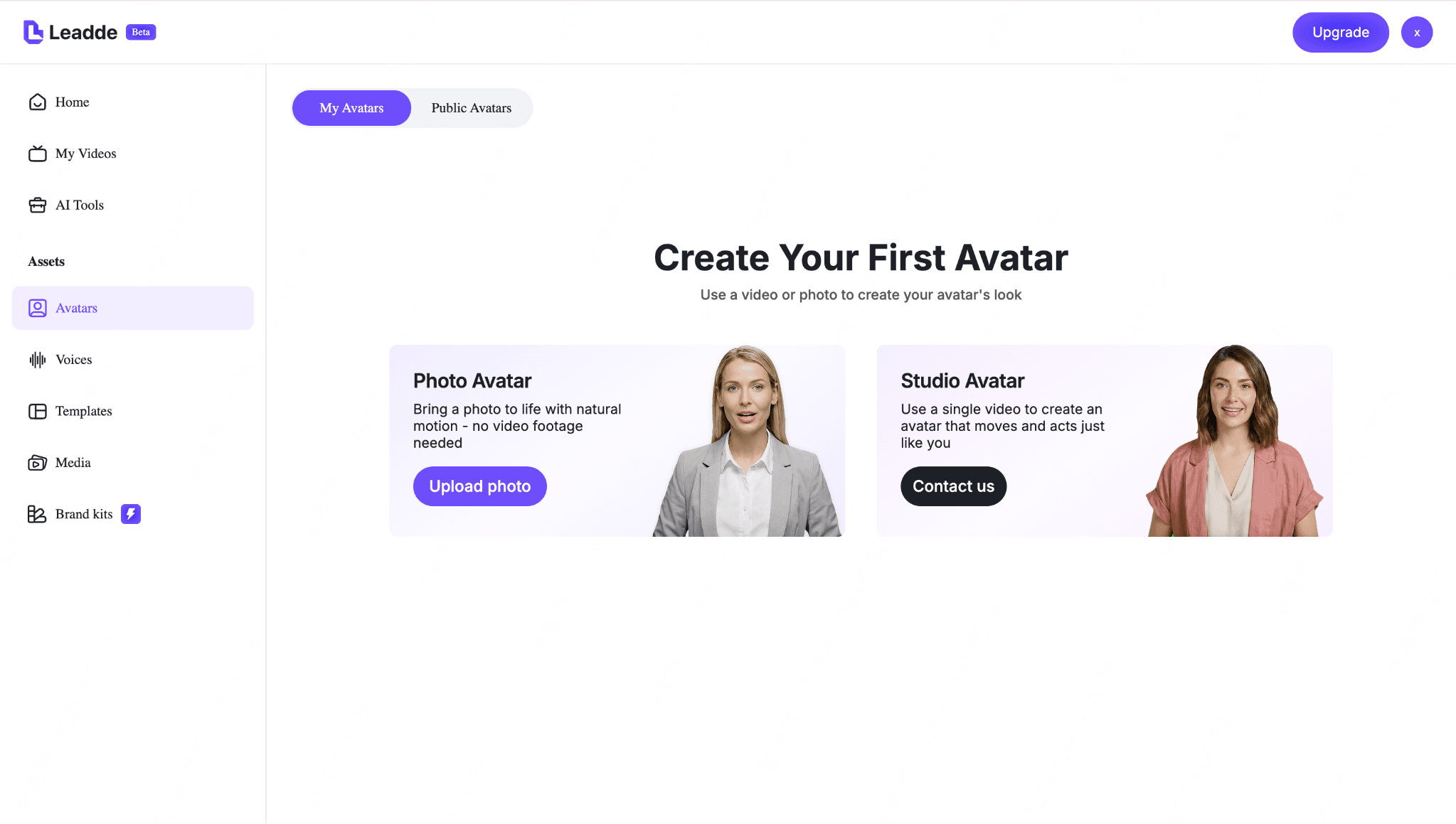
Many teams use reliable AI avatar platforms for large organizations to maintain standardized presenter styles across departments.
Step 2: Reuse Avatars Across Training Modules
Reusable presenters improve scalability dramatically.
Instead of building isolated videos, organizations create modular training ecosystems where the same presenter appears across:
- onboarding
- compliance
- internal education
- product walkthroughs
This creates continuity as training libraries expand.
Step 3: Generate Videos From Structured Outlines
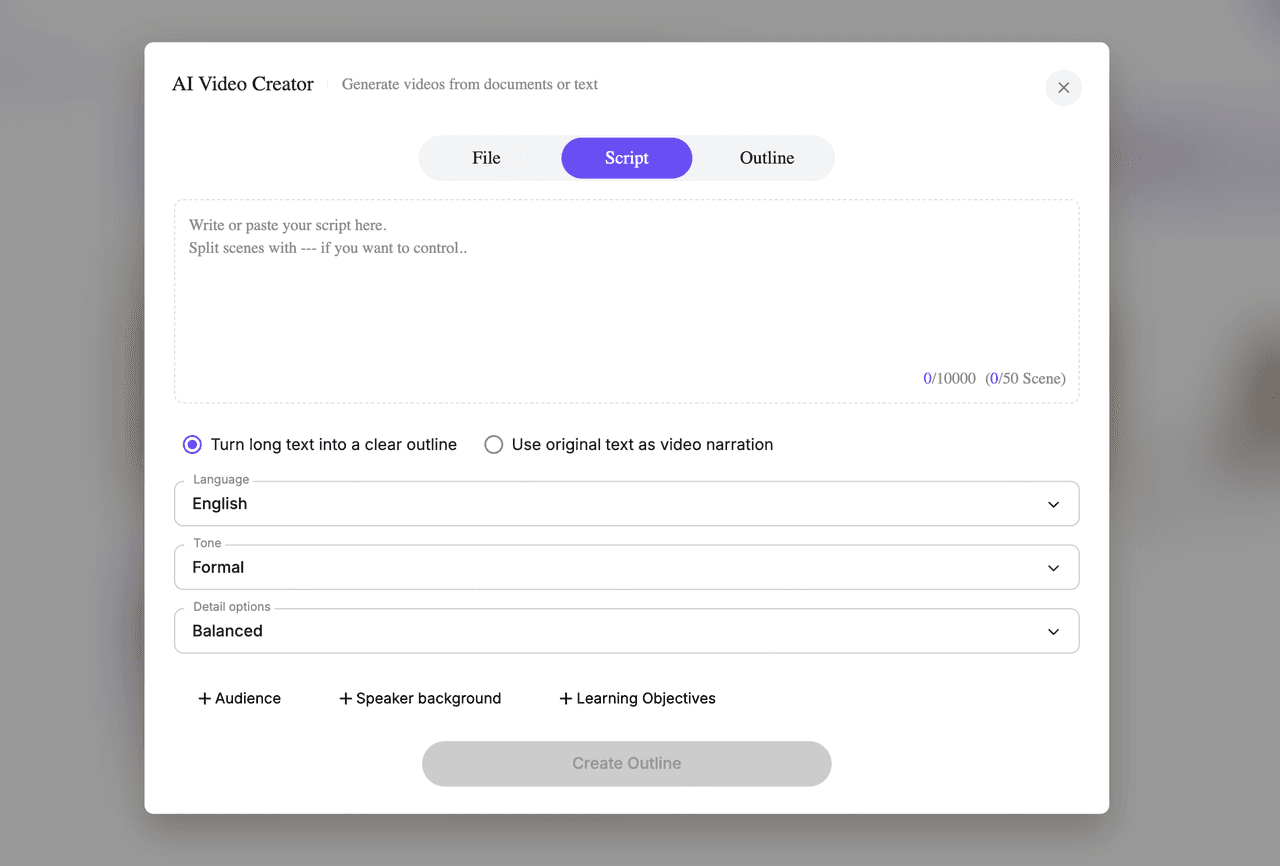
The most scalable teams no longer treat training production as a recording workflow.
Instead, they build structured outlines first:
- scripts
- sections
- visual prompts
- screen recordings
- modular lessons
Videos are then generated from those systems.
This allows rapid updates without re-recording entire modules.
Tools like Leadde demonstrate how AI avatar workflows can scale training efficiently while minimizing production overhead.
Best Practices for Making AI Avatar Training Feel More Human
The most effective AI avatar training does not attempt to imitate humans perfectly.
Instead, it creates instructional experiences that feel natural, clear, and trustworthy.
Several implementation patterns consistently improved learner response.
Use Conversational Scripts
Training scripts performed better when written like guided explanations rather than formal narration.
Shorter sentences and natural pacing improved comprehension significantly.
Maintain Voice Consistency
Switching voices or avatar styles too frequently created friction.
Consistent presenters helped learners navigate large training libraries more comfortably.
Avoid Over-Animation
Excessive gestures often reduced trust.
Simple movement and restrained visual behavior consistently performed better in professional learning environments.
Combine Avatars With Visual Context
The strongest training experiences paired AI avatars with:
- screen recordings
- diagrams
- product demos
- process walkthroughs
- contextual visuals
The avatar supported instruction rather than replacing instructional media.
FAQs About Scaling Training With AI Avatars
Can AI avatars replace human trainers?
No. The most effective organizations use AI avatars to automate repetitive instruction while human trainers focus on coaching, mentoring, and strategic learning.
Are AI avatar videos effective for large training programs?
Yes—especially for onboarding, compliance training, product education, and multilingual learning where consistency and scalability are critical.
What are the best use cases for AI avatars in employee training?
The strongest use cases include:
- onboarding
- SOP walkthroughs
- compliance
- product training
- global enablement
- repeatable operational instruction
When should companies avoid using AI avatars?
AI avatars are less effective for:
- executive coaching
- emotional conversations
- negotiation practice
- leadership mentoring
- highly collaborative learning
How do AI avatars improve multilingual training?
AI avatars allow organizations to localize scripts, voiceovers, and subtitles without duplicating full production workflows.
This helps global teams maintain training consistency across regions.
Why do some AI avatar training videos feel distracting?
Poor implementations often prioritize realism over instructional design.
Over-animation, unnatural pacing, and excessive talking-head presentation can increase cognitive overload.
How can companies make AI avatar training more engaging?
The most effective strategies include:
- short modular lessons
- conversational scripting
- consistent presenters
- visual walkthroughs
- minimal distractions
- structured pacing
Are AI avatars cost-effective for enterprise learning?
Yes. Enterprise AI avatar services and virtual assistants become highly cost-effective when organizations need:
- frequent updates
- multilingual training
- large training libraries
- distributed onboarding
- scalable compliance systems
The biggest savings usually come from reduced maintenance and update overhead rather than initial production.
What is the biggest mistake companies make with AI avatar training?
Trying to replace all human learning interaction.
The most scalable systems automate repetition while preserving human expertise where it matters most.
Conclusion: Scaling Training Without Sacrificing Learning Quality
Scaling training successfully is not just about producing more content.
It is about building learning systems that remain:
- consistent
- maintainable
- adaptable
- globally scalable
- instructionally effective
AI avatars help organizations achieve this by reducing production friction while improving consistency across large training environments.
The organizations seeing the best results are not using AI avatars as novelty features.
They are using them as infrastructure for scalable learning systems built around modular design, rapid updates, multilingual delivery, and repeatable instruction.
As enterprise learning continues evolving, scalable training will increasingly depend on systems that combine automation with instructional clarity. AI avatars are becoming one of the most practical ways to build that foundation.