Best AI Avatar Tools for Multilingual Marketing: What Actually Works (and What Doesn’t)
AI avatar tools for multilingual marketing campaigns work best when used as a scalable content testing and localization engine—not a full replacement for human creators. Leading platforms such as Leadde.ai, Synthesia, and HeyGen have made it possible for teams to rapidly produce multilingual video variations, test them across markets, and scale winning concepts without rebuilding production from scratch.
The highest-performing teams use these tools to generate and iterate quickly, then amplify top-performing creatives with higher-production or human-led content.
Based on hands-on implementation and user research across DTC brands, SaaS teams, and solo creators, success depends on three factors:
- Realism (lip-sync, voice, delivery) matters more than language count
- AI is best for volume testing, not final creative
- Localization still requires human validation
This guide breaks down what actually works, where AI avatars fail, and how to use them effectively for global campaigns.
What Are AI Avatar Tools for Multilingual Marketing Campaigns?
AI avatar tools for multilingual marketing are platforms that generate virtual presenters capable of speaking multiple languages naturally in marketing videos.
These avatars are commonly used for:
- Product demonstrations
- Tutorials and explainers
- E‑learning and onboarding
- Webinar content
- Global marketing and launch campaigns
Instead of recreating the same video in different languages, marketers can localize content instantly while preserving visuals, tone, and branding.
How AI Avatar Tools Work for Multilingual Marketing Videos
AI avatar platforms follow a structured workflow that replaces traditional video production.
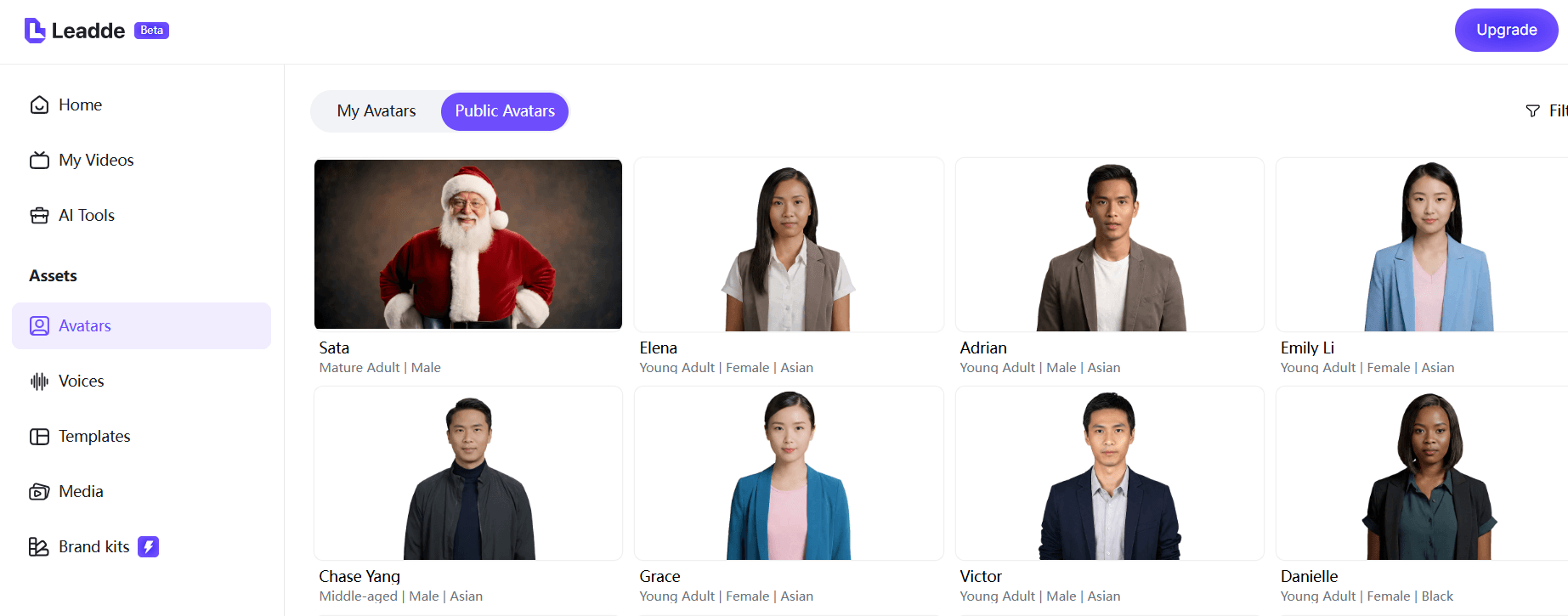
Avatar Selection and Custom Avatar Creation
Teams choose from a library of realistic avatars or create a custom avatar that reflects their brand identity, ensuring visual consistency across all regions.
Multilingual Script Input and Localization
Marketers provide scripts in one or multiple languages. AI handles localization without changing the structure or intent of the message.
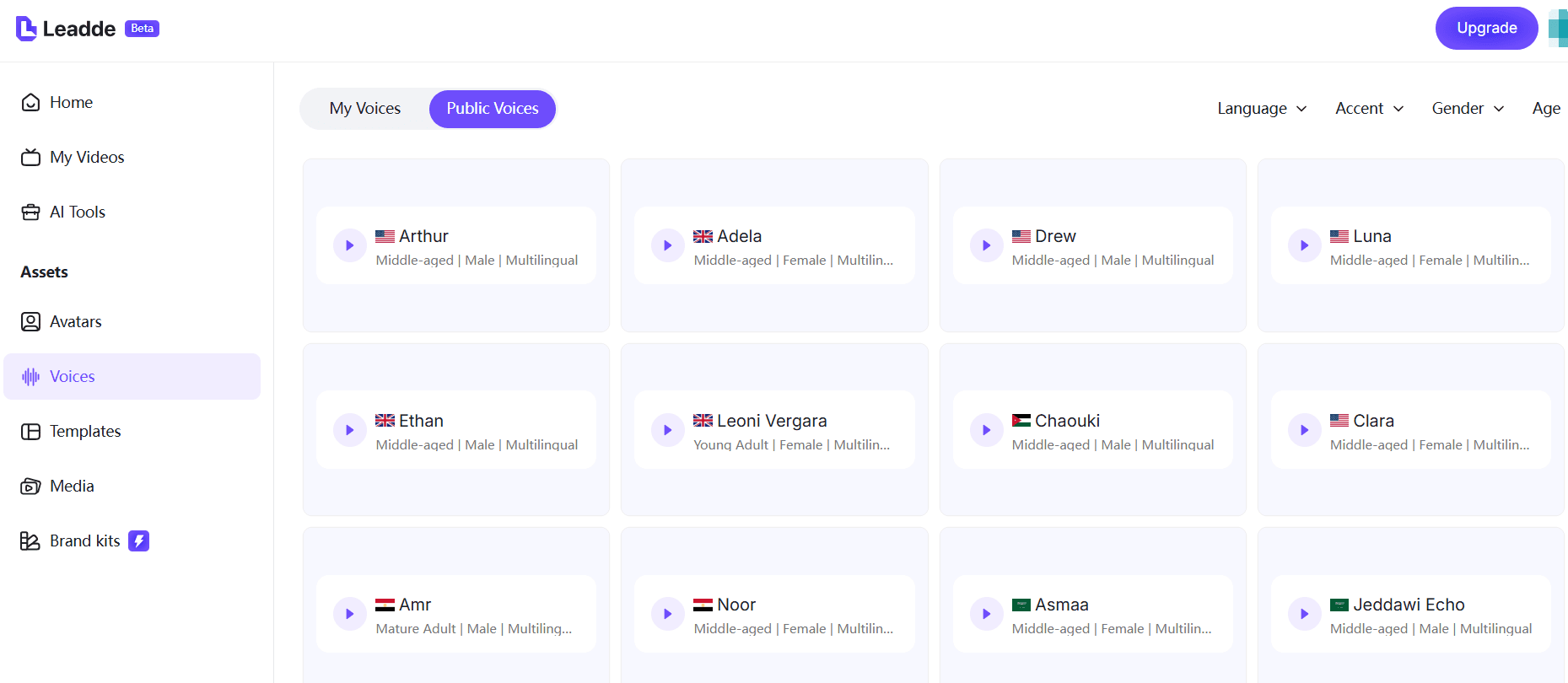
AI Voice Generation and Lip‑Sync Technology
Advanced text‑to‑speech engines generate natural voices while synchronizing lip movements and facial expressions with spoken language.
Animation, Gestures, and Expressions
Avatars use gestures, facial movements, and body language to improve clarity and viewer engagement, especially in tutorial and explainer videos.
Exporting and Sharing Multilingual Videos
Final videos can be exported in multiple formats and used across websites, ads, social channels, webinars, and learning platforms.
Why Most Multilingual AI Avatar Videos Fail (And How to Avoid It)
Through direct usage and analysis of dozens of campaigns, the most common failure points are not technical limitations—but perceived authenticity.
Key failure patterns:
- Lip-sync mismatch breaks immersion instantly
- Voice tone inconsistency across languages reduces trust
- Rigid gestures and “AI stiffness” make videos feel scripted
- Literal translations ignore cultural nuance
Practical takeaway:
High-performing teams prioritize:
- Fewer languages with higher quality
- Native-level tone adaptation
- Testing avatar styles before scaling
In real campaigns, improving realism has consistently delivered higher watch time and lower drop-off rates than simply expanding language coverage.
AI Avatars vs Real UGC Creators: Which Performs Better in Global Campaigns?
In performance marketing environments, AI avatars and human creators serve different roles.
Case Study: DTC Brand Ad Testing (3-Month Campaign)
- Total spend: $100,000
- Total creatives: 220 videos
AI-generated videos:
- Cost: ~$3 per video
- Average ROAS: 2.8x
- Total monthly cost: ~$2,200
Human UGC videos:
- Cost: ~$420 per video
- Average ROAS: 2.3x
- Total monthly cost: ~$9,600
Key outcome:
- AI enabled 5–7 winning creatives per month
- Human UGC produced 2–3 winners per month
Insight:
AI avatars outperform in:
- High-volume testing
- Speed and iteration
- Cost efficiency
Human creators outperform in:
- Emotional storytelling
- Brand trust
- Scaling proven creatives
Strategic model:
Use AI avatars to find winners, then use human creators to amplify them.
The Real Workflow Behind Multilingual AI Marketing Videos (Beyond “One-Click”)
Despite how tools are marketed, there is no true “one-click global video.”
Real-world workflow:
- Create base script
- Translate and adapt per market
- Generate AI avatar videos
- Perform native language QA
- Launch multi-variant testing
Key operational insight:
AI reduces production time dramatically—but introduces a new bottleneck:
Localization quality control
Teams that skip this step often see:
- Lower conversion rates
- Negative comments
- Reduced ad performance
How to Make AI Avatar Videos Feel Native on TikTok, Reels, and Paid Ads
One of the most important discoveries from campaign testing is that platform-native feel matters more than visual polish.
What works:
- Natural pauses and imperfect pacing
- Subtitles with emphasis and emojis
- Quick cuts and dynamic framing
- Background footage or screen recordings
What fails:
- Static talking-head avatars
- Overly polished corporate delivery
- Perfect but unnatural speech patterns
Example outcome:
A solo founder using AI avatar automation increased output from occasional posts to 5 videos per day, resulting in:
- 21.5K Instagram views in 30 days
- 26K YouTube views in 28 days
- Production time reduced from 2 hours to 2 minutes per video
Consistency—not perfection—drove growth.
The Hidden Cost of Multilingual AI Videos (That Most Tools Don’t Tell You)
AI avatars significantly reduce production costs—but introduce new operational costs.
Common hidden costs:
- Native language reviewers
- Re-rendering failed generations
- Managing multiple video variants
- Editing and fixing unnatural delivery
Real insight:
Teams often save 70–80% on production, but underestimate:
- QA time
- Localization validation
- Creative iteration overhead
AI shifts cost structure—it doesn’t eliminate it.
Can One AI Avatar Tool Handle Everything? (Realistic Tool Stack Explained)
In practice, most teams use a multi-tool stack, not a single platform.
Typical stack:
- Avatar generation: HeyGen, Synthesia
- Voice: ElevenLabs
- Editing: CapCut, Premiere
- Ad testing: Meta Ads, TikTok Ads
Why all-in-one tools fall short:
- Limited editing flexibility
- Inconsistent voice quality
- Weak platform-specific optimization
Conclusion:
The most effective setups combine 2–4 specialized tools, even when using platforms like Leadde that aim to unify workflows.
What “Good” Multilingual AI Video Actually Looks Like (Quality Checklist)
A high-performing AI avatar video consistently meets these criteria:
- Accurate lip-sync
- Natural pacing and tone
- Culturally adapted language (not direct translation)
- Platform-native editing style
- Balanced use of avatar (not overly dominant)
Teams that follow this checklist typically see:
- Higher engagement rates
- Better ad performance
- Lower audience skepticism
Benefits of Using AI Avatars for Multilingual Marketing Campaigns
Reach Global Audiences Without Language Barriers
AI avatars allow brands to communicate with international audiences in their native language, improving trust and understanding.
Save Time on Video Production and Localization
What once took weeks—reshooting videos for each market—now takes minutes, completely streamlining video production.
Reduce Marketing and Production Costs
No need for studios, actors, translators for every revision, or repeated video shoots.
Maintain Strong Brand Consistency Across Languages
The same avatar, visuals, and tone are preserved in every localized version.
Increase Engagement With Human‑Like Presentations
Lifelike avatars with natural voices outperform static slides and text‑only videos.
Support Multiple Marketing Use Cases
AI avatar videos work across product demos, tutorials, onboarding, webinars, and campaigns.
Best AI Avatar Tools for Multilingual Marketing Campaigns
Leadde: Best Overall AI Avatar Tool for Multilingual Marketing
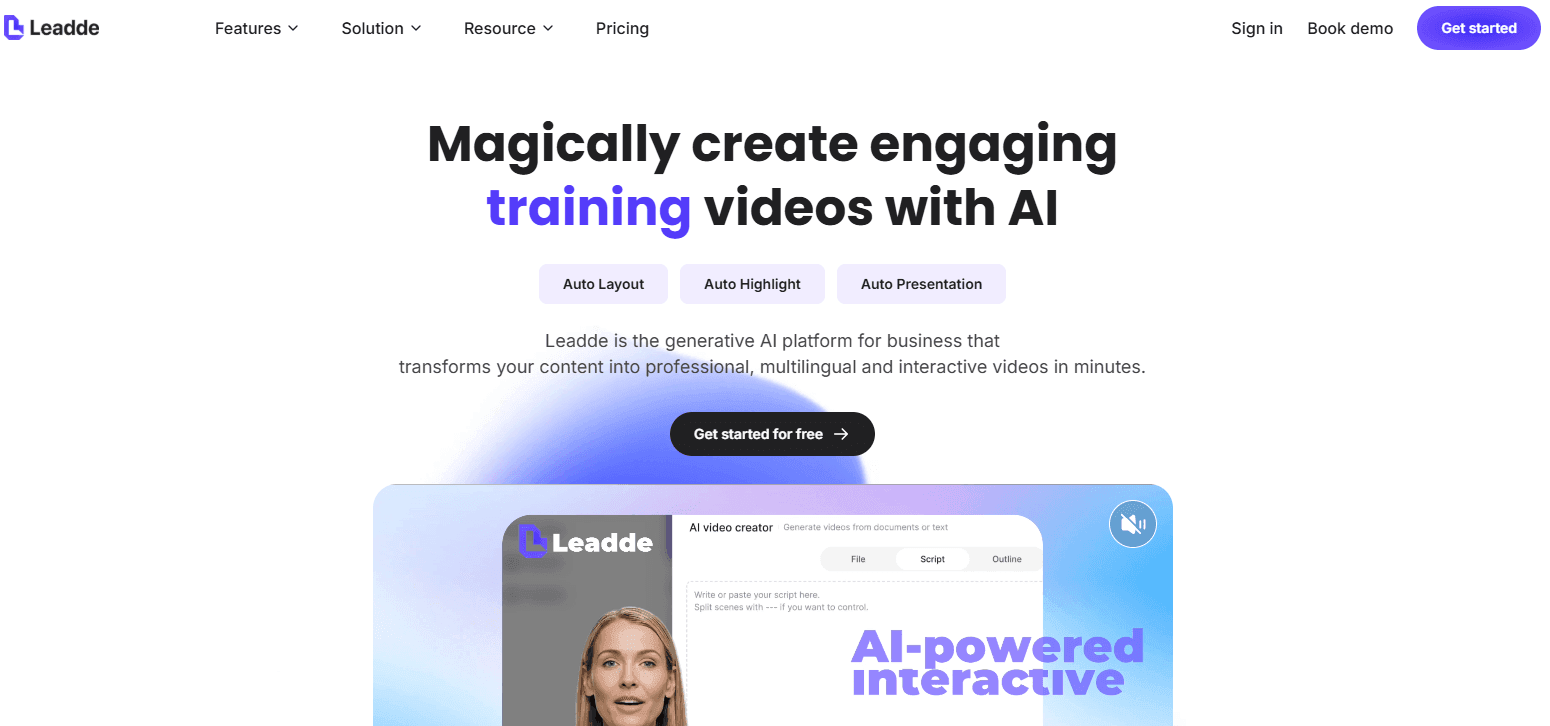
Leadde is a generative AI video platform built for businesses that need to create professional, multilingual marketing videos quickly and at scale.
With Leadde, teams can:
- Turn documents, scripts, or outlines into videos instantly
- Use lifelike AI avatars as presenters
- Generate natural voiceovers with smart highlights
- Customize tone, language, and level of detail
- Localize videos across 170+ languages
- Export and update videos without re‑recording
Because AI avatars are fully integrated into the video creation workflow, Leadde eliminates the need for separate tools for scripting, recording, editing, and localization. This makes it especially effective for product launches, tutorials, onboarding, and global marketing campaigns.
Synthesia: AI Avatars for Professional Multilingual Video Content
Synthesia offers AI avatars with support for 60+ languages and is commonly used for professional marketing videos and internal communications that require structured, multilingual delivery.
HeyGen: Fast AI Avatars for Multilingual Social Campaigns
HeyGen focuses on speed and flexibility, enabling teams to create avatar‑based videos from text, images, or audio—ideal for short‑form and social marketing content.
InVideo: UGC‑Style Multilingual Marketing Videos With Avatars
InVideo combines AI avatars with templates and script‑based creation to support UGC‑style ads, explainers, and social media campaigns across languages.
Colossyan: AI Avatars for Training‑Led Multilingual Campaigns
Colossyan provides customizable AI avatars often used for corporate training, e‑learning, and educational marketing with voice and background personalization.
How to Choose the Right AI Avatar Tool for Multilingual Marketing
Early-stage teams:
Focus on speed and affordability
→ HeyGen, Creatify, Leadde
Growth-stage teams:
Focus on testing and iteration
→ Creatify, InVideo
Enterprise teams:
Focus on consistency and control
→ Leadde.ai, Synthesia, Colossyan
Key evaluation criteria:
- Localization quality
- Avatar realism
- Workflow flexibility
- Scalability
When You Should NOT Use AI Avatars for Multilingual Marketing
AI avatars are not suitable for every use case.
Avoid using AI avatars for:
- High-ticket sales videos
- Emotional storytelling campaigns
- Founder-led brand narratives
- Trust-sensitive industries (finance, healthcare)
Use AI avatars for:
- Performance ads
- Product explainers
- Scalable content pipelines
- Early-stage testing
Understanding this boundary is critical for ROI.
Scaling Multilingual Campaigns: From 5 Videos to 200 Variations
The biggest advantage of AI avatars is scaling creative testing.
Example scaling model:
- 5 hooks
- 3 avatars
- 4 languages
→ 60 variations instantly
Add:
- Different CTAs
- Platform-specific edits
→ 200+ testable creatives
Agency insight:
Creative testing capacity increased from:
- 5–8 concepts/month
→ 20+ concepts/month
Win rate improved from:
- ~8% → 15–20%
Frequently Asked Questions About AI Avatar Tools for Multilingual Marketing
Which AI avatar tool is best for multilingual marketing?
The best tool depends on your use case. For testing and speed, lightweight tools perform well. For structured content, enterprise platforms offer more control.
Are AI avatars good for international advertising?
Yes, especially for testing multiple markets quickly. However, performance depends heavily on localization quality.
Do AI avatar videos perform better than human videos?
They perform better for testing at scale, but human videos often outperform when scaling winning campaigns.
Can AI avatars replace video creators?
No. They are best used alongside human creators, not as a replacement.
How realistic are AI avatars today?
They are improving rapidly, but realism varies significantly across tools and use cases.
Do I need native speakers for localization?
Yes. High-performing campaigns always include native review.
Can one tool handle scripting, avatar, and editing?
Some tools try, but most teams still rely on multiple tools for best results.
Are AI avatar videos suitable for TikTok ads?
Yes, if edited to feel native. Raw avatar videos usually underperform.
What is the biggest mistake in multilingual AI video marketing?
Assuming translation equals localization.
How many video variations should I test?
Top-performing teams test dozens to hundreds of variations per campaign.
Final Thoughts: Scaling Global Marketing With AI Avatars
AI avatars are becoming a foundational tool for multilingual marketing. They allow companies to scale communication globally while maintaining speed, consistency, and clarity.
The best AI avatar tools combine:
- Realistic avatars
- Natural multilingual voice and lip‑sync
- Automated video workflows
- Easy localization and updates
For growing teams and global brands, AI avatars are no longer optional—they are a competitive advantage.