Commercial vs. Promotional Video: 5 Key Differences You Need to Know
The lines between different video formats have blurred as video production technology becomes more accessible to every business. Many marketing teams now use the terms interchangeably, but failing to distinguish between them can lead to misallocated budgets and missed targets.
Understanding the core differences between these two mediums is the first step toward a high-impact visual strategy.
What is the difference between commercial and promotional video? A commercial is a short, high-budget, and polished advertisement designed for immediate sales or mass brand awareness via traditional or digital ad networks.
Conversely, promotional videos are broader, often longer, and more informal, focusing on showcasing products, services, or events to build long-term engagement on digital platforms.
Why Misunderstanding This Distinction Costs You Money
Imagine spending your entire quarterly budget on a polished 30-second "mini-Hollywood" production when your audience actually needed a detailed two-minute walkthrough.
While commercials excel at grabbing attention through intense brand messaging, they often lack the depth required to convert a skeptical buyer. This is where the versatility of promotional videos becomes your secret weapon for middle-of-the-funnel engagement.
Traditional video production often feels like an "all-or-nothing" investment involving expensive film crews and lengthy reshoots. However, smart marketing leaders are moving away from these bottlenecks by using intelligent creation tools like Leadde.
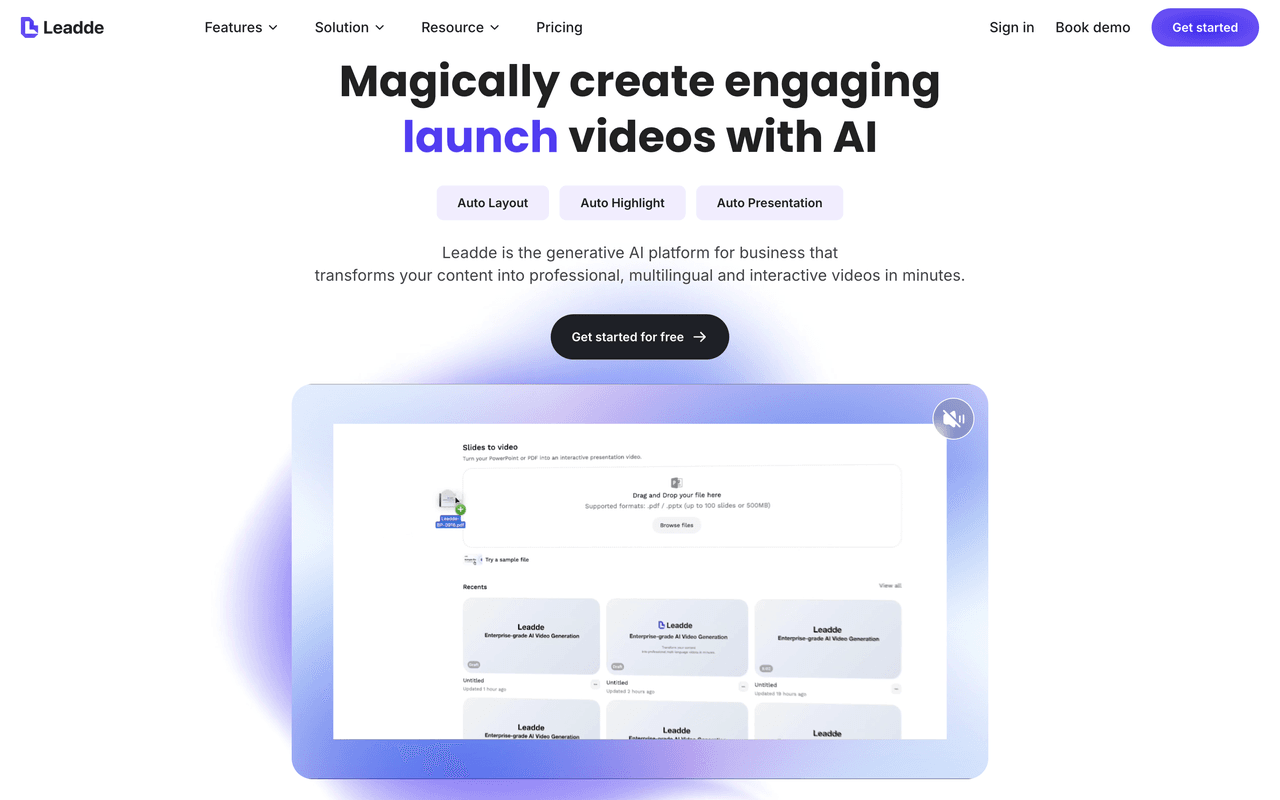
Instead of hiring actors for every small update, you can now turn static pitch decks or product brochures into professional, presenter-led promotional videos in minutes.
The real magic happens when you stop viewing video as a one-time event and start treating it as a dynamic asset. With Leadde, you can instantly regenerate content to test different hooks or localize your message for global markets without the "Hollywood" price tag.
This shift from static production to AI-driven iteration ensures your promotional videos remain relevant and high-converting long after a traditional commercial would have gone stale.
1. Why is the Evolving Video Landscape Blurring the Lines?
The modern digital era has fundamentally shifted how businesses approach video production and visual storytelling. Traditionally, a sharp divide existed between the high-end artistry of cinematographers and the practical output of videographers.
Today, advanced AI platforms like Leadde have bridged this gap by providing professional-grade tools to every marketing department.
How Technology Blurs the Role of Content Creators
Advancements in automated editing and scene generation allow non-experts to produce results that once required entire film crews. This democratization of technology means the focus has shifted from technical hardware to the strength of the underlying narrative.
Modern teams now leverage these capabilities to maintain a consistent visual presence across multiple channels simultaneously.
- AI Scene Generation: Tools now automatically convert raw scripts into structured visual layouts without manual intervention.
- Accessible Quality: High-definition avatars and synthetic voices replace the need for expensive studio bookings and lighting setups.
- Rapid Iteration: Marketing teams can update visual elements instantly based on real-time platform feedback rather than starting from scratch.
These innovations ensure that high-quality storytelling is no longer a luxury reserved for massive advertising budgets.
Why Both Formats Remain Essential to Your Marketing Ecosystem
Despite their technical differences, both commercials and promotional videos share a common goal of enhancing business visibility. They act as integrated components of a broader strategy that includes social media, email marketing, and web presence.
Effective brands treat these videos as complementary assets that guide a lead through different stages of the buyer journey.
- Visual Representation: Both formats aim to elevate the perceived value of a product or service through professional imagery.
- Brand Consistency: Whether a short ad or a long promo, the visual tone must remain aligned with the core brand identity.
- Strategic Growth: Every video serves to expand audience reach and foster deeper connections with potential customers.
2. What is the Difference Between Commercial and Promotional Video in Strategy?
Strategic intent defines the architecture of your video content and dictates how you allocate your resources.
While a commercial video focuses on the broad "feeling" of a brand, promotional videos dive into the practical "why" behind a purchase.
Choosing the wrong strategy can lead to audience confusion and inefficient spending during major campaigns.
The Narrative Focus of High-Impact Commercials
A commercial functions as a "mini-movie" that prioritizes emotional resonance and long-term brand polishing. These productions often rely on scripted narratives and professional actors to create a memorable cultural footprint.
The goal is not just to sell a product but to define the brand's place in the consumer's life through high-concept storytelling.
- Emotional Hook: Commercials use inspiration or humor to build an immediate psychological bond with the viewer.
- Brand Polishing: Every frame is meticulously curated to project an image of prestige and professional excellence.
- Targeted Persuasion: The messaging is often punchy and direct, designed to drive immediate action or top-of-mind awareness.
Creating Interactive Value with Promotional Videos
In contrast, promotional videos serve as educational tools that focus on information exchange and viewer interaction. They are the ideal format for explaining complex services or providing deep dives into product functionality.
Leadde enhances this format by allowing viewers to interact directly with the content, transforming passive viewing into a conversational experience.
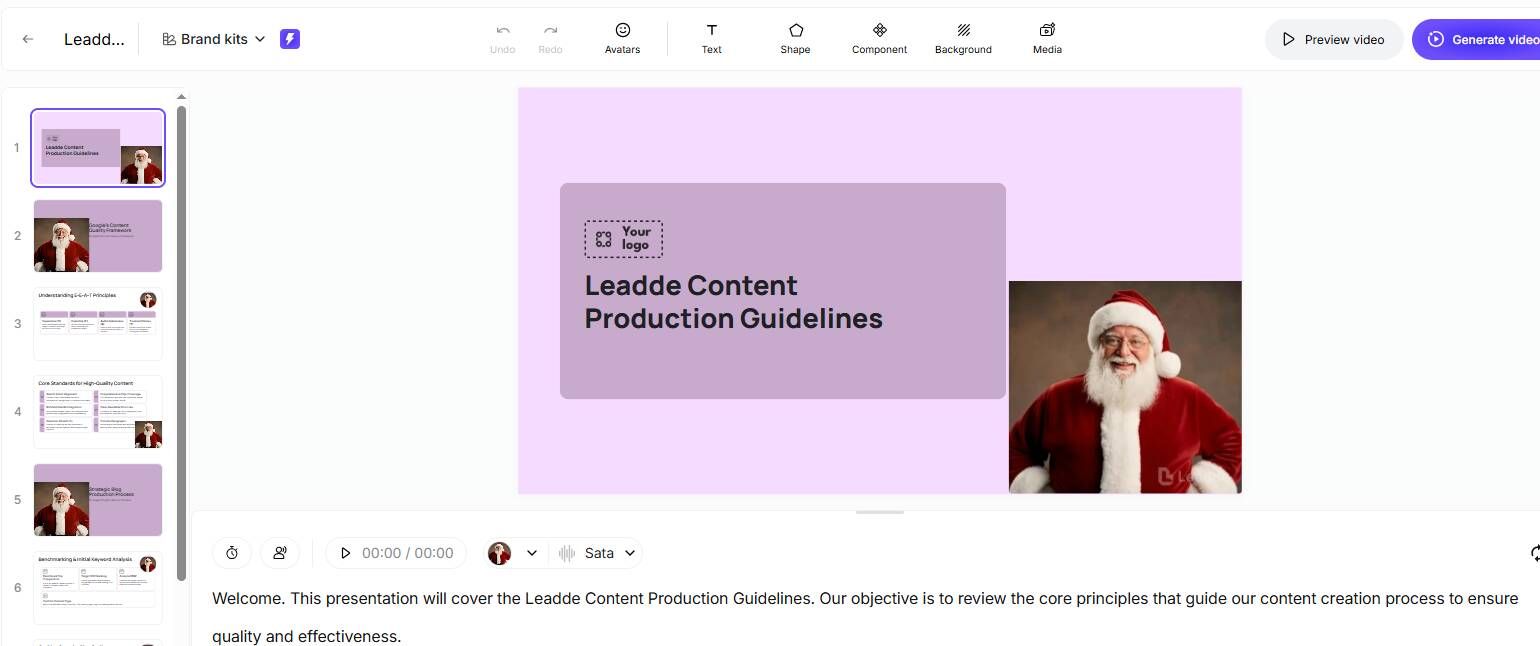
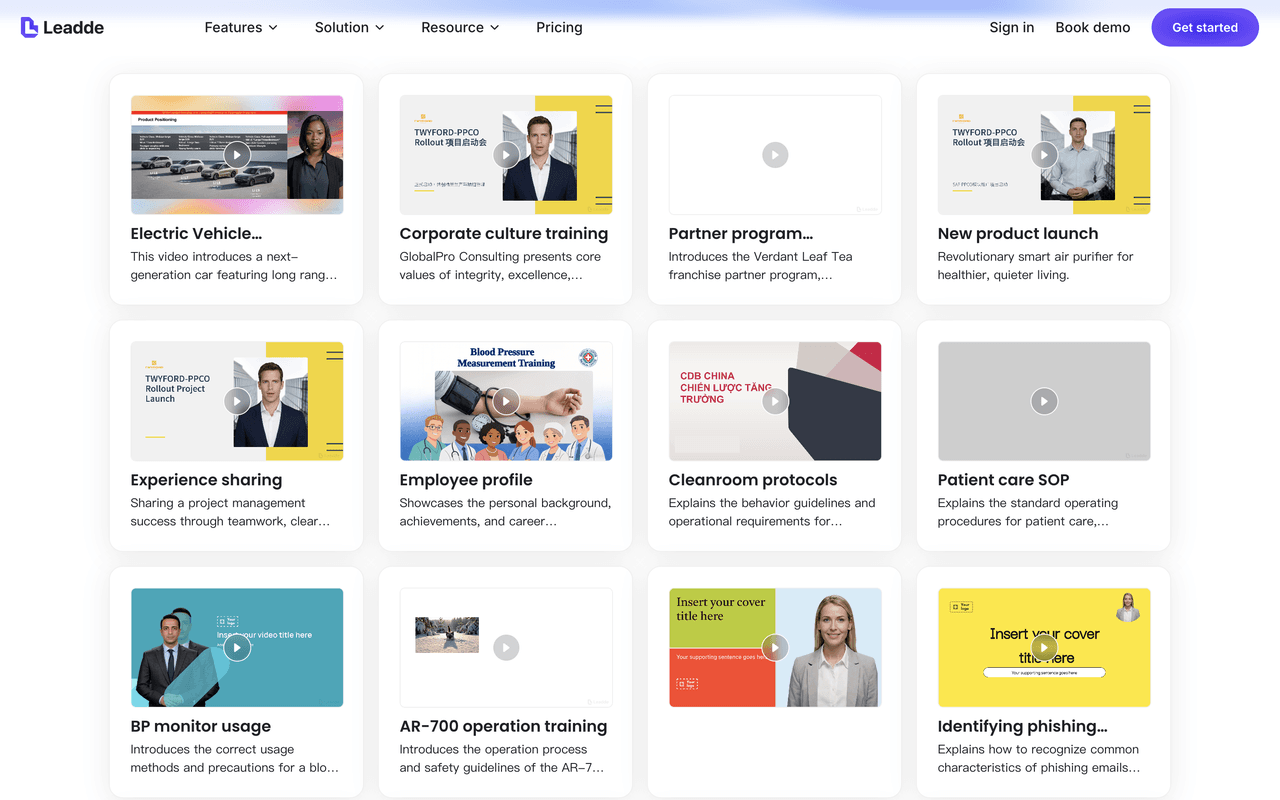
The AI Video Creator within Leadde is specifically optimized for this strategic need. It enables users to upload complex PDF or Word documents and automatically generate structured video outlines. This process ensures that detailed information remains engaging and easy for a global audience to digest.
| Feature | Commercial Strategy | Promotional Video Strategy |
|---|---|---|
| Primary Goal | Brand Polishing & Awareness | Education & Engagement |
| Core Message | Emotional & Persuasive | Informative & Detailed |
| Viewer Action | Immediate Brand Recall | Understanding & Interaction |
| Narrative Style | Scripted Storytelling | Educational Instruction |
This strategic breakdown helps marketing leaders determine which format best serves their current quarterly objectives.
3. How Do Production Styles and Authenticity Vary Between the Two?
The production process reveals the most striking differences between these two video formats. High-budget commercials require meticulous planning and controlled environments to ensure a polished look.
In contrast, promotional videos often capture spontaneous moments to build genuine trust with the audience.
The Scripted Precision of Commercial Filmmaking
Professional commercials resemble high-end film productions with complex technical requirements. Directors use detailed scripts and professional actors to convey a specific brand message. Every lighting setup and camera angle undergoes rigorous testing before the final shoot.
- Controlled Environments: Studios provide the perfect backdrop for high-concept storytelling and brand imagery.
- Professional Actors: Experienced performers ensure that every line delivery matches the intended emotional tone.
- Technical Excellence: Advanced equipment captures high-resolution visuals that define a premium brand identity.
This structured approach ensures that the final advertisement meets the highest industry standards. Such precision helps brands maintain a prestigious image in competitive markets.
Embracing Spontaneity in Promotional Content
Authenticity drives the success of modern promotional videos across digital platforms. These videos often adopt a "fly on the wall" style to document real interactions. Using actual employees or customers creates a relatable connection that scripted ads often lack.
- Real Locations: Filming in actual offices or job sites enhances the sense of transparency.
- Unscripted Interviews: Natural conversations provide deep insights into product benefits and user experiences.
- Organic Pacing: The flow remains flexible to accommodate the natural rhythm of a real-world setting.
A focus on real-world application makes these videos highly effective for educational purposes. Viewers appreciate the honest representation of a brand's daily operations.
Maintaining Professionalism Without the Film Crew
Innovative technology now allows businesses to achieve studio-quality results without a physical crew. Leadde offers over 200 realistic AI Avatars that serve as professional presenters.
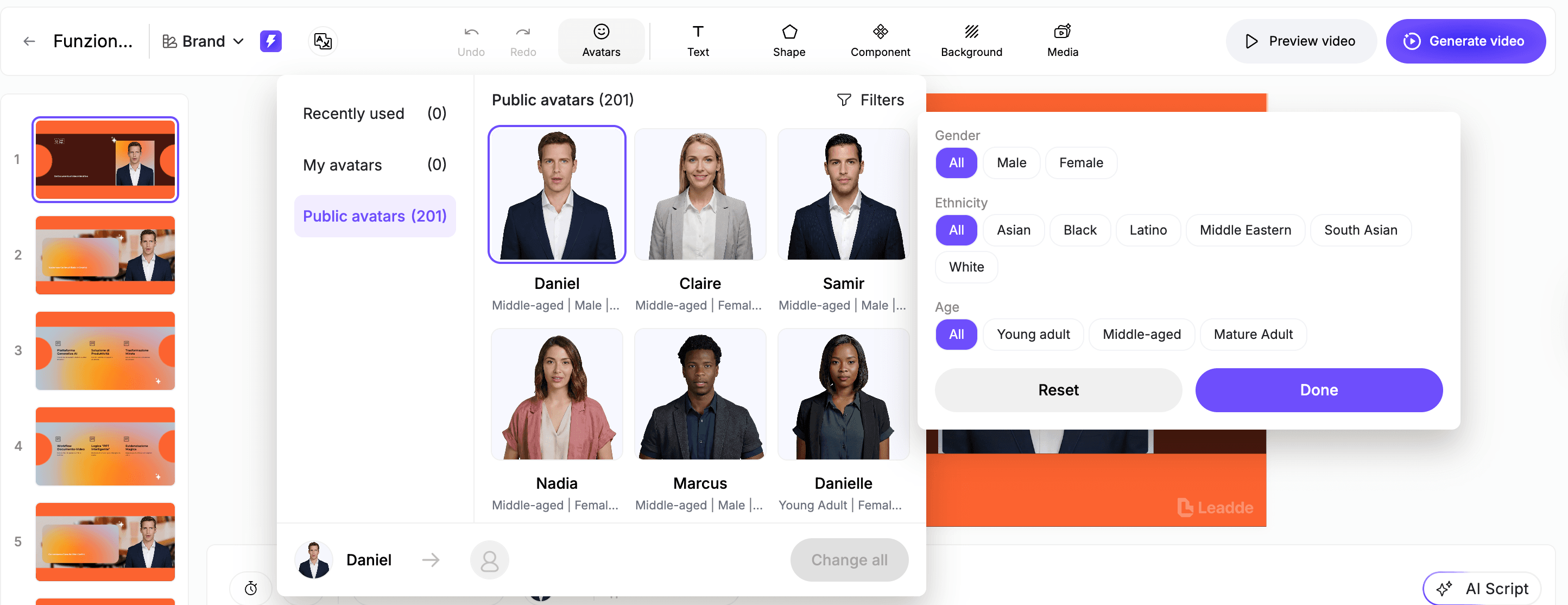
These digital humans deliver scripts with perfect clarity and engaging facial expressions.
- Personalized Avatars: Users can upload a photo to create a custom digital likeness.
- Expressive Movements: The Expressive IV Engine generates natural body language and head movements.
- Consistent Quality: Every scene maintains a uniform visual style across the entire video project.
By removing the need for physical shoots, marketing teams save significant time and resources. This efficiency allows for more frequent content updates to match evolving market trends.
4. How to Evaluate the Cost, Longevity, and Reach of Your Video?
Marketing leaders must consider the total lifecycle of their video assets when planning budgets. While a commercial serves a specific campaign goal, promotional videos offer long-term utility across various channels. Understanding these economic factors ensures a better return on your creative investment.
Comparing Upfront Investment and Long-Term Value
The financial commitment for a commercial often includes high fees for talent and location rentals. These costs make it difficult to justify frequent changes once the production is complete. Digital promotional videos typically require a lower initial investment and offer greater flexibility.
- Scalable Production: AI tools enable teams to create multiple video versions for different platforms.
- Reusable Assets: Scenes and graphics can be repurposed for future projects to save costs.
- Low Maintenance: Updating a script no longer requires an expensive return to the film studio.
This cost-effective model supports a more agile marketing strategy for growing brands. Continuous optimization becomes possible without straining the annual production budget.
Strategic Distribution for Maximum Audience Reach
Effective distribution depends on matching the video format to the right platform. Traditional commercials dominate high-traffic areas like television and major digital ad networks. Meanwhile, promotional videos thrive on social media and corporate websites where engagement is high.
- Search Optimization: Detailed video content helps improve website rankings and attracts organic traffic.
- Social Sharing: Engaging promos are more likely to be shared across professional networks like LinkedIn.
- Direct Interaction: Viewers can ask questions and receive instant responses within interactive video players.
Choosing the correct channel ensures that your message reaches the intended target audience. Proper placement maximizes the impact of every second of footage.
Global Expansion Through Automated Multilingual Content
Expanding into international markets requires localized content that resonates with diverse cultures. Leadde simplifies this process by supporting 89 languages and 175 unique dialects. This capability allows brands to transform a single video into a global campaign instantly.
- Accurate Voiceovers: AI voices provide natural accents that sound like native speakers.
- Localized Scripts: The AI script editor helps refine translated content for specific regional audiences.
- Unified Branding: The visual identity remains consistent while the spoken language changes for each market.
Global reach is now accessible to businesses of all sizes through intelligent automation. High-quality promotional videos can speak to audiences in their own language without huge translation fees.
5. Which Type Fits Your Specific Marketing Funnel and Goals?
Choosing the right format depends on your specific marketing objectives and funnel position. Knowing what is the difference between commercial and promotional video optimizes resource allocation. This strategic alignment ensures your visual content drives the intended business results effectively.
High-impact commercial ads work best for building broad awareness at the top. Conversely, promotional videos drive deeper engagement and conversions in the middle stages. Selecting the appropriate style allows brands to meet their audience with the right message.
Mapping Video Types to Your Sales Funnel
Strategic goals dictate the complexity and tone of your visual assets. A commercial polished for brand prestige captures attention during the initial discovery phase. Meanwhile, detailed promotional videos provide the necessary evidence for final purchasing decisions.
- Brand Awareness: Use a short, high-energy commercial to introduce core brand values.
- Customer Education: Deploy informative promotional videos to explain specific product benefits.
- Sales Conversion: Utilize interactive demos to resolve final objections from potential buyers.
Effective campaigns align content style with the current intent of the user. This ensures the message resonates without overwhelming the viewer with unnecessary details.
Integrating Video into a Multi-Channel Strategy
Visual content performs best when integrated into a larger marketing ecosystem. A standalone commercial rarely generates a complete sale without supporting social media or print materials. Success requires a unified approach across every touchpoint in the customer journey.
Leadde provides the necessary Version Control to keep all video assets updated. Marketing teams can synchronize their messaging across digital and offline channels with ease. This consistency builds trust and reinforces the core brand identity effectively.
Continuous optimization relies on Leadde's rapid iteration capabilities. When your external analytics show a drop in engagement, Leadde allows for instant updates based on real-world performance. These insights help teams refine their promotional videos in minutes to maximize results, ensuring content never goes stale.
Exploring Versatile Variations of Promotional Content
The term promotional videos encompasses a wide variety of specific content types. Understanding these sub-categories helps businesses target their messaging more precisely. Each variation serves a unique purpose within the overarching communication strategy.
- Explainer Videos: These focus on simplifying complex concepts through clear visual storytelling.
- Customer Testimonials: Social proof builds credibility by showcasing real-world success stories.
- Internal Training: Educational promos improve knowledge retention for global teams and partners.
The Slide Presenter feature in Leadde is perfect for creating these informative assets. It transforms static PowerPoint presentations into dynamic, presenter-led videos in minutes. This tool enables organizations to produce high-value content at a professional scale.
Conclusion: How to Craft Your Winning Video Production Narrative?
Navigating the landscape of digital content requires a clear understanding of your primary objectives. Recognizing what is the difference between commercial and promotional video acts as a prerequisite for avoiding wasted resources and misaligned budgets.
By selecting the right format for your specific stage in the marketing funnel, you ensure that every second of footage contributes to your overall business growth.
Choosing between these two powerful mediums involves evaluating five essential criteria to determine the best fit for your brand. While both contribute to a healthy marketing ecosystem, they offer distinct advantages in execution and outcome:
- Primary Goal: Commercials focus on high-end brand polishing and immediate awareness, while promotional videos prioritize education and long-term engagement.
- Production Style: A commercial often demands a scripted, "mini-Hollywood" environment with actors, whereas promos thrive on authenticity and unscripted, natural interactions.
- Content Length: Commercials are traditionally short and punchy (15–30 seconds), while promotional videos take the time to dive deeper into product features and service details.
- Distribution Channels: Paid ad networks and television suit commercials, but digital platforms like social media and corporate websites are the ideal homes for promotional content.
- Cost Efficiency: High upfront investments define commercial shoots, whereas AI-driven tools make promotional videos a far more cost-effective and scalable asset.
Strategic success comes from treating video as a dynamic and iterative asset rather than a one-time production event.
Leadde empowers organizations to bridge the gap between high-quality output and operational efficiency. With the ability to transform static documents and presentations into professional narrations instantly, your team can maintain a consistent global presence without the overhead of traditional film crews.
Ready to elevate your visual strategy with intelligent automation? Explore how the Slide Presenter can breathe life into your existing decks, or use the AI Video Creator to turn complex files into engaging, interactive content.