
English to Arabic Video Translator
Take your English videos to Arabic-speaking MENA and Gulf audiences. Leadde's English to Arabic video translator rebuilds the voiceover, subtitles, and on-screen text in natural Arabic, with optional lip sync for a region-ready cut.
Image
Video
PPT
Drag and drop your video here
Supported formats: .mp4, .mov, .webm (max 5 GB, 30 min)
Select up to 10 target languages
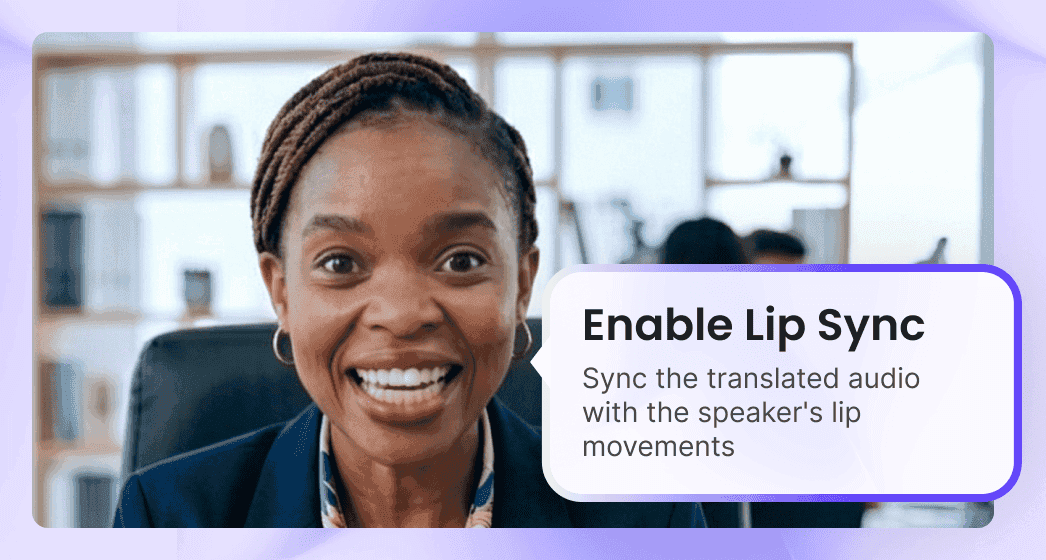
Enable Lip Sync
Trusted by Teams Worldwide







See the Difference: Before vs. After
An English brand film becomes an Arabic-ready cut — voice, timing, and subtitles aligned.
Why Leadde Is the Best English to Arabic Video Translator
Reach the MENA & Gulf Market
Open your English content to Arabic-speaking audiences across the GCC, Levant, and North Africa without reshooting.
Modern Standard or Regional Arabic
Output in Modern Standard Arabic or pick a regional dialect such as Egyptian, Saudi, or Emirati for the right audience fit.
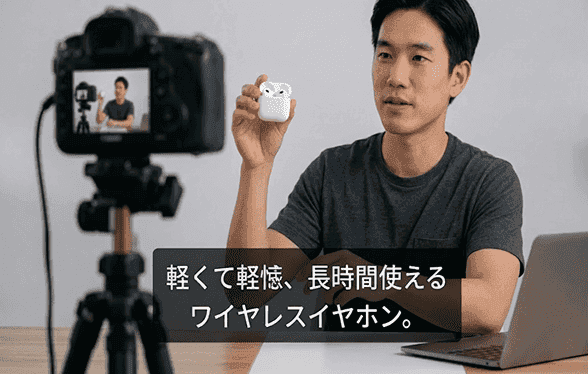
Your Voice, Now in Arabic
Leadde preserves the speaker's tone and delivery, so the Arabic voiceover still sounds like the original English presenter.
Right-to-Left Subtitles Done Right
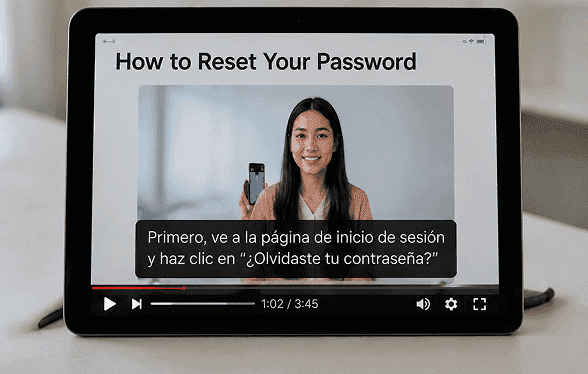
Generate aligned Arabic subtitles that render correctly right-to-left and stay readable across devices.
English to Arabic Video Translation Built for the Gulf
From e-learning to product launches, turn English clips into Arabic your MENA viewers understand instantly.
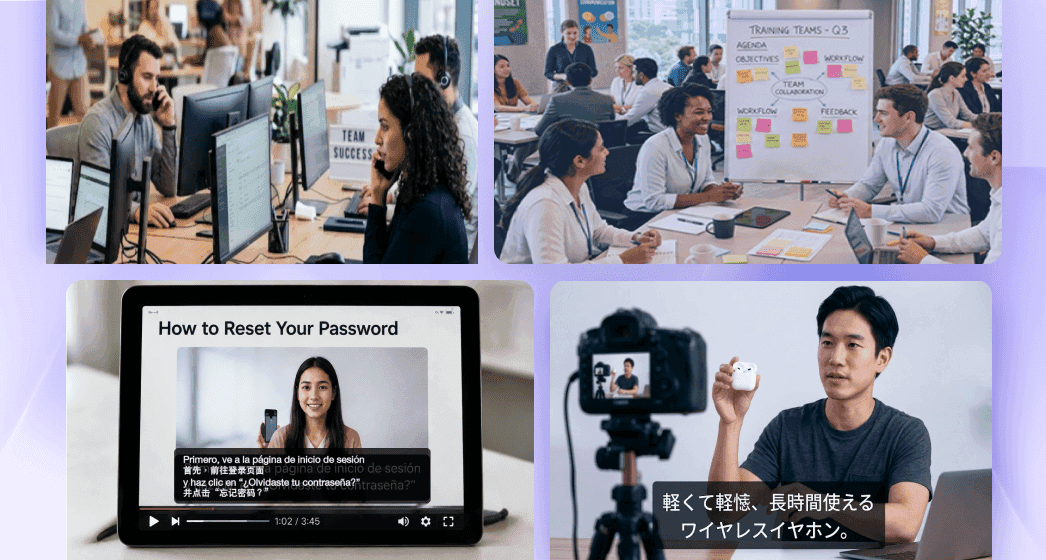
Corporate & Compliance Training
Localize English SOP and compliance videos into Arabic for Gulf and regional teams.
E-learning & Universities
Translate English courses into Arabic for students across the Arab world.

Retail & E-commerce
Localize English product videos into Arabic for Noon, Amazon.ae, and Gulf shoppers.
Government & Public Sector
Adapt English public-information videos into Arabic for national campaigns.
Hospitality & Real Estate
Convert English property and hotel tours into Arabic for Gulf buyers and guests.

Brand & Product Launches
Localize English launch films into Arabic to reach GCC customers in their language.
How to Translate an English Video to Arabic in 3 Steps
Localize an English clip for Arabic audiences in minutes — your original stays untouched as a separate draft.
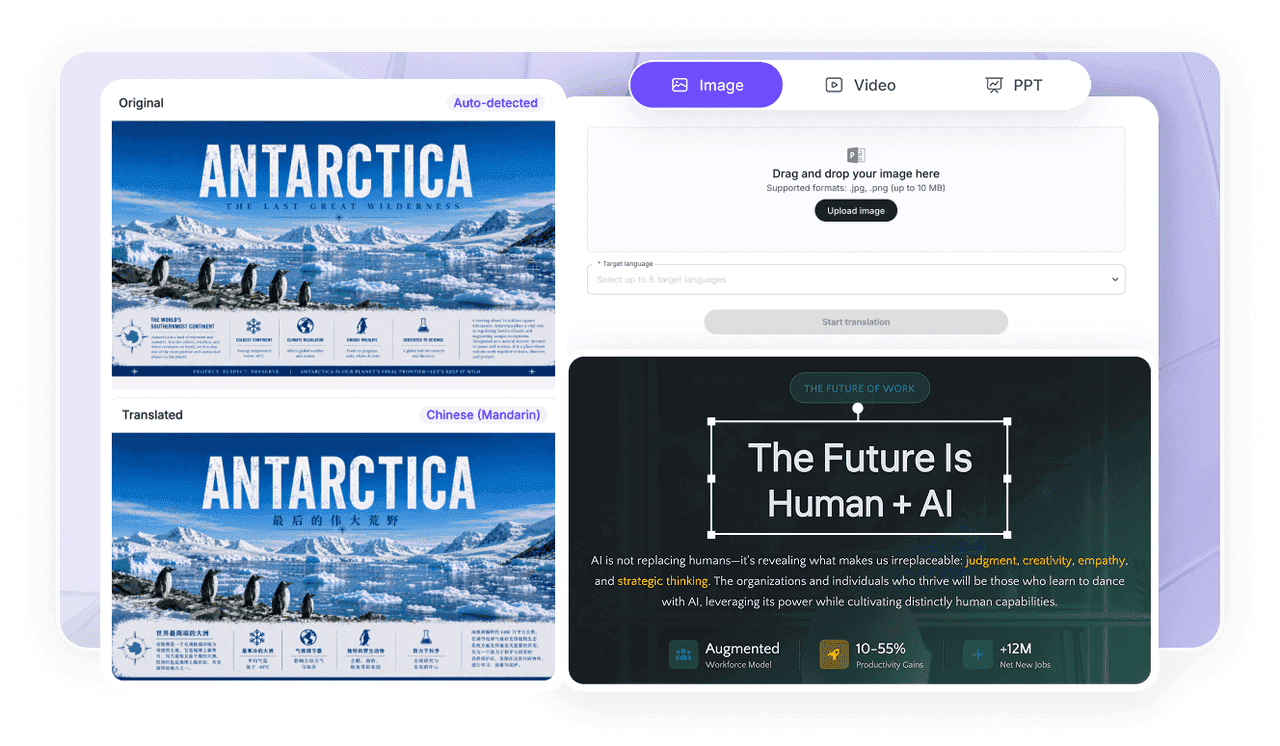
1) Upload
Upload your English video with clear speech; Leadde accepts .mp4, .mov, and .webm up to 5 GB or 30 minutes.
2) Set English → Arabic
Choose English as the source and Arabic as the target, then pick voiceover, subtitle, and optional lip-sync options.
3) Preview & Export
Review the Arabic cut, fine-tune timing, and export in high quality while your English original stays intact.

Enterprise English to Arabic Localization
Standardize terminology and review across teams localizing English video libraries into Arabic at scale.
Batch Translation
Translate large English video libraries into Arabic in bulk with standardized voice and subtitle settings.
Review & Collaboration
Keep terminology and brand voice consistent as teams ship Arabic versions across regions.
Information Protection Zone
Protect sensitive content with access control and privacy-first processing built for enterprise.
Security & Compliance
Support GDPR and SOC 2 compliance with secure data handling, privacy-first workflows, and enterprise-grade access controls.
More Translation Tools
English to Arabic Video Translation FAQs
It converts the spoken English, subtitles, and on-screen text in a video into Arabic. Leadde rebuilds the voiceover in Arabic, optionally re-syncs lip movement, and saves the result as a new draft.
Yes. Output in Modern Standard Arabic or a regional dialect like Egyptian, Saudi, or Emirati, drawing on support for 88 languages and 175 dialects.
Yes. Leadde lays out Arabic subtitles right-to-left and aligns them to the voiceover so they read naturally.
Leadde preserves tone and delivery, so the translated Arabic voiceover still sounds like the original English presenter rather than a flat machine read.
You can upload .mp4, .mov, or .webm files up to 5 GB or 30 minutes per clip, then translate the whole video in one run.
Your files are processed securely, and Enterprise teams can add access controls through the Information Protection Zone, backed by GDPR and SOC 2 practices.
Meet Leadde
A smart platform for business video creation and content translation. Create, edit, translate, and publish in one workflow.