
Leadde Logo

Best Practices for Protecting API Keys and Access Tokens

Overview of API key risks, common mistakes, secure storage techniques, least privilege principles, and key rotation strategies.
LBy Leadde Updated August 18, 2026

What Happens When an API Key Leaks

A leaked API key is used almost immediately. Automated scanners watch public repositories continuously, and one commit containing a key is typically found and tried before the developer has finished the pull request. The key does not need to survive into the final code, because it only needs to exist somewhere in the commit history.

That history point is where most developers are surprised. Removing a key in a later commit changes nothing, the repository still contains it, and a force-push to rewrite history rarely happens fast enough. The assumption that a private repository is safe fails the same way, because repositories change visibility and forks outlive their parents. One thing to keep off screen is any real credential, including expired ones and screenshots of a console showing a partially masked value.

The practice is laid out over seven scenes: one on how keys are found, one on the history problem, two on scoping and least privilege for tokens, one on where secrets should actually live, one on rotation and what a rotation plan must include, and one on what to do in the first hour after a suspected leak.
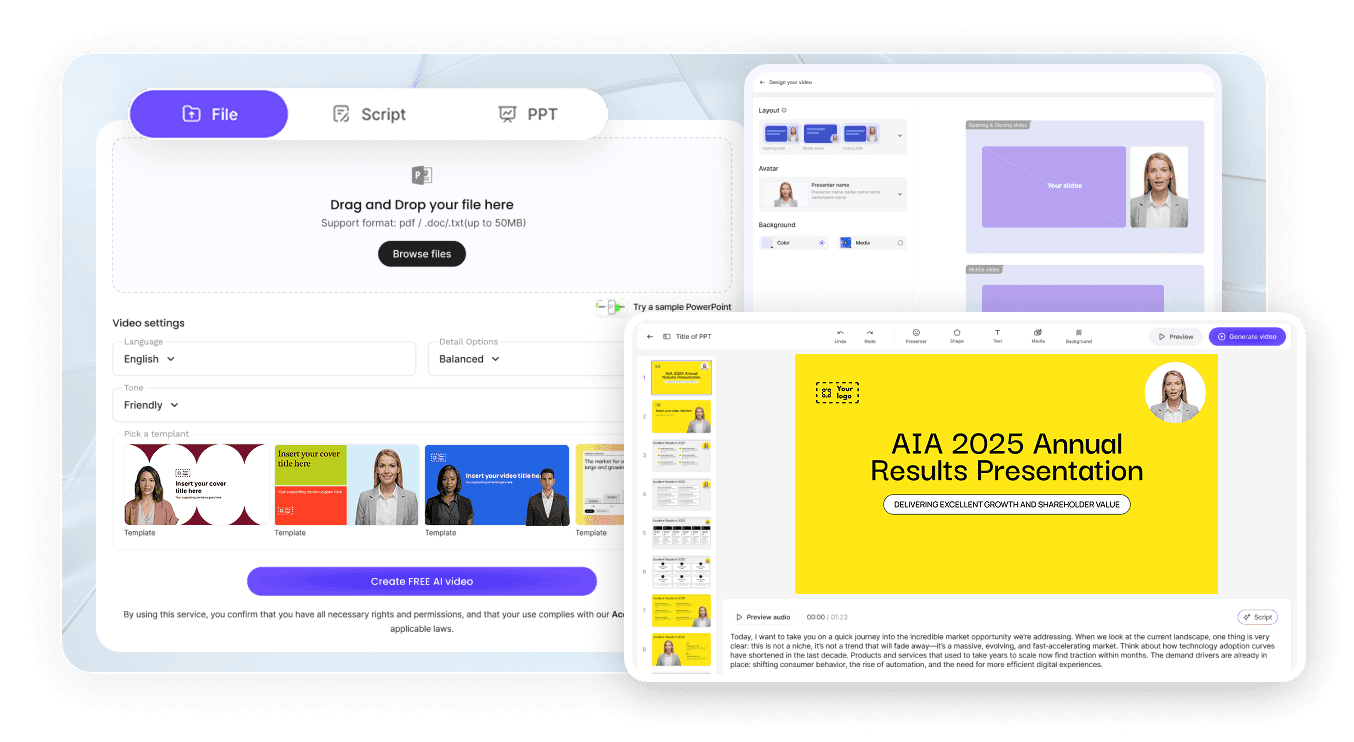

How to Turn a Secrets Policy Into Something Developers Follow

Every engineering organisation has a secrets policy, and keys still end up in repositories. The gap is that the safe path usually costs a developer twenty minutes on a Friday and the unsafe one costs nothing. Content that does not address that trade-off is decoration.

Show the scan finding it, with a clock

Show the scan finding it, with a clock

Seeing an automated finding land minutes after a push does more than any statement about risk. The speed is the argument.

Make scoping concrete rather than principled

A read-only key limited to one resource and one environment is a specific artefact. Least privilege as a concept produces a key with full access and a good intention attached.

Give rotation a trigger list, not a schedule

Keys rotate when someone leaves, when a laptop is lost, when a vendor is offboarded, and on a fixed interval. Teams that only have the interval discover the other three during an incident.

Cover the first hour after a leak

Revoke before investigating. Developers delay revocation because they fear breaking production, and that delay is what turns an exposed key into an incident.

Everything needed is in the secrets standard

Upload the secrets management standard, the developer onboarding guide, or the post-incident review from the last exposure as PDF, DOC, DOCX, PPTX, or TXT, up to 200 MB. Every scene returns editable, and the upload is untouched.

Rotate the Key Before the Repo Goes Public

Start from the secrets management standard your platform team publishes; everything stays editable right up to the next developer intake.

avatar

Start With This Template. Finish With a Video Ready to Share.

Add your onboarding guide or help-center pages and generate an editable draft in minutes.