
Leadde Logo

How eSIM Activation Works

Explains the definition of eSIM, the digital profile downloading process, and its main benefits and dependencies.
LBy Leadde Updated August 19, 2026

What Happens During an eSIM Activation

Activating an eSIM downloads a carrier profile onto a chip already soldered into the phone. The customer scans a QR code or taps a carrier link, the device requests the profile from the carrier's provisioning server, and the profile installs and registers on the network. Nothing physical is inserted, and it usually finishes in under two minutes.

That holds only on a working connection, and two dependencies cause almost every failed activation: the phone must be carrier-unlocked and eSIM-capable, and it needs an internet connection at the moment of download — which the customer often does not have, because they are switching away from the SIM that was providing it. Any explanation that skips those two conditions generates the support call it was meant to prevent. The one thing to withhold is the provisioning architecture: SM-DP+ servers and profile states are correct, and mean nothing to the person holding the phone.

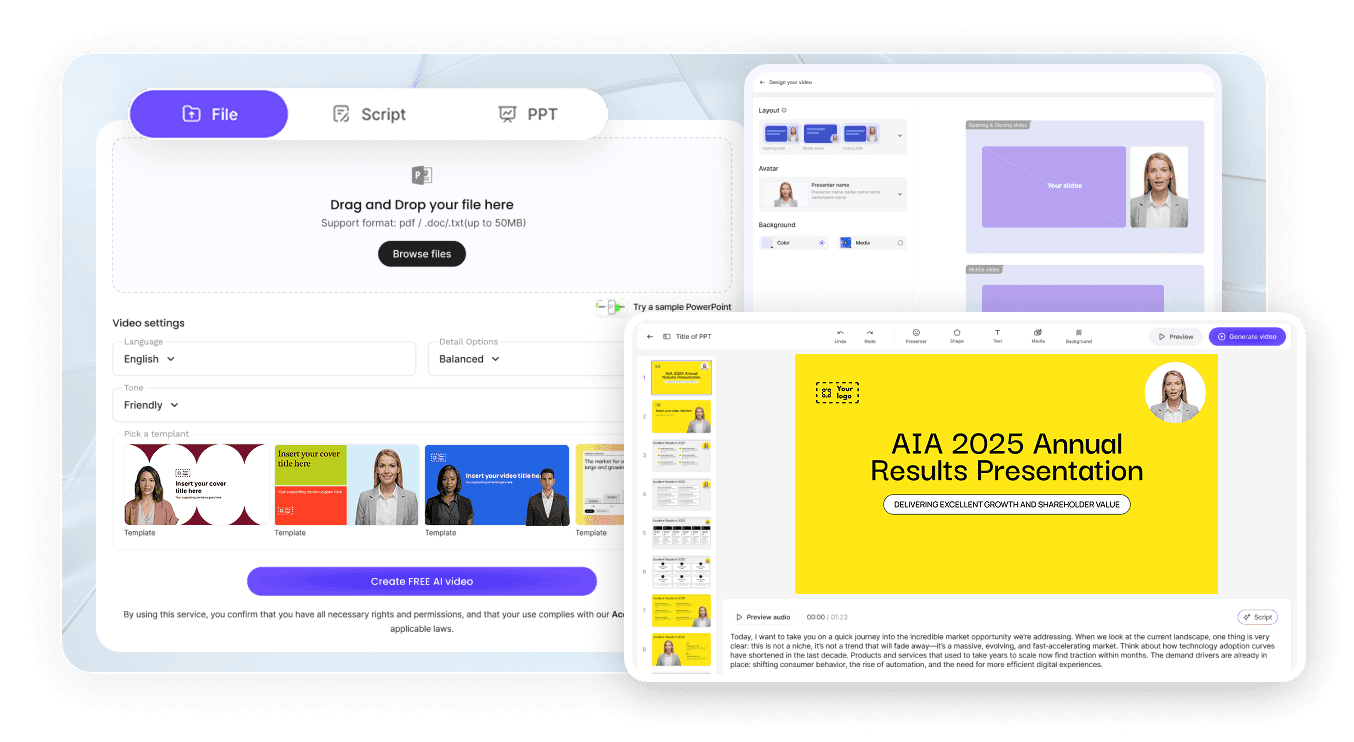
This template covers activation in six scenes: one defining what an eSIM is against the plastic SIM it replaces, one on the two prerequisites, two walking the download and install steps, one on the three failures that account for most tickets, and one on how to switch back or transfer to a new device.

How to Explain Activation Without Creating Support Tickets

A self-serve activation video is measured by one number: how many customers finish without contacting anyone. The failure mode is not confusion about eSIM as a concept — it is a customer stuck two steps in, on a phone with no data, holding a QR code that has already been used once.

Put the prerequisites before the first step

Put the prerequisites before the first step

Checking that the phone is unlocked and eSIM-capable takes one scene and prevents the most expensive failure, which is a customer who has already removed their working SIM.

Warn that the QR code is single-use

Most codes install once. Customers scan them to "check" before they are ready, burn the code, and then need a replacement. A single sentence in scene four removes a whole ticket category.

Solve the no-connection trap explicitly

Tell the customer to complete the download over Wi-Fi before removing the old SIM. This is the single most common cause of a stalled activation and almost never appears in written guides.

Show the device-transfer path in the same video

The second question always arrives within the month: what happens when I upgrade my phone. Covering transfer here means one video instead of two, and one link for the support team to send.

Reuse the guide your support team already sends

Upload the activation guide, the help-centre article, or the welcome pack you send with a new plan. Any of PDF, DOC, DOCX, PPTX, or TXT works, to 200 MB. Scenes arrive editable; nothing writes back to the upload.

Send It With the Activation Code, Not After the Call

Take the activation guide your support team already sends, edit what comes back, and have it out before the next batch of eSIM orders ships.

avatar

Start With This Template. Finish With a Video Ready to Share.

Add your onboarding guide or help-center pages and generate an editable draft in minutes.