
Leadde Logo

New Barista Onboarding: Daily Shift Workflow

Comprehensive guide on barista shift operations, covering station preparation, order taking accuracy, espresso bar recipe standards, team communication, and closing checklists.
LBy Leadde Updated August 27, 2026

How a Shift Behind the Bar Actually Runs

A barista shift is three overlapping jobs done at once: preparing and maintaining the station, taking orders accurately, and pulling drinks to a recipe that does not change between sites. The bar runs on sequence, grind through dose, tamp, extract and steam, and the espresso itself is judged against a shot time of roughly twenty-five to thirty seconds.

That last number is why cafe onboarding cannot be delivered as a list of drinks. A new barista learning recipes without the sequence produces inconsistent coffee and cannot say why, and the correction comes from whoever is on shift, which means it comes differently in every store. One thing to keep off screen is the commercial layer: supplier pricing, margin per drink, and wastage targets are management figures that do not help anyone at the bar.

The shift is set out across nine scenes: two on station preparation before service, one on the order-taking sequence and repeating back, two on the espresso standard and what a bad shot looks like, one on milk texturing, one on the handoff and calling drinks, one on maintaining the station during a rush, and one on the closing checklist.
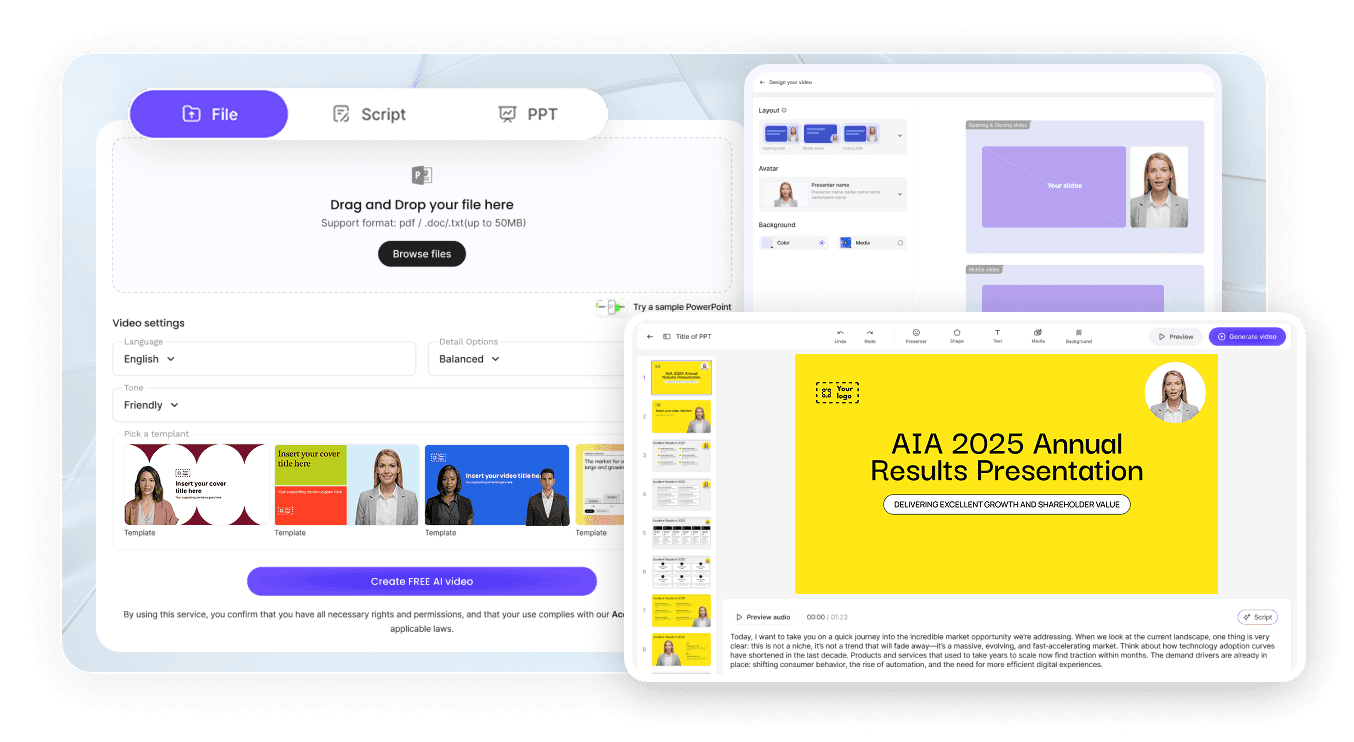
How to Cover a Whole Shift in Under Five Minutes

Cafe onboarding is frequently someone's first job, delivered in a fifteen-minute gap before a shift, on a phone. Length is the constraint that decides whether it gets watched at all, so the video has to teach the sequence and hand everything else to the bar cards.

Teach the sequence, not the drink list

Teach the sequence, not the drink list

Grind, dose, tamp, extract, steam. Every drink on the menu is a variation of that order, so teaching it once replaces teaching twelve recipes and is what a new barista can actually hold on day one.

Show one bad shot beside one good one

A gushing shot and a choked one are recognisable in three seconds each. A description of correct extraction is not, and it is the fastest self-correction tool a new barista can be given.

Make repeating the order back non-optional

Order accuracy problems are almost never the machine. Building the read-back into the order scene, rather than mentioning it, is what makes it a habit before bad habits form.

Put station maintenance inside the rush, not after it

New baristas treat cleaning as a closing task. Showing the purge, wipe, and knock-box rhythm happening between drinks is the difference between a bar that holds up at nine in the morning and one that does not.

Start from the bar standards the group already publishes

Upload the bar standards document, the opening and closing checklist, or the drink build cards as PDF, DOC, DOCX, PPTX, or TXT, up to 200 MB. Every scene returns editable, and the source file is untouched.

Making It Match Your Bar

Put your own recipe numbers in the espresso scenes

Put your own recipe numbers in the espresso scenes

Dose in grams, yield, and shot time are the three figures that define a group's coffee. Generic numbers here make the video unusable, because a barista trained on them will be corrected on their first shift.

Match the drink scenes to the menu that actually sells

Match the drink scenes to the menu that actually sells

Most groups have five drinks that make up the bulk of orders. Build the scenes around those and leave the long tail to the build cards rather than trying to cover the full menu.

Apply your brand kit before it goes to stores

Apply your brand kit before it goes to stores

Load the logo, colours, and font from Brand Kits so the induction looks like the same group as the bar cards on the wall. Training material that looks like it came from head office is treated as standard; material that looks generic gets treated as a suggestion.

Barista Onboarding FAQ

Machine and grinder first, because both need time to come to temperature and to be dialled in; then milk, cups, and the till float. Reversing it produces a bar that looks ready and pulls poor coffee for the first half hour.

Almost always dose, grind, or shot time drifting rather than the beans. A barista who has been taught the three numbers can diagnose it in under a minute; one who has only been taught the drink cannot, and will assume the machine is at fault.

Existing footage or photographs can be uploaded to My Media and dropped into a scene. Leadde does not record anything itself, so anything shot in-store has to be captured separately and then brought in.

Keep the sequence and shorten the conversation, rather than the other way round. New baristas instinctively rush the extraction and keep chatting, which produces slow, bad coffee. Naming that instinct on screen is worth more than any advice about staying calm.

Standardise the First Shift, Not the Personality

Start from The bar standards the group already publishes; everything stays editable right up to the next store opens.

avatar

Start With This Template. Finish With a Video Ready to Share.

Add your onboarding guide or help-center pages and generate an editable draft in minutes.