
Leadde Logo

New Staff Onboarding: Pet Boarding Procedures

An overview of pet boarding onboarding covering shift preparation, pet identification, feeding, cleaning, health reporting, and safe animal handling.
LBy Leadde Updated August 27, 2026

What Happens to a Dog in the First Twenty Minutes of Boarding

Intake decides how the rest of a stay goes. Staff confirm identity against the booking, check the vaccination record, log medication with doses and times, note the feeding routine and any behaviour flag, before the animal goes anywhere near a run. Two dogs with similar markings and no confirmed identity is the single error a boarding facility cannot recover from.

Everything difficult about kennel work follows from that: the animals cannot correct a mistake, and the owner is not there to notice one for a week. Seasonal staff hired for a holiday peak are often handling twenty unfamiliar animals by their third shift, which is exactly when identification and medication errors happen. What stays out of the published version is anything that identifies clients: owner names, addresses, and the contents of a specific booking should be replaced with examples before the video is issued.

The routine is laid out over eight scenes: two on intake and confirming identity against the booking, one on recording medication and feeding instructions, two on the daily feeding and cleaning cycle, one on reading body language and safe handling, one on what counts as a reportable health change, and one on handover at collection.
How to Turn an Animal Handling Rule Into Something Done at Seven in the Morning

Kennel onboarding is delivered to people who took the job because they like animals, and the hardest part of the role is administrative. Identification, medication logging, and health reporting are the tasks that decide whether the facility is safe, and they are the ones a new starter will deprioritise when a run needs cleaning.

Make double identification a physical step

Make double identification a physical step

Collar tag and kennel card checked together, out loud, every time an animal is moved. Written as a rule it is skipped; shown as a two-second action it survives a busy morning.

Put medication in its own scene with a log on screen

A missed dose and a double dose look identical in an unlogged system. Showing the log being written at the moment of administration, not at the end of the round, is what prevents both.

Teach the early warning signs, not the diagnoses

Staff are not being asked to diagnose. Off food, unusual stillness, changed toilet habits, and reluctance to move are the four observations that need to reach a supervisor the same day.

Show a refusal to handle

New staff attempt to manage an animal they should be leaving alone, because asking for help feels like failing. One scene of a handler stepping back and calling a colleague resets that expectation permanently.

Work from the boarding SOP rather than a blank script

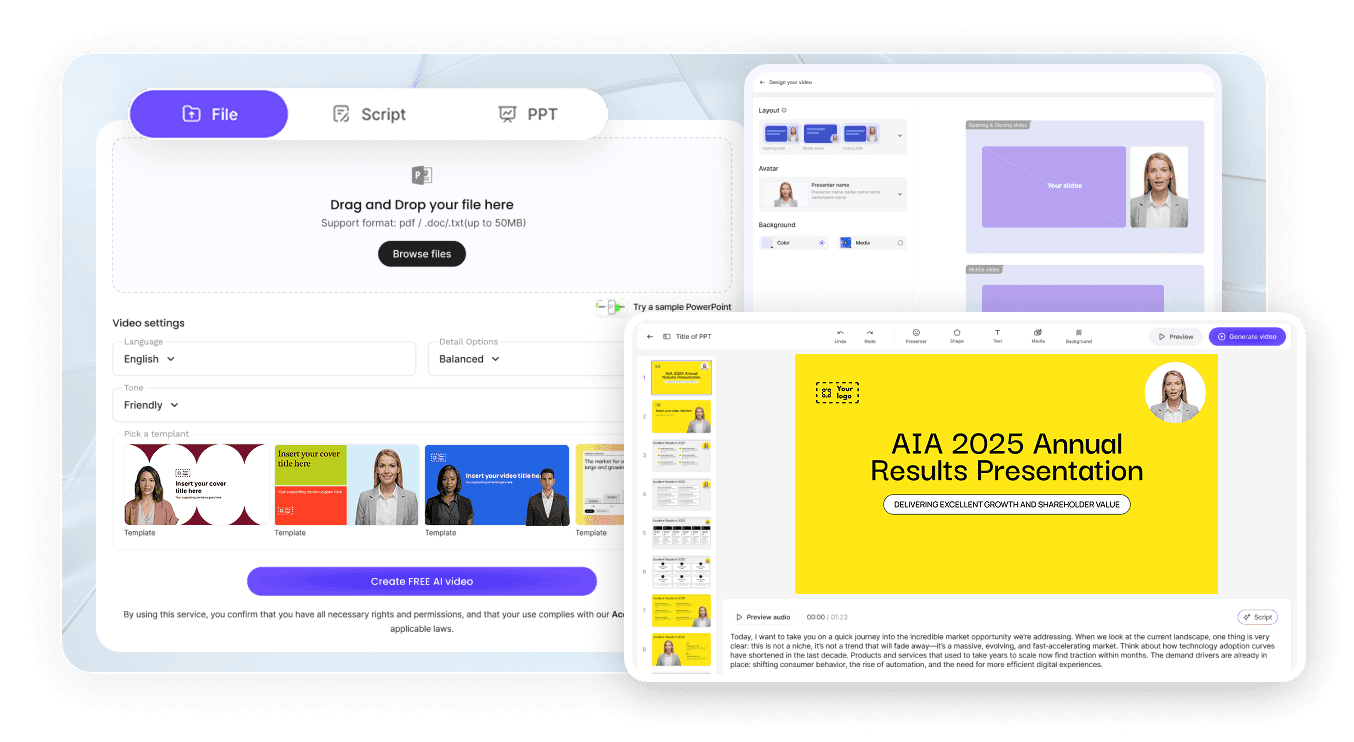
Upload the boarding SOP, the intake form and vaccination checklist, or the daily care routine posted in the kennel block — PDF, DOC, DOCX, PPTX, or TXT, to a 200 MB limit. What returns is editable, and the file itself is not altered.

Fitting It to Your Facility

Rebuild the intake scenes around your own form

Rebuild the intake scenes around your own form

The intake form is the spine of the whole procedure, and every facility captures slightly different fields. Match the scenes to your actual form so a new starter is learning the document they will use rather than a generic version.

Name your escalation route and its hours

Name your escalation route and its hours

Who is called for a suspected health problem at seven in the morning, and who at eleven at night, are different answers at most facilities. Both belong on screen, because that is the decision a lone seasonal worker will face first.

Share it with a password rather than in the open

Share it with a password rather than in the open

Boarding procedures contain enough operational detail that they should not sit on a public link. Publish to a hosted link with password protection and send that to seasonal staff, or export an HD MP4 into whatever system you already use for rotas.

Pet Boarding Onboarding FAQ

Identity against the booking, a current vaccination record, medication with doses and times written into the log, feeding instructions, and any behaviour note from the owner. All five before the run, not after, because the owner has usually left by then.

A written observation with a time, passed to a supervisor the same shift, not an assessment. The record matters as much as the escalation, because a change noticed on Tuesday and reported on Thursday is impossible to interpret afterwards.

Stop, secure the area, and call for a second handler. The instinct to persist is what causes bites during the first fortnight, and the video should give explicit permission to withdraw rather than relying on a general safety message.

Do not interpret. Contact the owner or the named emergency contact before the first dose, and record what was decided. Guessing a dose is a category of error that a boarding facility is not able to explain afterwards.

Steady the First Twenty Minutes

The boarding SOP the facility already runs on is the only input needed — rework the draft before the holiday season intake begins.

avatar

Start With This Template. Finish With a Video Ready to Share.

Add your onboarding guide or help-center pages and generate an editable draft in minutes.