
Leadde Logo

Preventing Allergen Cross-Contact in the Kitchen

Explains the definition of cross-contact, common food allergens, and essential step-by-step safety rules for preparing and labeling allergy-sensitive orders.
LBy Leadde Updated August 21, 2026

Why Wiping a Surface Does Not Remove an Allergen

Cross-contact is the transfer of an allergenic protein from one food to another, and it is not the same problem as bacterial contamination. Heat does not destroy it, a service cloth spreads it, and for some people a reaction starts at traces measured in milligrams. The controls that work are separation and replacement, not cleaning.

The quantity involved can be far below anything visible, which is why experienced kitchen staff get this wrong more often than new ones. A cook with strong hygiene habits reasonably assumes a clean surface is a safe surface, and applies a standard that works for pathogens to a problem it does not solve. What stays out of the published version is a promise of an allergen-free kitchen: a shared production space cannot guarantee absence, and a video that implies otherwise creates a liability the operation cannot meet.

This template covers the subject in seven scenes: one defining cross-contact against ordinary contamination, one on the major allergens the operation handles, two on the separation rules for boards, utensils, oil, and hands, one on the order in which an allergy ticket is prepared, one on labelling and handover to the front of house, and one on what to say when absence cannot be guaranteed.

How to Turn an Allergen Rule Into Something Done Under Service Pressure

Allergen training is delivered calmly and applied during service, and the gap between those two conditions is where it fails. The video should be built around the moments when the rule is inconvenient, because those are the only moments it matters.

Teach the ticket order, not just the rules

Teach the ticket order, not just the rules

An allergy order prepared first, on a cleared section, with fresh equipment, is a sequencing decision made when the ticket arrives. Framing it as a scheduling rule rather than a hygiene rule is what makes it survive a rush.

Name fryer oil explicitly

Shared oil is the most common cross-contact route in a busy kitchen and the one least covered by cleaning intuition. It needs its own moment on screen rather than a line in a list.

Make the handover to the front a spoken step

Most reactions traced back to service involve a plate that was prepared correctly and then described incorrectly. Teaching the verbal handover, by name and by seat number, closes the last gap.

Give staff the honest sentence for shared kitchens

"We cannot guarantee it is free from traces" is the line the operation needs and the one staff avoid saying. Rehearsing it protects the customer and the business at the same time.

Reuse the food safety documents the kitchen already runs on

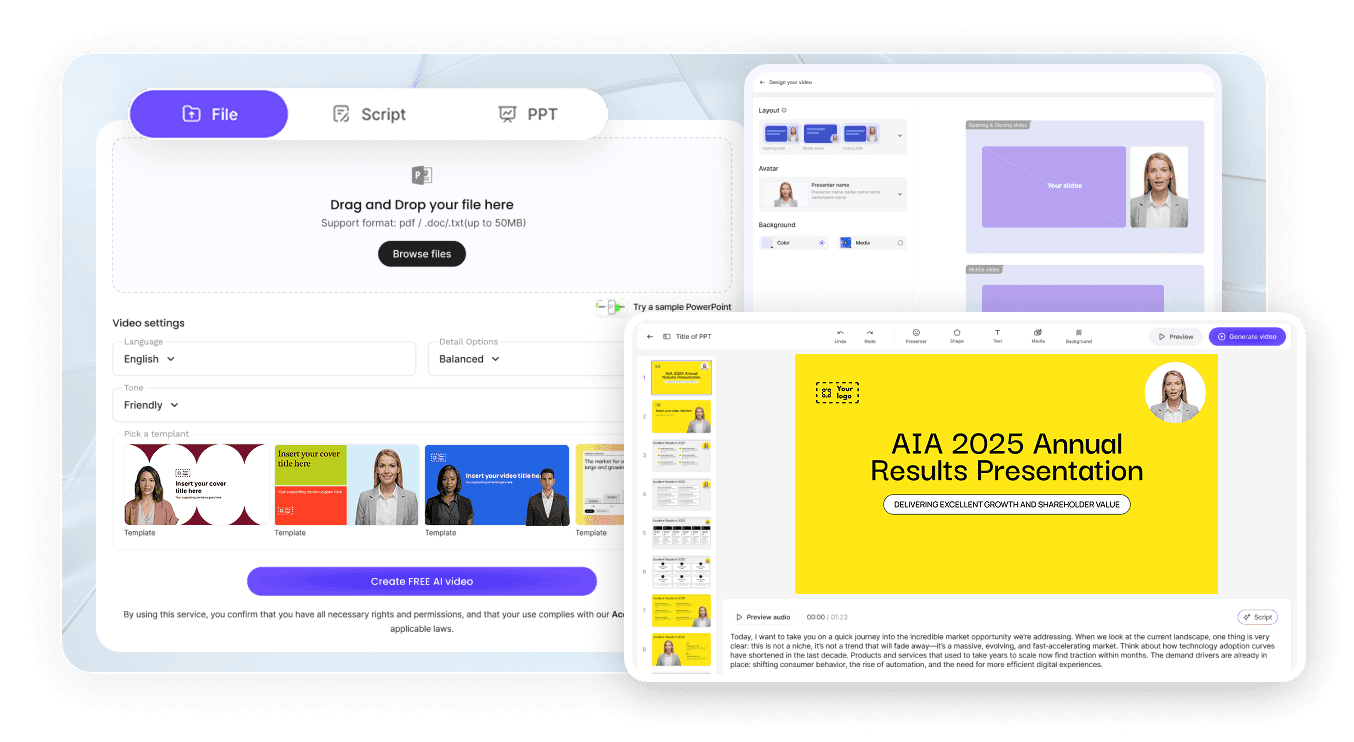
Upload the allergen matrix, the kitchen prep SOP, or the front-of-house allergy script — PDF, DOC, DOCX, PPTX, or TXT, to a 200 MB limit. What returns is editable, and the upload is not altered.

Drill the Rule That Costs Time During Service

The allergen matrix the kitchen already runs on is the only input needed — rework the draft before the next menu change.

avatar

Start With This Template. Finish With a Video Ready to Share.

Add your onboarding guide or help-center pages and generate an editable draft in minutes.