
Leadde Logo

Understanding and Defending Against Phishing Attacks

Explains how phishing attacks work, why they target human psychology, and actionable best practices for users and companies to defend against security breaches.
LBy Leadde Updated August 19, 2026

How Do Phishing Attacks Actually Work?

A phishing attack does not break a system; it borrows a relationship. The message arrives looking like one the recipient already expects — a delivery notice, a payment alert, a password reset — and asks for one action that seems small: click a link, confirm a code, approve a prompt. Everything else is timing and familiarity.

The technical part is only a convincing copy of a login page. That is why awareness material built around spelling mistakes and suspicious-looking addresses no longer helps. Modern attempts are well written, correctly branded, and often sent at the moment the recipient is genuinely expecting that message. An explanation that still teaches "look for bad grammar" gives people false confidence in a test they will pass while being defrauded. What belongs in the file rather than the frames is a live example of a working phishing page or a real malicious link, even blurred, because published material gets reused.

This template covers the mechanism in seven scenes: two on how a convincing message is assembled, two on the pressure tactics that shorten the recipient's decision, one on the checks that still work, one on the single action to take instead of clicking, and one on how to report an attempt to your organisation.

How to Make a Fraud Warning People Do Not Skip

Fraud awareness content is skipped because it feels like it is about someone else. The recipient has never been fooled, so the warning is filed as a message for the less careful. The video has to close that gap in the first fifteen seconds or none of the advice lands.

Open with the message they are waiting for

Open with the message they are waiting for

The convincing attempt is not the strange one. It is the parcel notice on the day a parcel is due. Opening there tells the viewer immediately that this is not a video about obvious scams.

Replace "look for typos" with a single verifiable action

Teach one habit instead of a checklist: leave the message, open the app or type the address yourself, and check there. It works regardless of how good the copy is.

Cover the approval prompt, not only the link

Push approvals and one-time codes are now the target, and most awareness material still stops at links. A scene on "never approve a prompt you did not start" covers the attack people are actually losing money to.

Say what happens after a mistake

People delay reporting because they expect blame, and the delay is what makes the loss permanent. One scene on the reporting route and the fact that speed matters more than fault changes reporting behaviour more than any warning.

Work from the advisory you have already published

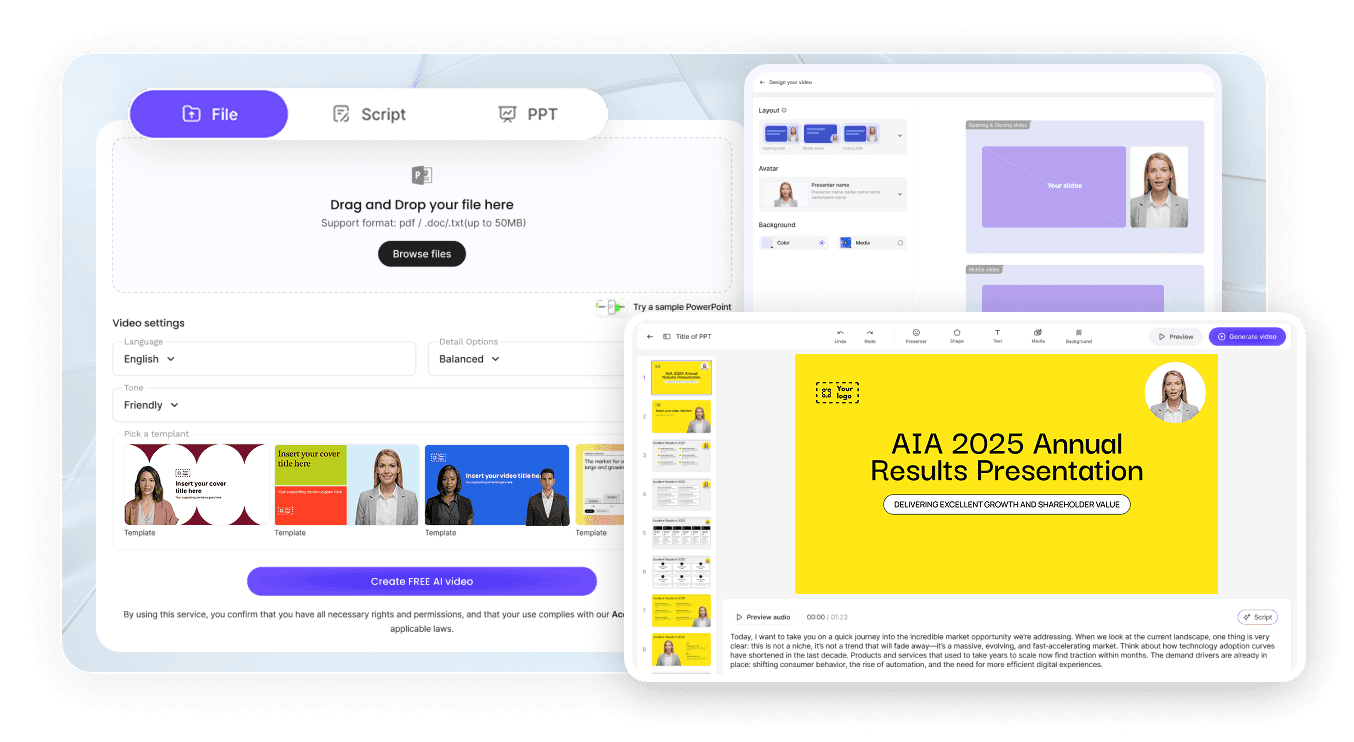
Upload the fraud advisory, the customer security page, or the branch notice you already issue. PDF, DOC, DOCX, PPTX, and TXT are accepted to 200 MB. The draft edits scene by scene; the uploaded document is not modified.

Cover the Message They Are Actually Expecting

The fraud advisory you already publish carries the content already; adjust the draft before the next seasonal scam wave.

avatar

Start With This Template. Finish With a Video Ready to Share.

Add your onboarding guide or help-center pages and generate an editable draft in minutes.