
How to Create Just-in-Time Support Videos with AI for Global Teams

To create Just-in-Time support videos with AI, upload your latest SOP or product documentation into an AI video generator. The platform automatically parses the content, generates a script, and creates a professional video with an AI avatar in minutes. These videos can be instantly deployed to help centers or embedded within the user interface to provide immediate, context-aware assistance.
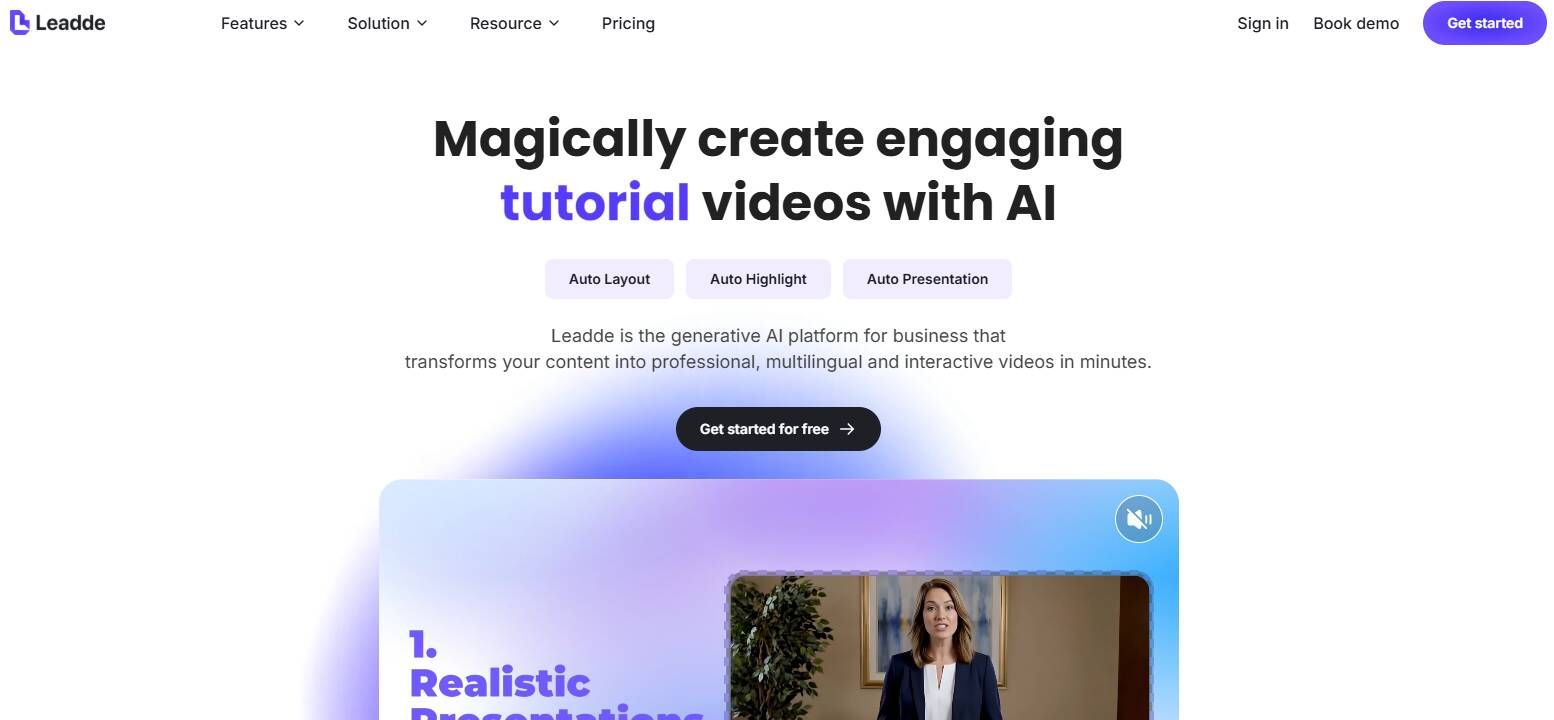
Static support documents are often ignored, leading to a surge in support tickets and user frustration. Leadde eliminates this friction by automatically turning any document into professional training videos in minutes. Save over 80% of production costs and 90% of content creation time with our interactive AI platform.
The Crisis of Traditional Support: Why JIT Video is Non-Negotiable
Modern software, platforms, and enterprise tools evolve rapidly. Features change weekly, interfaces shift, and workflows get updated continuously. In this environment, traditional support documentation cannot keep up.
Most organizations still rely on long PDFs, static help centers, and outdated knowledge bases. These formats slow down learning and frustrate users who simply want a quick answer to a specific problem.
Just-in-Time (JIT) support videos solve this issue by delivering targeted, visual guidance exactly when users need it. Instead of searching through lengthy documents, users can watch a short video explaining the precise task or solution.
For companies operating global platforms, JIT video is quickly becoming a core component of modern customer and employee support systems.
The Reddit Consensus: "Stop Sending Me 50-Page Support PDFs!"
Across developer forums and support communities, the same frustration appears repeatedly: users dislike reading long documentation files just to solve a small issue.
Common complaints include:
- Support documentation is too long and difficult to navigate
- Key steps are buried deep inside PDFs
- Instructions are written abstractly instead of visually demonstrated
When users must scroll through dozens of pages to find a solution, frustration grows quickly. This shift in user expectations is pushing companies to rethink how support content is delivered through faster, visual mediums.
This shift in user expectations is pushing companies to rethink how support content is delivered.
The Hidden Cost of Information Lag in Customer Onboarding
Information lag occurs when support materials are outdated or incomplete.
When documentation falls behind product updates, companies experience several operational problems:
- Customer onboarding becomes slower
- Support tickets increase
- Customer success teams spend more time answering repetitive questions
- New users struggle to adopt the product efficiently when they cannot create onboarding videos or access updated tutorials.
This lag also affects internal training and technical support teams, especially when tools are updated frequently.
By creating modular JIT support videos that can be quickly updated, organizations can dramatically reduce information lag.
Why Static Help Centers Fail in the Age of Constant Software Updates
Traditional help centers were designed for products that changed slowly. Today, however, software platforms are updated continuously.
Static documentation struggles to adapt because:
- Updating manuals requires manual rewriting
- Screenshots become outdated quickly
- Localized versions take weeks to produce
AI-powered video generation platforms allow companies to update support content at the same pace as product changes, ensuring that users always receive accurate guidance regardless of how fast the software evolves.
Core Infrastructure of an AI-Powered JIT Video Library
Creating scalable Just-in-Time support requires more than simply recording tutorials. It requires a content infrastructure capable of generating, updating, and distributing support videos automatically.
Several core capabilities are essential.
Automated Document Ingestion: Turning 200MB SOPs into Atomic Learning Modules
Most organizations already store support knowledge inside:
- SOP documentation
- troubleshooting guides
- internal manuals
- PowerPoint training decks
AI-powered video platforms can ingest these documents directly and convert them into structured video presentations with scenes, narration, and visual layouts.
For example, Leadde automatically converts documents such as PDFs, Word files, and slide decks into structured video presentations with scenes, narration, and visual layouts.
This allows teams to transform large knowledge documents into short, modular video lessons that users can consume quickly.
Layered "White-Box" Updates: Syncing Content at the Speed of Change
One major challenge with traditional video training is updating content.
If a UI element changes, teams often need to re-record the entire tutorial. AI-driven video systems solve this through layered editing systems.
Leadde's Slide Presenter enables layer-level editing of PowerPoint components, allowing teams to update text, icons, and visuals without rebuilding the entire video.
This makes it possible to keep support videos synchronized with product updates.
Zero-Lag Global Support: Voice Cloning in 170+ Languages and Accents
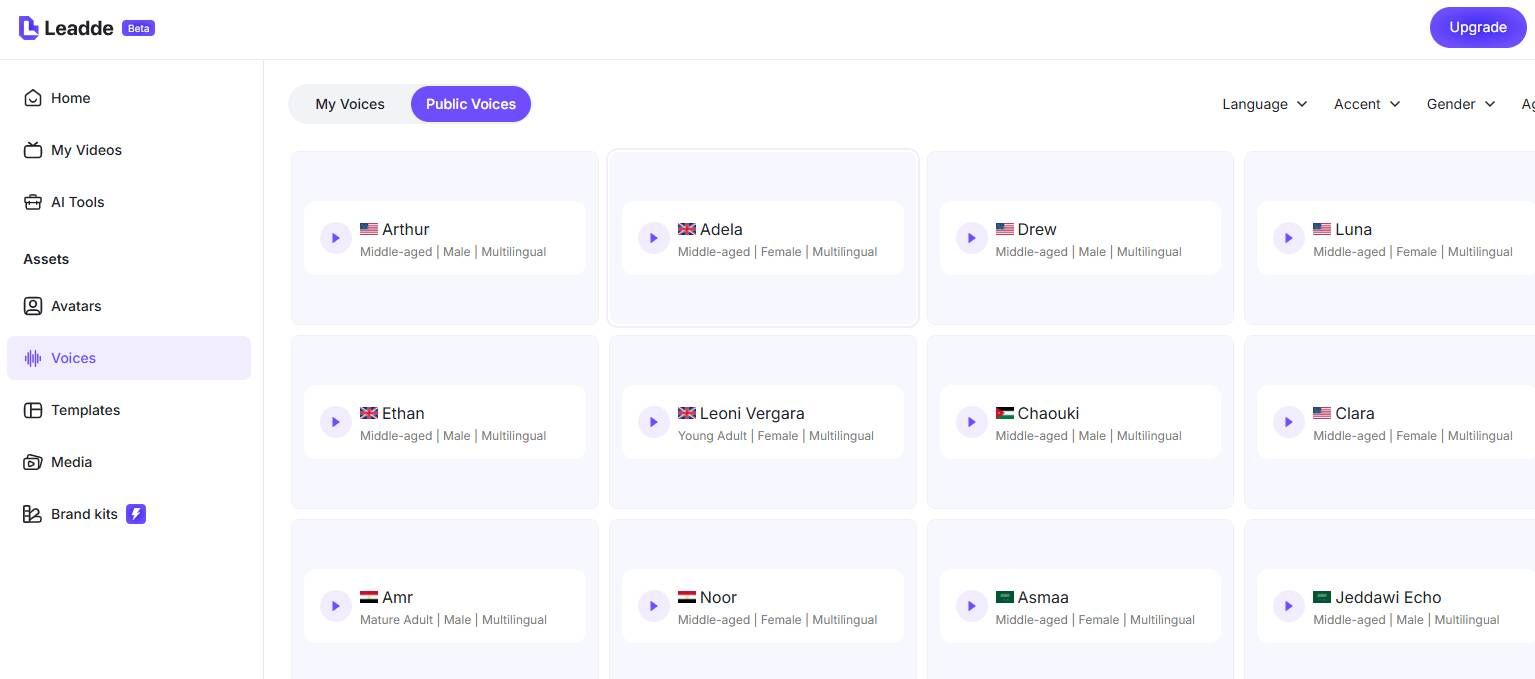
Global companies must deliver support content across multiple languages.
Traditional localization workflows are slow because they require:
- script translation
- voice recording
- video editing for each language
Modern AI video systems support multilingual video versions, helping teams distribute training content globally with minimal production effort.
This capability ensures that support resources can reach users worldwide without long localization cycles.
Step-by-Step: Automating Your Just-in-Time Support Workflow
Organizations can build a scalable JIT support system by following a structured AI-powered workflow.
Step 1: Direct Ingestion of Master SOPs, PDFs, and PowerPoint Decks
The first step is uploading existing knowledge documents.
Most companies already maintain documentation such as:
- troubleshooting guides
- onboarding instructions
- product manuals
- internal SOP documents
AI video platforms allow teams to upload these documents directly to begin generating support content.
Step 2: AI Parsing and Auto-Highlighting Key Resolution Steps
Once the document is uploaded, the AI system analyzes the content structure.
The system typically performs several automated tasks:
- identifying procedural steps
- extracting key problem-resolution instructions
- generate a structured video outlines
- creating narration scripts
This process converts dense documentation into clear, visual learning segments.
Step 3: Customizing Visual Layouts and Professional AI Avatars
To make support videos more engaging, organizations can add visual presentation elements.
AI platforms allow users to select:
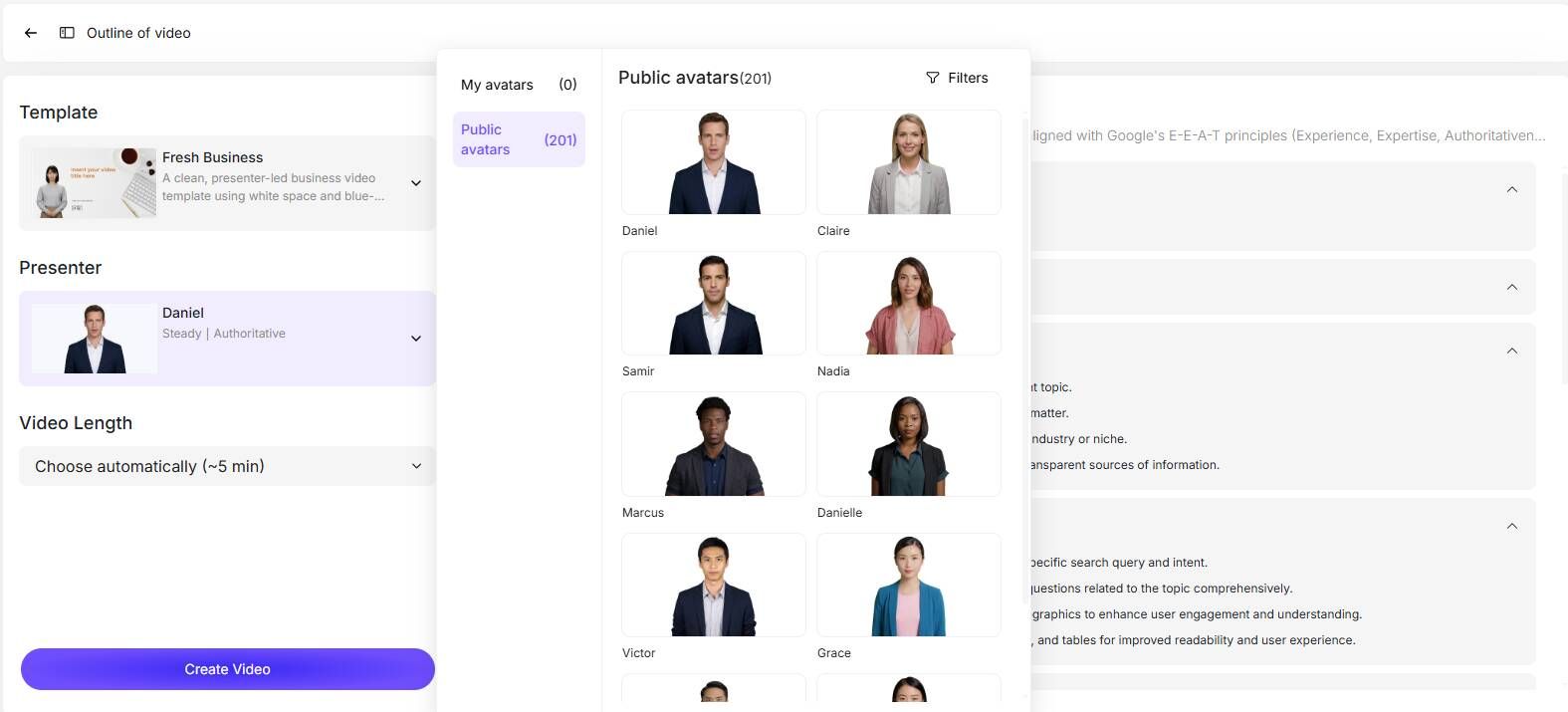
- various AI avatars or presenters
- voice tone and speaking style
- visual layouts and templates
Leadde offers a library of over 200 AI avatars, enabling organizations to create professional-looking training videos without recording real presenters.
Step 4: Deploying One-Click Translation for Multilingual Global Support
Once the core video is created, the next step is localization.
AI video platforms enable multilingual workflows that allow companies to quickly produce localized versions of training videos.
This ensures that global teams and customers receive consistent support information regardless of language.
Step 5: Transforming Videos into Interactive Assets with "Chat with Video"
The most advanced support systems turn videos into interactive knowledge interfaces.
Interactive video features allow users to:
- ask questions about the video content
- jump directly to relevant sections
- review specific steps instantly
Leadde includes a Chat with Video feature that allows viewers to interact with training videos and explore information more deeply.
This transforms traditional support videos into interactive troubleshooting assistants.
Platform Comparison: Choosing the Right Tool for JIT Support
When choosing a tool, you must consider its SaaS product demo capabilities and document processing power.
Leadde vs. Synthesia vs. HeyGen: Evaluating Update Agility and Document Support
Organizations should evaluate several key factors when comparing platforms:
- document-to-video automation
- content update flexibility
- multilingual support
- enterprise collaboration features
| Platform | Document Processing | Update Flexibility | Multilingual Support |
|---|---|---|---|
| Leadde | Strong document-to-video workflow | High | 90+ languages |
| Synthesia | Script-based video creation | Medium | Multiple languages |
| HeyGen | Avatar video generation | Medium | Multiple languages |
Platforms that focus on document-driven automation are typically more suitable for large-scale support knowledge systems
Interactivity Matrix: Static Video Players vs. Chat-Enabled AI Agents
Another important factor is interactivity.
Traditional video players provide passive learning. Modern platforms add interactive features that help users retrieve information quickly, which is critical for B2B marketing videos and support.
| Video Type | User Interaction | Learning Efficiency |
|---|---|---|
| Static training video | None | Medium |
| Segmented tutorial videos | Limited | Medium |
| Chat-enabled interactive videos | High | High |
Interactive video dramatically improves the ability for users to find answers quickly.
Pricing Breakdown: Achieving Unlimited Scale with a $19/Month Entry Point
Support content creation traditionally requires:
- professional video teams
- editing tools
- localization resources
AI video platforms reduce these requirements by automating the production workflow.
For many organizations, this dramatically lowers the cost of creating and maintaining large training video libraries.
The Business Impact: Quantifying the ROI of AI-Powered JIT Support
By making promotional and support videos on a budget, organizations report up to an 80% reduction in video production costs. AI automation removes the need for manual filming and post-production crews.
Slashing Content Production Costs by 80%
Traditional training video production can involve filming, editing, voice recording, and localization.
AI automation reduces the need for these manual steps. Organizations using Leadde report up to an 80% reduction in video production costs.
Reducing Creation Time by 90% for Rapid Support Deployment
Manual video production workflows can take days or weeks.
AI automation enables teams to generate professional support videos in minutes.
According to official product information, organizations using Leadde can achieve up to a 90% reduction in content creation time.
This allows companies to update support resources quickly whenever products change, which is essential for sales training videos and rapid software updates.
Boosting User Engagement and Self-Service Resolution Rates by 3x
Video-based support content tends to generate significantly higher engagement than text documentation.
Short instructional videos help users:
- understand procedures faster
- complete tasks independently
- resolve issues without contacting support
As a result, organizations often see higher self-service resolution rates and reduced support workload.
Conclusion: Building a Responsive, Agentic Support Ecosystem
The expectations for customer and employee support are changing rapidly. Users no longer want to read long manuals or wait for support tickets to be resolved.
Instead, they expect instant, visual guidance that solves problems immediately.
AI-powered Just-in-Time video systems enable organizations to transform static documentation into dynamic support resources that evolve alongside their products.
By adopting tools that allow you to create sales demo videos with AI and automate support documentation, companies can deliver faster, smarter support experiences while significantly reducing operational costs.
For organizations managing complex software platforms, internal tools, or customer onboarding systems, adopting AI-generated JIT support videos is becoming a strategic advantage in delivering faster, smarter support experiences.