Anthropology Animation Maker
A kinship diagram, a migration route, or a fieldwork finding gets narrated, moving scenes once Leadde turns it into an anthropology animation. Abstract social processes that usually stay stuck in a paragraph become something a class can actually watch.
Why Leadde is the Best Anthropology Animation Maker
Cover Every Anthropology Subfield in One Workflow
AI Motion for Migration Routes, Kinship Charts, and Dig Sites
Narrated Anthropology Videos in 88 Languages
Templates for Lecture Units, Fieldwork Recaps, and Exam Review Videos
How to Create an Anthropology Animation with AI
Fieldwork notes, a reading, or a lecture outline become a finished anthropology animation in three steps here.
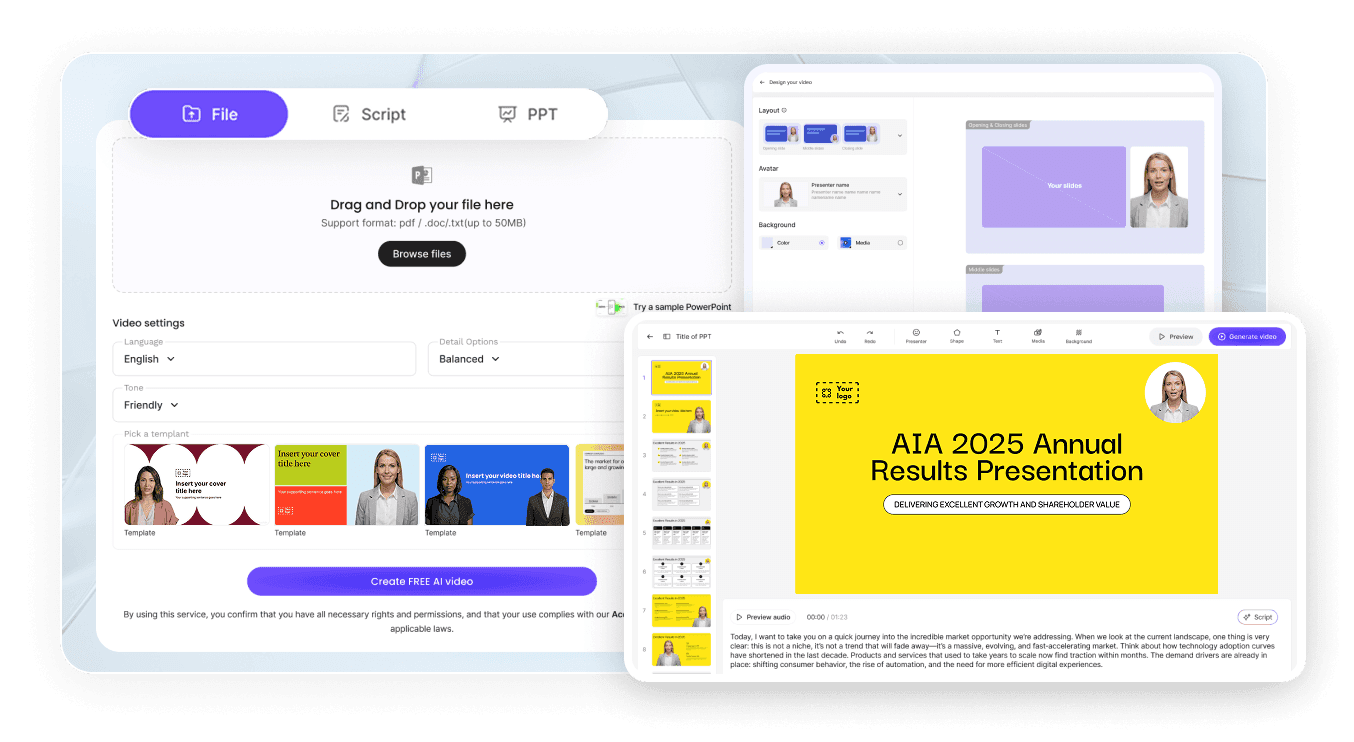
Step 1: Add Your Reading, Fieldwork Notes, or Lecture Outline
Step 2: Generate the Animated Scene and Narration
Step 3: Refine, Translate, and Share with Your Class
Cultural Anthropology & Archaeology Videos
Kinship and Social Structure Animation
Ritual and Belief System Animation
Archaeological Excavation Animation
Artifact and Dating Method Animation
Language, Migration & Fieldwork Videos
Language Family and Origin Animation
Human Migration and Settlement Animation
Ethnographic Fieldwork Method Animation
Material Culture and Trade Animation
Trusted by Social Studies Teachers, Anthropology Professors, and Museum Educators
Cover Introductory Through Advanced Anthropology in One Workspace
Update a Lecture the Moment New Fieldwork Comes In
Let a Seminar Question the Material in a Live Chat Panel
See Which Subfields and Case Studies Get Rewatched

Anthropology Animation Ideas & Use Cases
Introductory Anthropology & Social Studies
Museum and Cultural Heritage Exhibits
Archaeology and Fieldwork Course Review
Documentary and Social Science Creators
More Ways to Animate Human Story and Social Science
Evolution Video
Animate natural selection, genetics, and human evolution step by step.
Timeline Animation
Line up dates, turning points, and cause-and-effect chains on a single narrated timeline.
Geography Video
Animate population change, migration, and human geography for class.
Teaching Video
Bring a lesson from another subject entirely into the same narrated-video workflow.
Educational Animation
A curriculum document or a set of lecture notes is enough raw material for a classroom video.
Biology Animation
Cover cells, genetics, and the life sciences in one tool.
Related Leadde Tools for Anthropology Animation

AI Video Storyboard Maker
Plan a migration or kinship lesson scene by scene: turn your anthropology reading notes or PDF into a structured storyboard.

AI PDF to Video Converter
Convert an ethnography reading or fieldwork handout PDF into a video with an editable script, voiceover, and an AI presenter.

AI Lecture Video Generator
Turn anthropology lecture slides or class notes on rituals and archaeology into lecture videos with an avatar and subtitles.
FAQs
Feed an anthropology animation maker a cultural, archaeological, or linguistic topic, and it breaks the material into scenes, builds a diagram or map for each one, and hands the narration to an AI presenter. Leadde combines that scripting, animating, and narrating into one editor, with narration available in your students' language.
An anthropology animation can begin the moment you register, no credit card and no upfront cost. leadde.ai/pricing keeps the specifics on paid plans current, useful reading before committing a semester's worth of anthropology material.
You can animate any anthropology topic that fits a scripted lesson: kinship and social structure, ritual and belief systems, archaeological excavation, artifact dating, language origins, human migration, or fieldwork method. Open one of the topic pages above if you want a head start, or skip straight to pasting in your own reading or field notes.
Between them, Leadde's 88 languages and 175 dialects cover most seminars, so a kinship lecture or fieldwork case study rarely runs into a language Translate can't handle. Finish the anthropology animation in your source language first, then hand it to the tool whenever a museum audience or a partner classroom needs the narration and on-screen labels in a different one.
Two separate tools built these examples, both reachable from AI Tools > Create Media in the sidebar. A short prompt is all Motion needs for one animated scene, such as a kinship chart, while a full script and some account credits are what Text-to-Video asks for in exchange for a complete narrated video.
Ready to try Leadde?
A kinship chart or fieldwork case study is a few minutes from being an animated video. No card, no install, just a free account to begin.