Microbiology Animation Maker
Microbes are invisible until you animate them. Leadde's microbiology animation maker uses AI Motion and 300 AI avatars to bring bacterial structure, viral replication, and antibiotic resistance to life for your biology or nursing class.
Why Leadde is the Best Microbiology Animation Maker
Cover Every Microbiology Topic in One Workflow
AI Motion for Microscopic Structures and Cycles
Microbiology Lessons Narrated for Every Classroom
Fifty Templates Built for a Consistent Microbiology Unit
How to Create a Microbiology Animation with AI
No animation background is required to take a microbiology topic from outline to narrated video in three steps.
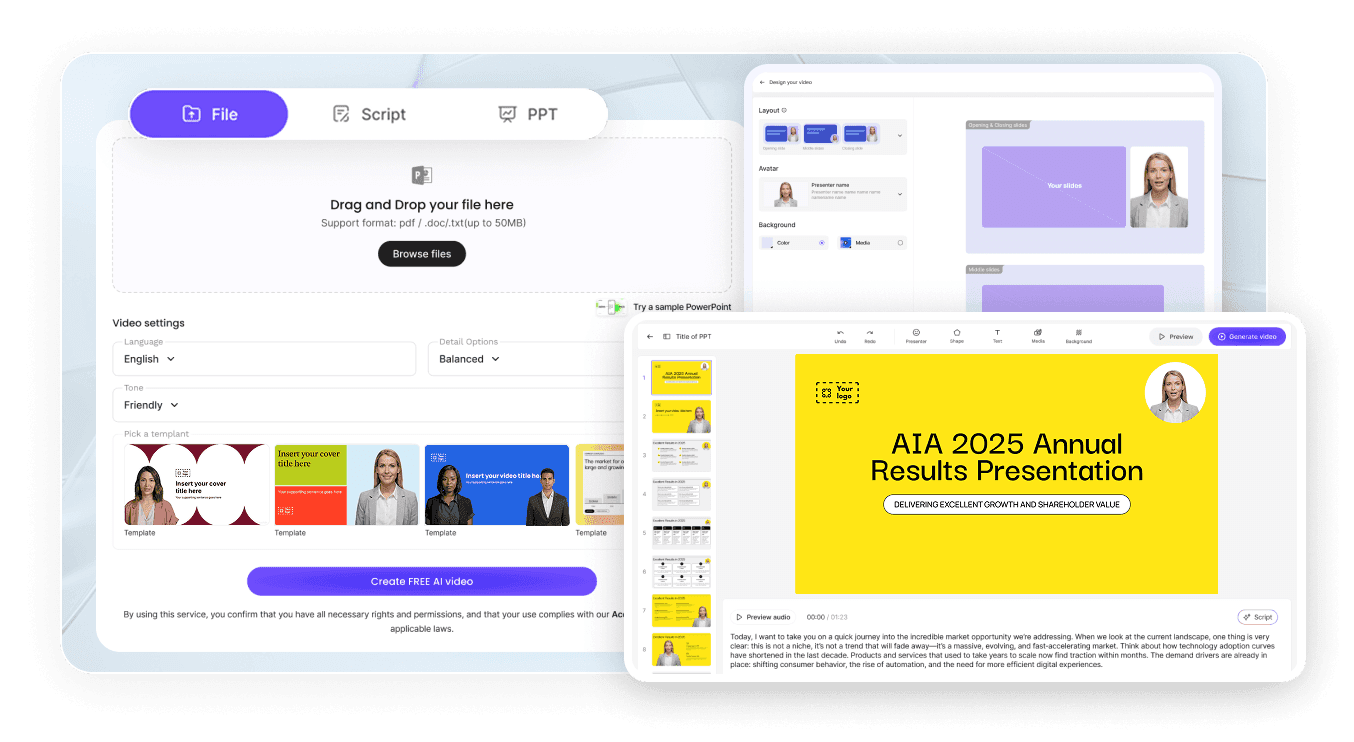
Step 1: Add Your Topic, Notes, or Textbook Chapter
Step 2: Generate Animations and Narration
Step 3: Refine, Translate, and Share with Students
Bacterial Structure and Growth Videos
Bacterial Cell Structure Animation
Bacterial Binary Fission Animation
Gram Staining Mechanism Animation
Bacterial Conjugation Animation
Viruses, Fungi, and Antibiotic Resistance Videos
Viral Replication Cycle Animation
Bacteriophage Lytic and Lysogenic Cycle Animation
Fungal and Parasitic Life Cycle Animation
Antibiotic Resistance Mechanism Animation
Trusted by Microbiology Teachers, Tutors, and Health Science Creators
One Account Runs the Whole Microbiology Course
Swap the Script When a Case Study Changes
Built-In Chat Panel for Lab Section Questions
See Where a Microbiology Lesson Loses Students

Microbiology Animation Ideas & Use Cases
Microbiology Lab Lecture Support
Clinical Lab Science and Nursing Programs
Public Health and Infection Control Training
Self-Paced Microbiology Course Modules
Round Out the Unit with More Biology Animation Topics
Cell Animation
Compare eukaryotic organelles with the prokaryotic cell structure covered on this page.
DNA Replication Video
Show helicase and polymerase unwinding and copying DNA, the same machinery bacteria use to replicate.
Mitosis Animation
See how binary fission compares to the eukaryotic mitosis process covered here.
Brain Animation
Animate brain structure and function, a companion page for meningitis and CNS infection topics.
Biology Animation
Round out a biology unit beyond microbes: this hub spans everything from cell structure to ecology.
Science Animation
This cross-subject hub connects microbiology to chemistry and physics for a broader science unit.
Related Leadde Tools for Microbiology Animation

AI Medical Education Video Maker
Turn microbiology PDFs on bacteria, viruses, and resistance into clear teaching videos for health science classes in 88 languages.

AI Video Storyboard Maker
Plan a viral replication lesson scene by scene: turn your microbiology text or PDF into a structured storyboard before animating.

Textbook to Video
Convert microbiology textbook chapters, from bacterial growth to antibiotics, into structured lesson videos with an AI avatar.
FAQs
Viral replication, bacterial binary fission, and similar microscopic processes turn into moving, narrated scenes with a microbiology animation maker, instead of staying flat in a static micrograph. Whatever goes in, a typed prompt or your own lab notes, Leadde turns it into a scene list and narrates the result for your students.
A microbiology lab section can have its first animation underway the same session signup takes, no card required. leadde.ai/pricing stays current on what separates the paid plans, worth a look before a microbiology lab section scales up.
You can animate any microbiology topic that fits a scripted lesson: bacterial structure, binary fission, Gram staining, conjugation, viral replication, bacteriophage cycles, fungal and parasitic life cycles, and antibiotic resistance. A syllabus rarely matches a template exactly, so pasting your own lab notes works just as well as picking a listed topic. Have a colleague check the finished script before it goes out.
Yes. Running a microbiology animation through Translate produces a version with a new script and captions in another language, drawing on Leadde's 88 languages and 175 dialects for an international or ESL lab section.
AI Tools and Create Media, both in the sidebar, are where these clips came from. A single, specific action is Motion's territory, and a longer piece of typed text becomes a full clip once Text-to-Video takes over, paid for with account credits.
Ready to try Leadde?
Ready to animate your next microbiology lecture? Create an account in a minute, no separate software required.