
Leadde Logo

Molecular Biology Animation Maker

Build molecular biology animation videos that separate a complex process into teachable steps. Draft Motion visuals in Leadde, add a clear narration, and check sequence, molecular roles, and labels against your course references before sharing the lesson.

Use at least 10 words or CJK characters.

Create Molecular Biology Lessons With Leadde

Build a Lesson Around Gene Expression And The Sequence Of Molecular Events

Start with your own worked example or teaching notes about gene expression and the sequence of molecular events. Give the AI Video Creator a clear audience and learning objective, then review the draft outline before developing the visuals.

Describe the Motion You Need

Open Media, choose Create with AI, and select Motion. Describe one visual change at a time, including the labels and sequence you want. Preview the generated asset and revise the prompt, or add a verified diagram to the lesson where precision matters.

Add a Spoken Explanation

Pair the visual sequence with a script that explains why each change matters. Preview the narration and adjust the wording and pacing before rendering the lesson. An AI presenter is available when a visible guide suits the format.

Prepare Versions for Your Learners

Reuse a saved lesson as a starting point for a different audience or language. Review translated technical terminology as well as the visuals. Generation uses credits; available export and branding options depend on your plan.

How to Create a Molecular Biology Animation
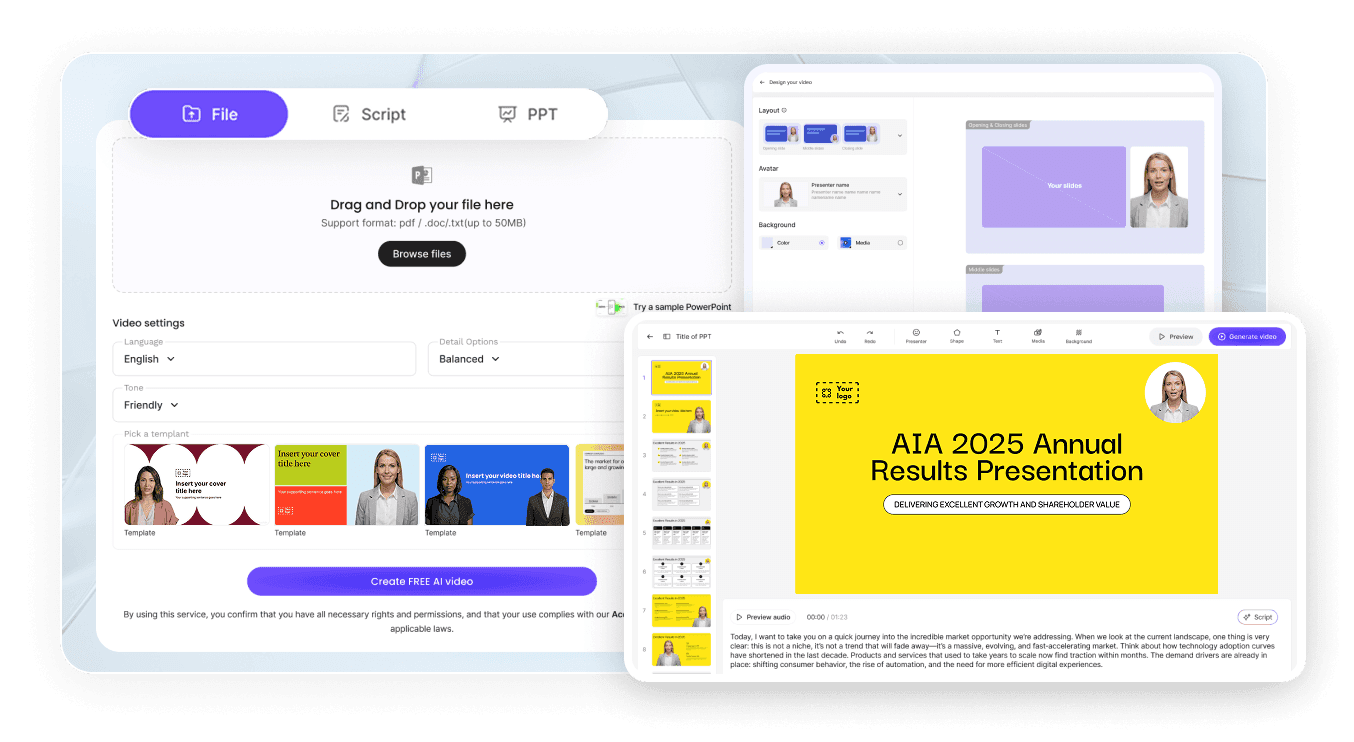
Step 1: Define the Lesson and Check the Example

Step 1: Define the Lesson and Check the Example

Choose one question about gene expression and the sequence of molecular events. Prepare a verified example, name the intended audience, and draft an outline with a clear starting point and conclusion.

Step 2: Generate and Assemble the Scenes

Use Motion in Create with AI to draft the animated assets you need. Add them to your video, write the narration, and preview the result. Keep source diagrams available while reviewing the generated scenes.

Step 3: Review, Render, and Share

Check the subject-specific details, narration, and pacing. Correct any errors before rendering, then share the video through a Leadde link or download it in a format available on your plan.

Plan a Clear Visual Sequence

Choose one idea for the lesson and describe what should change between scenes. The illustration is a simplified concept for planning a visual explanation.
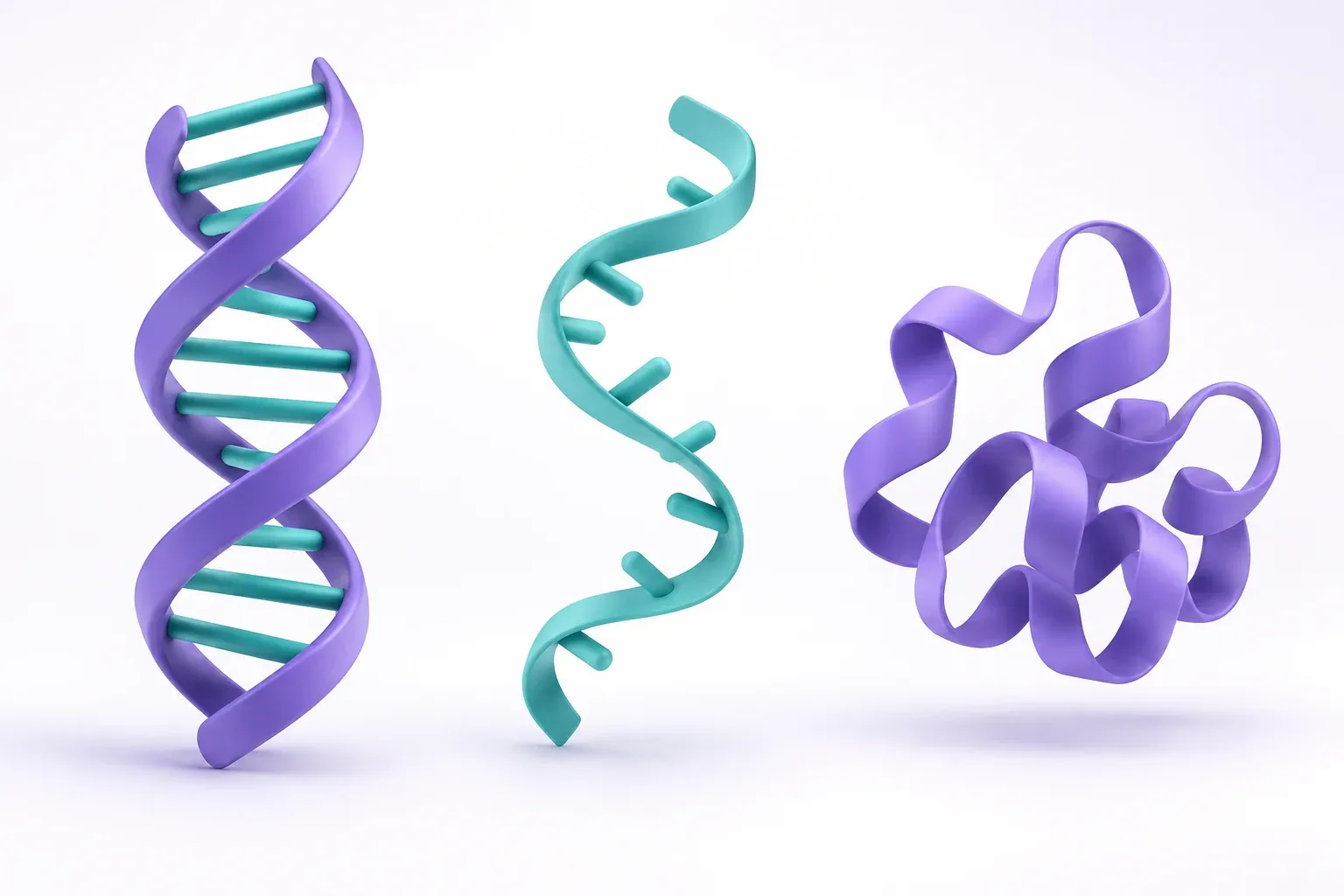
Concept illustration.
Concept illustration of a double ribbon, single ribbon, and folded form representing DNA, RNA, and protein.

Gene Expression as a Sequence of Events

Transcription Animation

Identify the system and the strand conventions before describing RNA synthesis. Introduce the role of the template and polymerase in separate scenes. Use verified reference material to review directionality, labels, and the distinction between DNA and RNA.

RNA Processing Explainers

For a eukaryotic example, distinguish the initial transcript from the processed RNA. Plan separate scenes for the processing steps relevant to your course. Keep the order and location tied to the specific biological system rather than a generic cell drawing.

Translation and Protein Synthesis

Introduce the mRNA, ribosome, and transfer RNA before following a short sequence. Supply checked codons if you use a sequence-specific example. Keep the explanation of amino acid addition separate from later protein folding and processing.

Gene Regulation Lessons

Choose a defined regulatory example and make the conditions explicit. Show which interaction changes gene expression and what your model omits. A short narrated sequence can support discussion without implying that it captures every pathway in a living cell.

Molecular Biology Animation Ideas and Use Cases

Introductory Biology Courses

Give learners a clear overview of information flow before introducing the detail required by their course.

Undergraduate Molecular Biology

Create focused explanations of a defined process, using your course's terminology and a checked sequence of events.

Research Group Onboarding

Explain a background mechanism to new team members using approved reference material, with experimental findings clearly separated from established context.

Science Communication

Adapt a reviewed explanation for a broader audience. Name simplifications so viewers understand what the illustration leaves out.

Prepare a Lesson You Can Reuse

Keep Each Clip Focused

A short explanation of one molecular biology question is easier to reuse than a video that tries to cover an entire chapter. State what learners should understand before you write the prompt.

Use Your Course Terminology

Keep symbols and definitions consistent with the materials your audience already uses. Review AI-written scripts before narration, especially where a familiar word has a technical meaning.

Revise the Saved Lesson

Update the script or a visual when the lesson changes. Preview the revised explanation and regenerate the video before sharing it as the current version.

Choose the Right Visual Source

Use generated Motion assets for a draft explanation and verified diagrams for details that require precision.
compliance background

Before You Share Your Molecular Biology Video

Name the Biological System

Distinguish prokaryotic and eukaryotic examples and use the cellular locations appropriate to the system.

Check Direction and Sequence

Review strand labels, process order, codons, and amino acid examples against your source material.

Label Simplified Models

State when shape, scale, timing, or molecular detail has been simplified for teaching.

Arrange Subject Review

Ask a qualified instructor or subject reviewer to check the script and generated visuals before publication.

FAQs

You can develop a narrated teaching video about gene expression and the sequence of molecular events. Start with reviewed material, draft visual assets using Motion, then assemble and check the explanation before you share it.

This page focuses on the sequence of gene-expression processes, such as transcription and translation. Use cell animation for organelles and whole-cell functions, and genetics animation for inheritance and variation. Link the topics when useful, but keep each lesson's question specific.

Draft an introductory molecular biology lesson comparing transcription and translation in a eukaryotic cell. Separate their locations, inputs, and outputs in the narration. Use my checked reference diagrams and label the visuals as simplified teaching models.

Motion generation uses credits. Review the credit cost shown in the product before generating, and check the pricing page for current plan allowances and export options.

Ready to Try Leadde?

Bring a checked molecular biology example and start building your lesson. Describe the visual sequence, review the draft, and add your explanation.
avatar