
7 Best Practices for Impactful Police Training Videos

To create an impactful police training video, agencies must prioritize tactical accuracy, concise storytelling, and professional delivery that mimics real-world high-pressure environments. The most effective method involves transforming existing standard operating procedures (SOPs) into visual modules that utilize realistic AI avatars to ensure a standardized, authoritative message across all shifts.
By following these 7 best practices, departments can significantly increase officer retention of critical safety protocols while maintaining absolute legal compliance.
Imagine a scenario:
where a legislative change or a high-court ruling suddenly renders your current "Use of Force" training outdated overnight.Traditionally, this would mean grounding your instructors, booking a filming studio, and spending weeks in post-production while your officers remain at risk of non-compliance.

Leadde transforms this administrative nightmare into a streamlined workflow, allowing your training unit to edit scripts like a simple text document and regenerate an entirely new police training video in minutes without a single reshoot.
Instead of settling for dry, 30-page PDF manuals that struggle to hold an officer's attention, you can now act as your own "in-house agency" to humanize complex technical data. By converting static slides into dynamic, avatar-led instructions, Leadde provides the high-level engagement found in top-tier recruitment videos but applies it to mission-critical internal education.
This agile approach ensures your force is always equipped with the most current, multilingual training videos necessary to navigate the modern complexities of the street.
Understanding how to create police training videos on a modern budget starts with leveraging the right technology to humanize your instruction. By moving away from "Hollywood" setups and embracing intelligent automation, your agency can produce high-quality, multilingual training videos that resonate with every officer on the street.
1. Why Is Digital Content Essential for Modern Police Training?
The current law enforcement landscape faces a significant training crisis as departments transition away from manual briefings. Modern police training video assets are now vital for engaging a Gen Z workforce that prioritizes digital-first learning. This shift ensures that mission-critical information reaches every officer with total consistency and speed.
Instructional leaders are now adapting "authentic storytelling" from recruitment to improve retention in internal safety training. High-impact narratives help demystify complex field procedures and make policy more relatable for frontline officers.
This approach transforms dry compliance material into a memorable, life-saving police training video curriculum.
How does the "In-House Advantage" improve training?
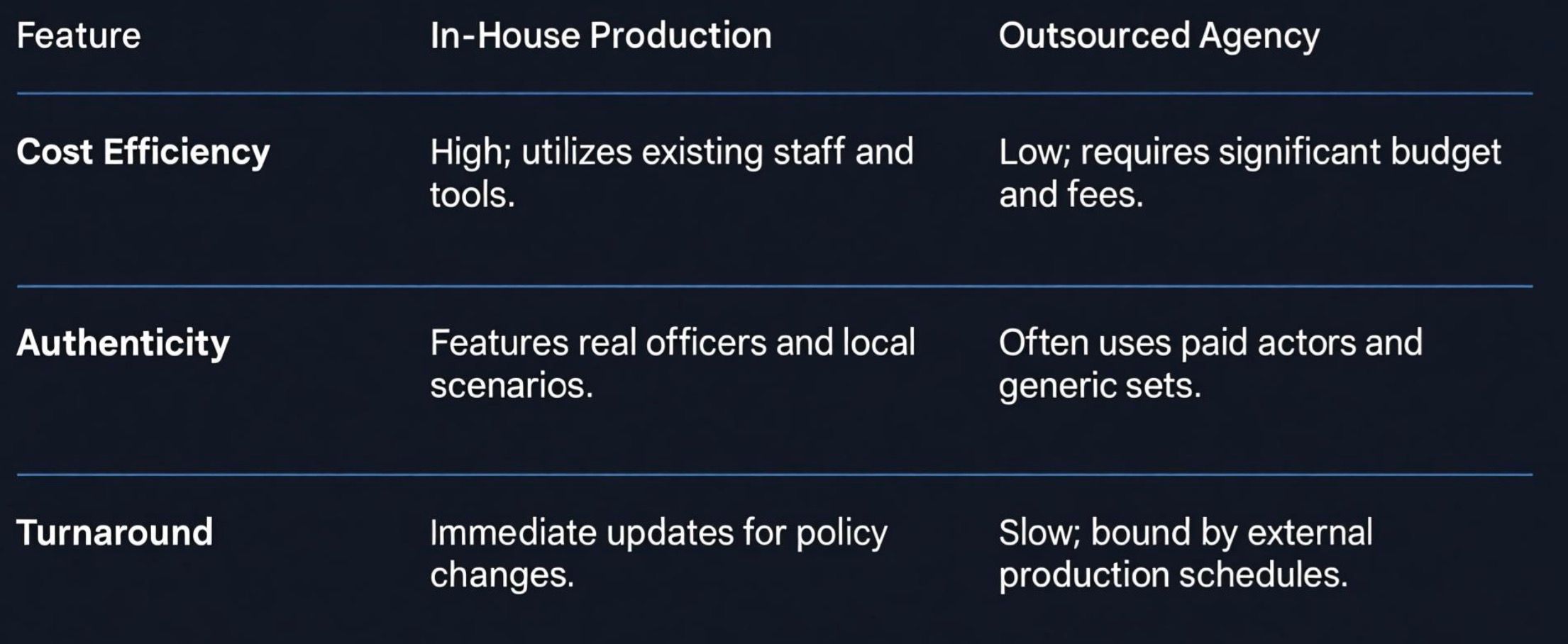
Developing content internally allows for more intimate and department-specific storytelling than outsourcing. This strategy avoids the massive $50,000 fees typically charged by professional video production agencies. Agencies can better reflect their unique culture and community commitments through local, in-house production.
Directly involving your own staff in video creation also acts as a powerful morale booster. The following comparison highlights the strategic benefits of maintaining internal control over your training assets:
Modern tools now simplify these complex internal workflows for training units.
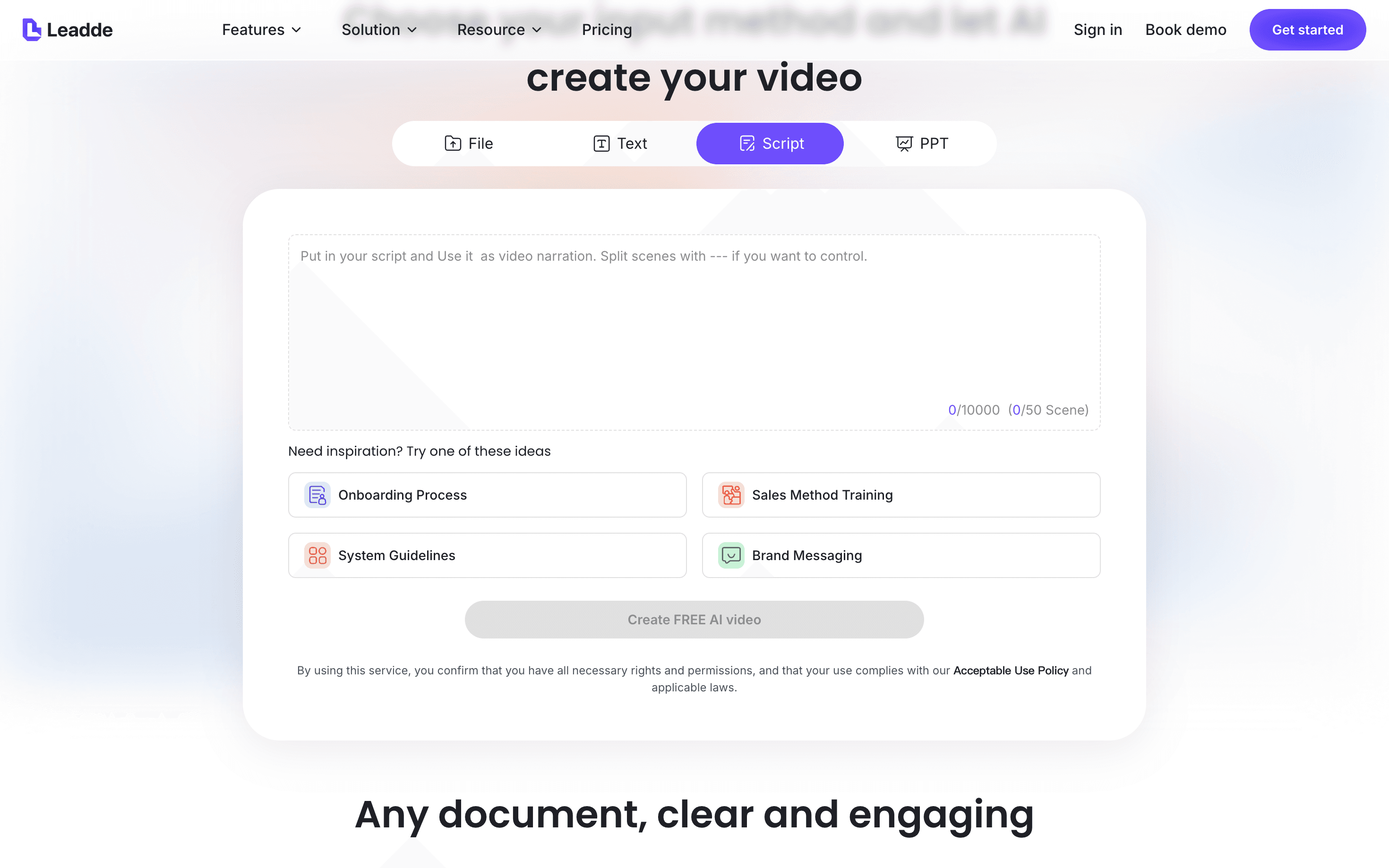
Leadde provides incremental value by allowing departments to repurpose existing PDFs and SOPs into videos instantly. This technology removes the traditional barrier of video production experience for administrative staff. You can transform a 200MB manual into a structured police training video draft in minutes.
2. How to Create Police Training Videos on a Budget?
Agencies must adopt a low-cost mindset by shifting away from "Hollywood-level" production standards. Impactful content can be generated using AI or high-quality cell phone footage. This practical approach ensures that a police training video remains affordable for even the smallest departments.
The myth that professional video requires expensive gear often prevents departments from starting. Existing smartphones paired with free AI audio tools can create highly professional results. Focus on the following budget-friendly strategies to master how to create police training videos:
- Utilize Smartphones: Use iPhones for high-definition, intimate storytelling that resonates with modern viewers.
- Leverage AI Audio: Apply tools like Adobe Podcast AI to eliminate background noise for clearer narration.
- In-House Talent: Feature real officers to build internal morale and ensure tactical authenticity.
- Community Interns: Partner with local students to access equipment and tech-savvy creative labor.
Authentic people are the most valuable resource for any departmental video project.
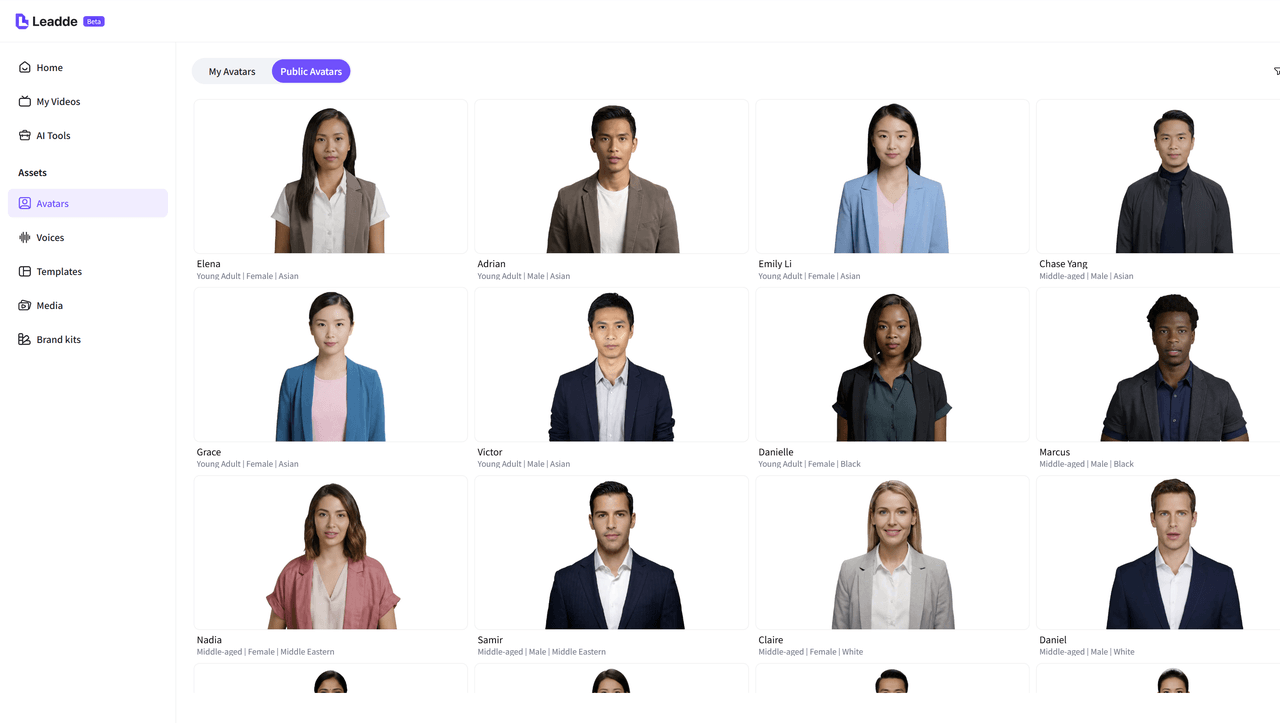
Leadde takes budget optimization further by eliminating the need for physical camera gear entirely. By using 200+ built-in AI avatars, departments can generate professional narrators without booking a studio. This text-to-video automation allows you to produce a police training video while significantly reducing overhead costs.
3. What Are the 7 Best Practices for Impactful Police Training Videos?
Creating an effective police training video requires a strategic blend of pedagogical psychology and technical precision. Departments must move beyond simply recording lectures to develop content that drives real-world officer performance. These seven best practices ensure your instructional assets remain authoritative, engaging, and legally sound.
Practice 1: Define Your "Trainee Avatar"
Before beginning production, identify the specific characteristics and needs of your intended audience. Tailoring the complexity of the police training video ensures the message is neither too basic for veterans nor too advanced for recruits.
- Segment by Experience: Create separate modules for foundational recruit training and advanced tactical updates for senior staff.
- Identify Learning Gaps: Use "candidate avatars" to determine exactly what information officers need to bridge field performance gaps.
- Personalized Logic: Leadde allows you to customize video structures based on the specific "Audience" and "Training Objective" fields in the AI Assistant.
Practice 2: Keep It Short and Focused
Modern attention spans require that instructional segments remain concise to maximize information retention. Adhering to a "30-second baseline" for micro-learning helps officers digest high-stakes protocols without cognitive overload.
- One Skill Per Video: Focus each segment on a single tactical maneuver or policy update to prevent confusion.
- Quick Pacing: Use faster-paced content and dramatic visual transitions to maintain engagement throughout the lesson.
- Duration Control: Leadde features "Level of Detail" options (Concise, Balanced, Detailed) to automatically manage the length of your generated scripts.
Practice 3: Prioritize Real-World Scenarios
Humanizing the training experience through "authentic storytelling" makes complex procedures more relatable and easier to demystify. Showing actual tactical challenges helps prepare officers for the rewarding yet demanding aspects of law enforcement.
- Day-in-the-Life Perspective: Use "indirect" storytelling to take the audience on a journey through realistic field experiences.
- Show Diversity: Include a wide range of officer profiles to reflect the various career paths and opportunities within the agency.
- Scene Management: Leadde enables you to add, delete, or reorder scenes to perfectly mirror the chronological flow of a real-world incident.
Practice 4: Standardize Authority with AI Presenters
Consistent delivery is vital for maintaining department-wide standards and ensuring every officer receives the same information. Utilizing professional presenters eliminates the variability often found in live, manual briefings.
- Consistent Tone: Ensure the instructor’s voice remains steady and authoritative across all training modules.
- Digital Instructors: Leadde provides 200+ built-in AI avatars that deliver narration with natural facial expressions and professional confidence.
- Uniform Presence: You can use the "Change All" feature to replace an avatar across every scene in a video with one click.
Practice 5: Master Video Redaction and Privacy
Agencies must anticipate FOIA requests by planning for video redaction from the very start of the production process. Protecting sensitive identities within training footage is a mandatory priority for modern law enforcement records.
- Smart Redaction: Use tools to blur or black out portions of the screen to protect the privacy of undercover officers or victims.
- Frame-by-Frame Precision: Recognize that a five-minute video at 30fps contains 9,000 frames that may require careful review.
- Layer Control: Within Leadde, you can easily hide or adjust the opacity of specific visual elements to ensure sensitive data is not exposed.
Practice 6: Multilingual Accessibility
Ensuring that diverse or global teams receive training in their native language is a core requirement for modern compliance. Language barriers should never compromise the tactical safety or legal understanding of an officer.
- Global Standards: Localize training for distributed teams to ensure aligned messaging across all regions and shifts.
- Dialect Support: Leadde supports 89 languages and 175 dialects, allowing for 1-click translation of entire training libraries.
- Accurate Voiceovers: The platform generates high-fidelity audio that captures natural vocal characteristics in multiple languages.
Practice 7: Include a Tactical Call to Action (CTA)
A great police training video must have a clear "call to action" that directs officers toward the next stage of their education. True success is measured by tracking actual learning outcomes rather than simple view counts.
- Direct Next Steps: End every video with specific instructions, such as a link to an application or a mandatory field exercise.
- Interactive Checks: Transforming videos into "conversational content" allows officers to ask questions and receive instant feedback.
- Outcome Tracking: Use analytics to monitor completion rates and engagement data to determine if the training was truly successful.
Strategic planning ensures your content achieves maximum retention and field impact.
4. How Can AI Technology Streamline Your Training Workflow?
Traditional video production often presents significant time commitments that strain limited agency budgets. AI technology addresses these production bottlenecks by automating the most tedious aspects of the content creation cycle. This allows training units to focus on tactical accuracy rather than technical editing.
Overcoming the Time and Accuracy Barrier
Frame-by-frame editing is a "tedious and time-consuming process" that can overwhelm FOIA and training staff. AI tools eliminate this burden by providing automated solutions for editing, version control, and linguistic precision.
| Workflow Challenge | Traditional Method | AI-Powered Solution |
|---|---|---|
| Editing Effort | Manual review of 9,000 frames for a 5-min video. | Automated scene generation and smart layouts. |
| Updating Content | Full reshoots required for legal or policy changes. | Edit scripts like a document and republish instantly. |
| Technical Accuracy | Human error in pronouncing complex legal/medical terms. | Pronunciation Correction tools for total accuracy. |
| Production Experience | Requires specialized videographers and editors. | No filming or professional editing skills required. |
Agencies can now modernize their curriculum without expanding their existing workforce.
Leadde provides unique incremental value through its Slide Presenter feature, which converts legacy PowerPoint decks into dynamic videos. The AI analyzes your existing slides to write a professional narration and brings them to life with a speaking avatar in minutes. This ensures that your entire library of "static" training material can be transformed into engaging, multilingual training videos at scale.
Conclusion: Mastering Your Police Training Strategy with Leadde
Modern law enforcement excellence requires a training strategy that balances tactical rigor with digital agility. Departments must integrate authentic storytelling with AI-powered scalability to ensure every officer remains safe and informed. By prioritizing high-impact police training video content, agencies can overcome personnel shortages and provide consistent instruction across all shifts.
Leadde serves as a powerful engine that transforms heavy legal and medical manuals into standardized visual training. This platform empowers your department to act as an agile, "in-house agency" capable of responding to sudden legislative shifts in minutes.
Mastering how to create police training videos with AI ensures your curriculum is always accurate and authoritative.
Stop letting static documents compromise your department's safety and legal compliance. Start your free trial with Leadde today and begin transforming your SOPs into impactful police training videos instantly. Secure your force and modernize your training with the industry's most advanced AI video creator.