7 Essential How-To Video Examples for Modern Digital Marketing (2026 Guide)
In 2026, attention is short and expectations are high. Users don’t watch videos to be impressed—they watch to solve something immediately. That’s why a strong video example isn’t about showing features anymore; it’s about delivering instant clarity the moment someone hits play.
For marketing teams, the real challenge isn’t just creating content—it’s keeping an entire video library accurate as products constantly evolve.
Traditional how-to video production slows everything down. Recording tutorials, syncing audio, and adding callouts can take days. Then a small UI update happens, and suddenly your entire tutorial video library feels outdated, forcing costly reshoots.
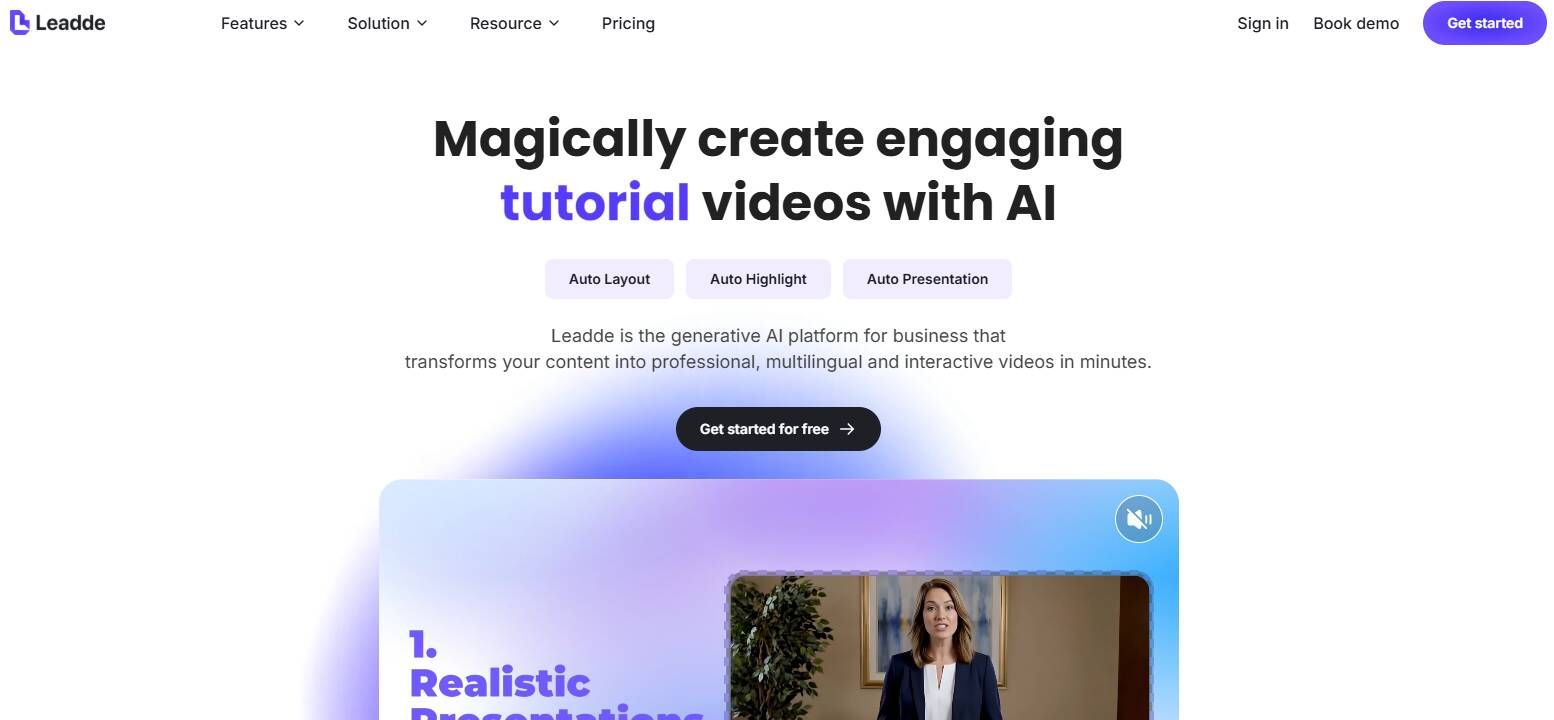
That’s why more teams are shifting to zero-recording workflows. With Leadde, you can turn existing SOPs or product documentation into polished instructional videos in minutes—making it easy to update, iterate, and scale content as fast as your product changes.
What is a how-to video and why is it essential for 2026 marketing?
A how-to video is an educational guide. It teaches viewers to solve specific problems. These video examples simplify complex technical tasks. Clear instructions help audiences acquire new skills.
Marketers use a how-to video to build trust. Free knowledge shows that brands value customer success. This approach drives high brand awareness. Expertise is highlighted through detailed instructional walkthroughs.
High-quality how-to video examples increase conversion rates. They remove the friction of learning new tools. Accurate video examples demonstrate real-world product value. Modern businesses rely on them for consistent messaging.
Defining the role of instructional content in building brand trust
A solid video example serves as a digital manual. It turns complex concepts into digestible steps. This transparency makes customers comfortable with choosing your brand. Helpful how-to video examples foster long-term loyalty.
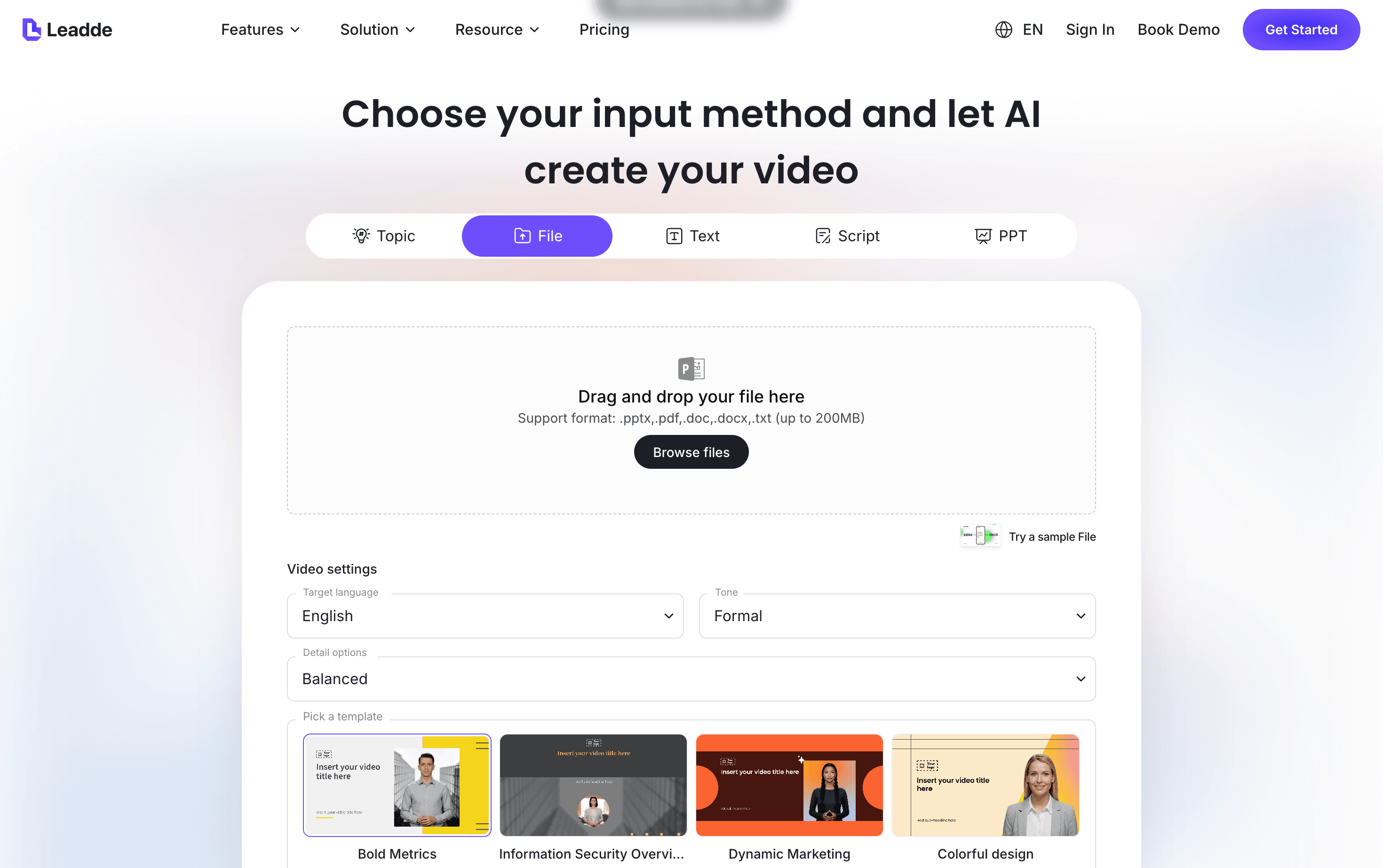
Leadde enhances this trust by ensuring factual accuracy. You can generate precise narrations from your documents. This eliminates human error in technical explanations. Leadde helps you maintain a professional, authoritative voice.
Trusted brands use these videos for global outreach. See how modern how-to video examples drive growth:
- Brand Authority: Demonstrating deep niche expertise.
- Customer Success: Providing free, actionable problem-solving.
- Reduced Friction: Simplifying complex software or hardware.
- Engagement: Using visuals to keep viewers focused.
Effective video marketing strategy creates lasting user connections.
Why 69% of users prefer video examples over text for product learning
Data shows 69% of people favor video. Static text often feels overwhelming for new users. A video example provides clear visual cues. Viewers retain information better through dynamic storytelling.
What are the different types of how-to video examples available?
Many formats exist for creating a how-to video. Marketers must choose the right style for intent. Each video example type serves a different purpose.
Matching the format to the goal is key.
From screencasts and 101 guides to follow-along tutorials
Screencasts are ideal for software demonstrations. They show the exact interface and workflows. A video example for beginners is a 101 guide. These simplify topics for novice audiences.
Follow-along tutorials inspire viewers to take action. These how-to video examples encourage real-time participation. Hack videos share quick tips for efficiency. They offer high value through rapid delivery.
Categorizing content based on audience intent and skill level
Audience research defines your video example structure. Novices require slow-paced, fundamental explanations. Experts prefer fast, technical how-to video examples. Intent dictates whether you use animation or live-action.
SaaS marketers need specific practical reference templates. Consider these core intent categories for your strategy:
| Intent Category | Primary Format | Target Audience |
|---|---|---|
| Skill Acquisition | Step-by-Step | Beginner/Intermediate |
| Product Adoption | Screencast | New Software Users |
| Problem Solving | Troubleshooting | Existing Customers |
| Brand Awareness | Educational Animation | Top-of-Funnel Leads |
To provide you with immediate value, here is a quick summary of the high-impact video examples covered in this guide. These seven formats represent the gold standard for modern digital marketing efficiency and user engagement in 2026.
- Zero-Recording Walkthroughs: Use Leadde to transform static documents into dynamic videos without manual filming.
- Trend-Jacking AI Tutorials: Capture viral traffic by demonstrating the latest AI tools and fast-moving industry workflows.
- Snappy Social Hacks: Leverage high-energy, snackable tips designed for instant sharing on mobile-first social platforms.
- B2B Mini-Courses: Build deep brand authority by offering structured, multi-step educational series to your professional audience.
- Beginner 101 Graphics: Simplify complex or abstract technical concepts using clear motion design and animated visual aids.
- Creator-Led Follow-Alongs: Boost consumer trust with authentic, real-time demonstrations that feel personal and relatable.
- Phygital Walkthroughs: Bridge the gap between physical hardware and digital software setup for a seamless user experience.
By mastering these how-to video examples, your team can significantly reduce production bottlenecks and drive higher product adoption.
How-To Video Example 1: The Zero-Recording SaaS Feature Walkthrough
This video example demonstrates automated document-to-video transitions. It removes the need for manual screen recording sessions. Marketers turn static PDFs or PPTs into dynamic content instantly.
Overcoming the "UI iteration curse" with Leadde’s scene-level script editing
Software interfaces update faster than traditional production cycles. A how-to video often becomes outdated within weeks. Leadde solves this problem with scene-level script editing.
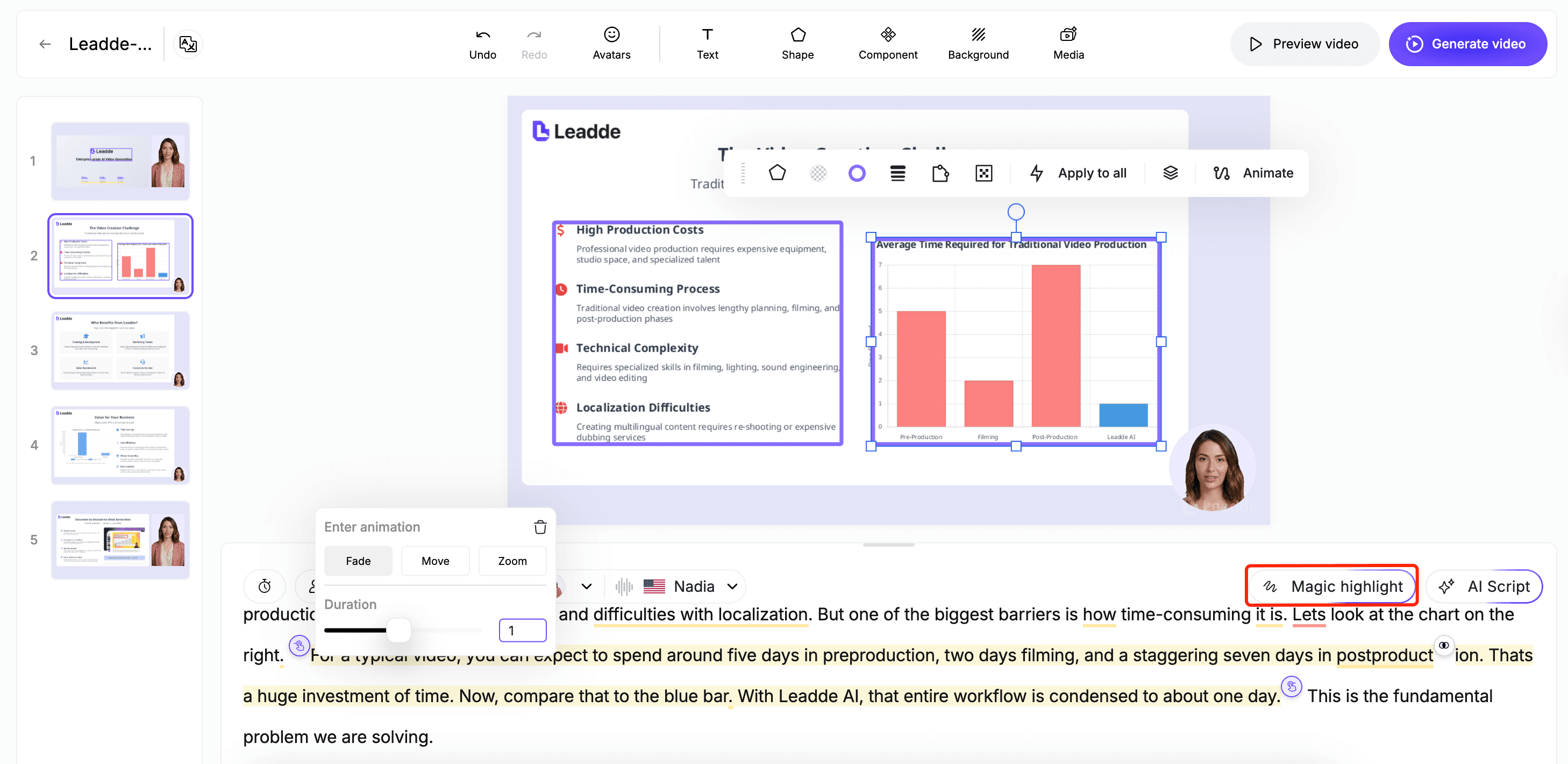
Updating your how-to video examples is now as easy as text editing. You modify specific scenes without re-recording any footage. This agility keeps assets aligned with rapid software releases.
Efficiency improves significantly when using these automated features:
- Instant Conversion: Turning existing documentation into complete video drafts quickly.
- Auto-Highlights: Key messages are automatically animated for visual emphasis.
- No Reshoots: Updating content instantly whenever the product changes.
High-speed production creates a sustainable content library.
Best for: B2B SaaS teams managing frequent product updates, especially those seeking the best software for SaaS product demo videos to keep content accurate and scalable.
How-To Video Example 2: The Trend-Jacking AI-Driven Tutorial
This video example leverages emerging technologies for rapid creation. It demonstrates how to complete tasks using new tools. These how-to video examples capture traffic from trending searches.
Establishing thought leadership through technical demonstrations
AI-related queries currently dominate search engine results pages. Providing an expert how-to video builds brand authority. It proves your team stays at the industry forefront.
Marketing teams use automation to capitalize on trends instantly. You generate professional narrations in many languages. This speed ensures your content is first to market.
Strategic advantages of AI-driven tutorials include:
- High Visibility: Capturing traffic from trending tech keywords.
- Simplified Complexity: Breaking down advanced workflows for beginners.
- Scalable Output: Creating technical guides without massive film crews.
Thought leadership results from rapid, high-quality educational delivery.
Best for: Growth marketers aiming for viral organic search exposure.
How-To Video Example 3: The Snappy Social Media Hack (Mobile-First)
This video example delivers "snackable" content for social platforms. It utilizes fast-paced editing and energetic music tracks. These how-to video examples prioritize engagement over wordy narrations.
Capturing top-of-funnel engagement on platforms like TikTok and Reels
Mobile users consume information in very short bursts. A snappy how-to video grabs attention while users scroll. Viral sharing becomes more likely with visual tips.
Smart layouts simplify the creation of these social assets. These tools organize frames to highlight key information. This creates professional visuals that feel native to feeds.
Effective social hacks typically incorporate these elements:
- Dynamic Design: Using motion graphics to illustrate steps clearly.
- Text Overlays: Incorporating emojis and bold text for readability.
- Clear CTA: Instructing viewers to download templates or visit sites.
Snackable tutorials serve as powerful entry points for customers.
Best for: Social media managers focused on brand recognition.
How-To Video Example 4: The B2B Educational Mini-Course
A B2B mini-course offers a structured, high-value learning series. It moves beyond simple product features to teach broader skills. These how-to video examples function as professional online masterclasses.
Driving high-quality lead generation and B2B authority
B2B products are often complex and difficult to learn. Providing free, high-quality resources builds immense brand trust. It establishes your company as a primary industry authority.
Educational series effectively capture high-intent professional leads. You provide genuine value before asking for a sale. This strategy fosters deeper connections with corporate decision-makers.
Successful B2B courses often include these strategic components:
- Sequential Lessons: Breaking broad topics into digestible video chapters.
- Mixed Media: Combining live-action presenting with technical motion design.
- Gated Content: Offering supplemental guides to collect valuable lead data.
Structured education transforms cold prospects into informed brand advocates.
Best for: Enterprise marketing teams focused on complex solution education, with a strong emphasis on creating effective marketing videos to communicate value clearly.
How-To Video Example 5: The "101" Beginner Motion Graphic
A "101" video example simplifies topics for absolute novices. It uses animated graphics to explain invisible technical concepts. These how-to video examples bridge the gap for new users.
Reducing entry barriers for complex tech or financial services
Technical jargon often intimidates potential new customers. Motion graphics turn abstract data into clear visual stories. This approach makes your brand feel much more accessible.
Leadde streamlines the creation of these organized visual frames. You can animate key messages automatically to ensure clarity. This prevents viewers from feeling overwhelmed by complex information.
Effective beginner graphics rely on these specific visual traits:
- Clean Layouts: Using organized frames to prevent visual clutter.
- Smooth Pacing: Allowing viewers enough time to process each step.
- Metaphorical Icons: Representing technical tools with simple, relatable symbols.
Visual simplicity helps convert hesitant beginners into confident users.
Best for: FinTech and deep-tech startups targeting non-technical audiences.
How-To Video Example 6: The Creator-Led Follow-Along Video
A follow-along video example emphasizes real-time user participation. The creator performs tasks alongside the viewing audience. These how-to video examples feel like personal, friendly advice.
Humanizing the brand through relatable, real-time demonstrations
Authenticity is the most valuable marketing asset in 2026. Creator-led content builds faith by offering practical, honest solutions. It proves that your product works in real-world settings.
Viewers prefer the "homemade" quality of these authentic guides. It removes the "corporate" feel of traditional advertising content. This relatability drives much higher social engagement and trust.
High-trust follow-along videos usually feature these core elements:
- Authentic Setting: Filming in natural environments rather than sterile studios.
- Direct Narration: Speaking naturally to build a sense of community.
- Mistake Inclusion: Showing real challenges to appear more honest.
Personal connection is the fastest route to brand loyalty.
Best for: Lifestyle and consumer brands utilizing influencer marketing strategies.
How-To Video Example 7: The Phygital Walkthrough (Hardware + Software)
This video example bridges the gap between physical products and digital setups. It demonstrates hardware assembly followed by seamless software integration. Viewers follow a strict chronological order to complete complex installations.
Reducing return rates and improving customer onboarding satisfaction
Physical manuals often lack clear visual cues for assembly. A how-to video provides the necessary 3D spatial context. This clarity prevents user errors during the initial setup phase.
Leadde helps teams create these guides with high-quality narration. You can explain physical connections while showing software screenshots. This ensures your how-to video examples provide complete end-to-end support.
Effective phygital walkthroughs deliver several key operational benefits:
- Lower Support Costs: Reducing the volume of basic setup inquiries.
- Improved Retention: Ensuring a positive first-time user experience.
- Visual Clarity: Highlighting physical ports and digital menu items simultaneously.
Reliable instructional content turns technical hurdles into brand wins.
Best for: IoT brands and companies selling integrated hardware-software solutions.
What are the practical tips for creating high-converting video tutorials?
High-quality how-to video examples require careful planning before production begins. Success depends on balancing technical clarity with audience engagement. These practical steps serve as a definitive action guide for creators.
Audience-first scripting and storyboard preparation
Understanding your viewers is the first step in video creation. You must research their core pain points to define topics. This knowledge ensures every video example uses relatable and conversational language.
A well-structured script serves as your primary production blueprint. It saves time and money by preventing debates during filming. Clear storyboards help maintain visual consistency across every how-to video.
Professional creators follow these essential steps to ensure high-impact results:
- Scripting First: Writing a clear outline before starting any filming.
- Audio Quality: Ensuring narration is clear and free from background noise.
- Strategic Transitions: Using animations to maintain pacing and audience focus.
- SEO Optimization: Including keywords in titles and descriptions for better reach.
- Community Engagement: Responding to comments to clarify misunderstandings and build trust.
Effective production habits transform standard guides into powerful marketing assets.
Conclusion: Mastering the future of video-first marketing
This 2026 guide explores seven essential how-to video examples for digital growth. Each video example addresses a specific modern marketing challenge or need. From SaaS walkthroughs to social hacks, utility drives successful customer connections.
Mastering these how-to video examples is vital for high-speed industries. They reduce learning barriers and accelerate product adoption for global users.
Strategic video content establishes long-term brand authority and expertise.
Leadde provides the ultimate engine for this automated video shift. You can turn any document into a professional video instantly. Scale your global reach by translating content into 170+ languages. Start your free trial with Leadde today to simplify your production.