Seedance 2.5 Reddit Review: Is It Worth the Hype

Seedance 2.5 is worth the hype for creators who need longer, more controllable AI video scenes—but Reddit feedback does not support calling it a universal upgrade over Seedance 2.0. Its strongest advantages appear in 30-second continuous scenes, dialogue, acting, character consistency, and reference-driven generation.
At the same time, users repeatedly mention expensive rerolls, weaker results in some action or dance scenes, moderation issues, and platform-specific limits. That makes the real question less about headline specs and more about where to use Seedance 2.5 and how much usable footage it can produce for a specific workflow.
For teams working from existing PDFs, presentations, training materials, or business knowledge, learning how to convert PDFs to videos online with a dedicated document-to-video workflow may be more practical. Leadde is designed for this use case, turning structured source content into videos with narration, custom avatars, and multilingual output.

Seedance 2.5 Reddit Review: Is It Actually Worth the Hype?
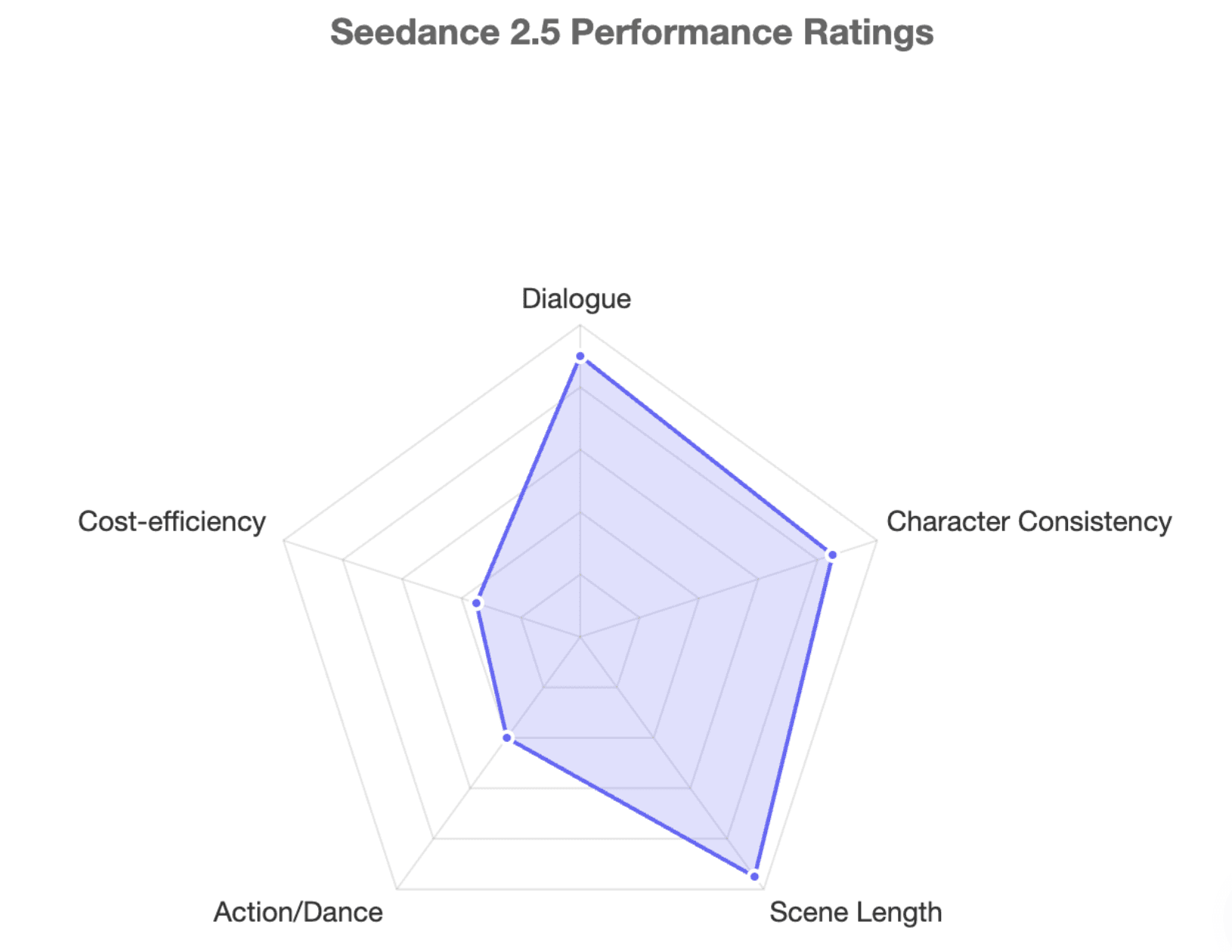
Based on the Reddit discussions reviewed, Seedance 2.5 earns much of its hype when a project needs longer scenes, stronger reference control, dialogue, or sustained character performance. Users have reported convincing 30-second sequences with relatively stable characters, while dialogue-heavy storytelling is repeatedly highlighted as a strong use case.
The feedback is much less uniform for action, dance, physical interaction, moderation, and cost. Some creators still prefer Seedance 2.0 because it can be more forgiving and spontaneous, while a longer 2.5 generation creates more opportunities for a late mistake to waste an otherwise usable clip.
What Reddit Users Like Most About Seedance 2.5
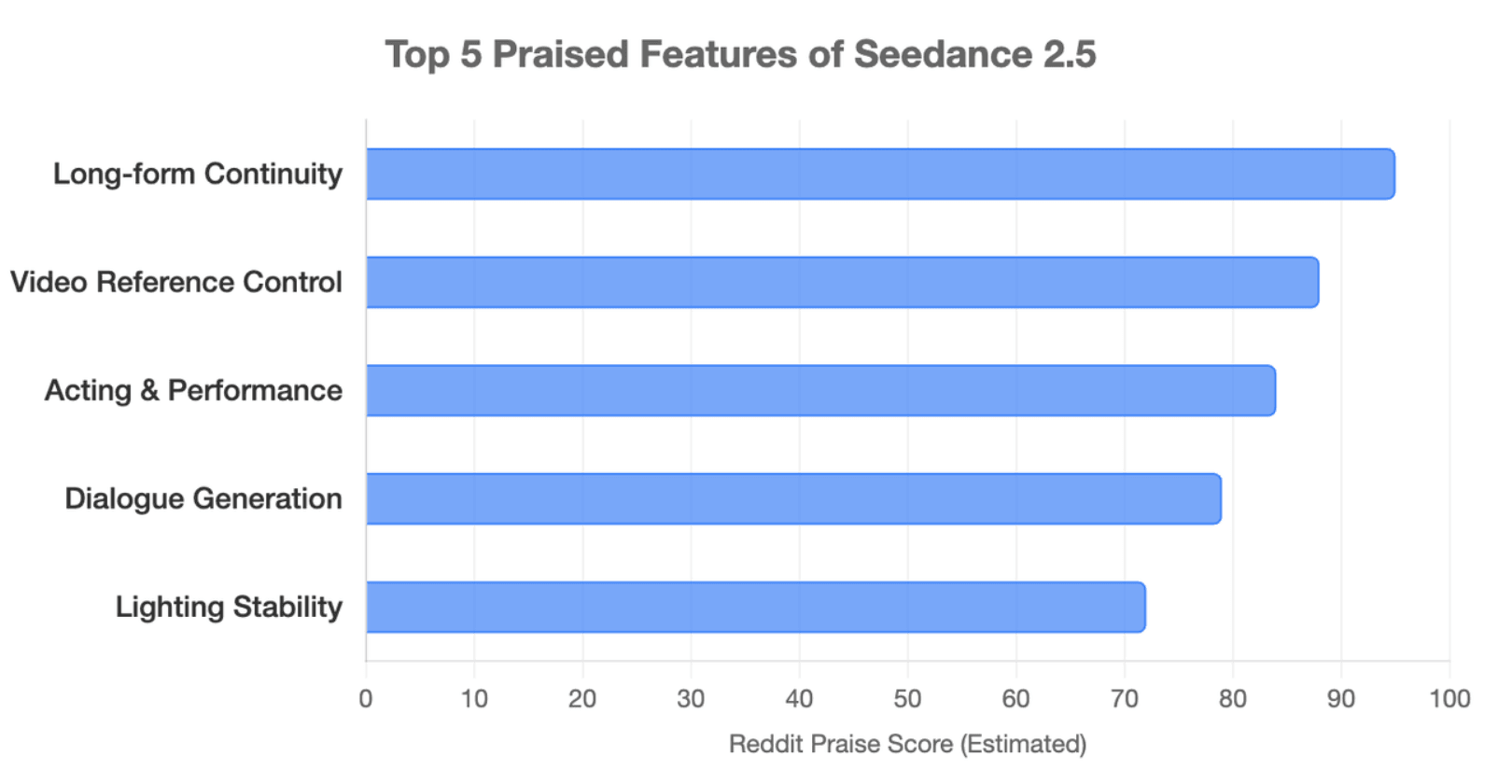
The most consistent positive signals are long-form continuity, acting, dialogue, and reference-driven control. ByteDance itself positions 2.5 around 30-second storytelling and richer multimodal references, while creators testing continuous scenes report that subjects can remain surprisingly stable through multiple actions and lighting changes.
Professional workflows reveal an even more interesting advantage: video references. One early-access creator recorded real acting and blocking, then used those clips to guide positioning, depth, parallax, and performance inside the generated scene. That makes Seedance 2.5 useful as a directable production system, not simply a prompt-to-video tool.
What Reddit Users Still Complain About
The most common complaints involve reroll cost, content filtering, choreography, and reliability over longer generations. Some users testing horror or action content reported that prompts accepted by 2.0 were rejected in 2.5, although other creators have experienced less restrictive behavior.
This makes moderation difficult to generalize. Provider implementation, account type, source material, and platform policy may all influence the experience.
How Much Should You Trust a Seedance 2.5 Reddit Review?
Not every Reddit comment deserves equal weight. A detailed post showing the platform, workflow, references, failures, and follow-up results is more useful than a one-line claim that the model is “amazing” or “garbage.”
The strongest approach is to use official documentation for capabilities and specifications, then use repeated community reports to understand how those capabilities behave in real workflows. Promotional posts, automated comments, and provider recommendations should be treated more cautiously.
What Changed in Seedance 2.5 Compared With Seedance 2.0?
Seedance 2.5 extends single-pass generation to 30 seconds and supports up to 30 images, 10 videos, and 10 audio clips in one generation. ByteDance also highlights timestamp-level control, video extension, editing, motion references, and more stable long-form storytelling.
The bigger change is therefore not simply “twice the duration.” Seedance 2.5 shifts the workflow toward reference-driven direction across a longer timeline, where characters, environments, movement, sound, and camera behavior can be coordinated together.
Seedance 2.5 vs Seedance 2.0: Which Is Actually Better?
| Area | Seedance 2.5 | Seedance 2.0 |
| Long storytelling | Stronger | Better for shorter clips |
| Reference control | Major advantage | More limited |
| Dialogue and acting | Strong community signal | Capable |
| Creative auto-completion | More explicit/directable | Often more forgiving |
| Action and fights | Mixed | Some users prefer 2.0 |
| Dance/music videos | Mixed | Still preferred by some creators |
| Iteration cost | Usually higher | Often easier to experiment with |
Runway's current implementation illustrates the trade-off clearly: it recommends 2.5 for shots beyond 15 seconds and longer video/audio references, but still recommends Seedance 2.0 when 1080p output or cheaper iteration is the priority.
Why Do Some Creators Still Prefer Seedance 2.0?
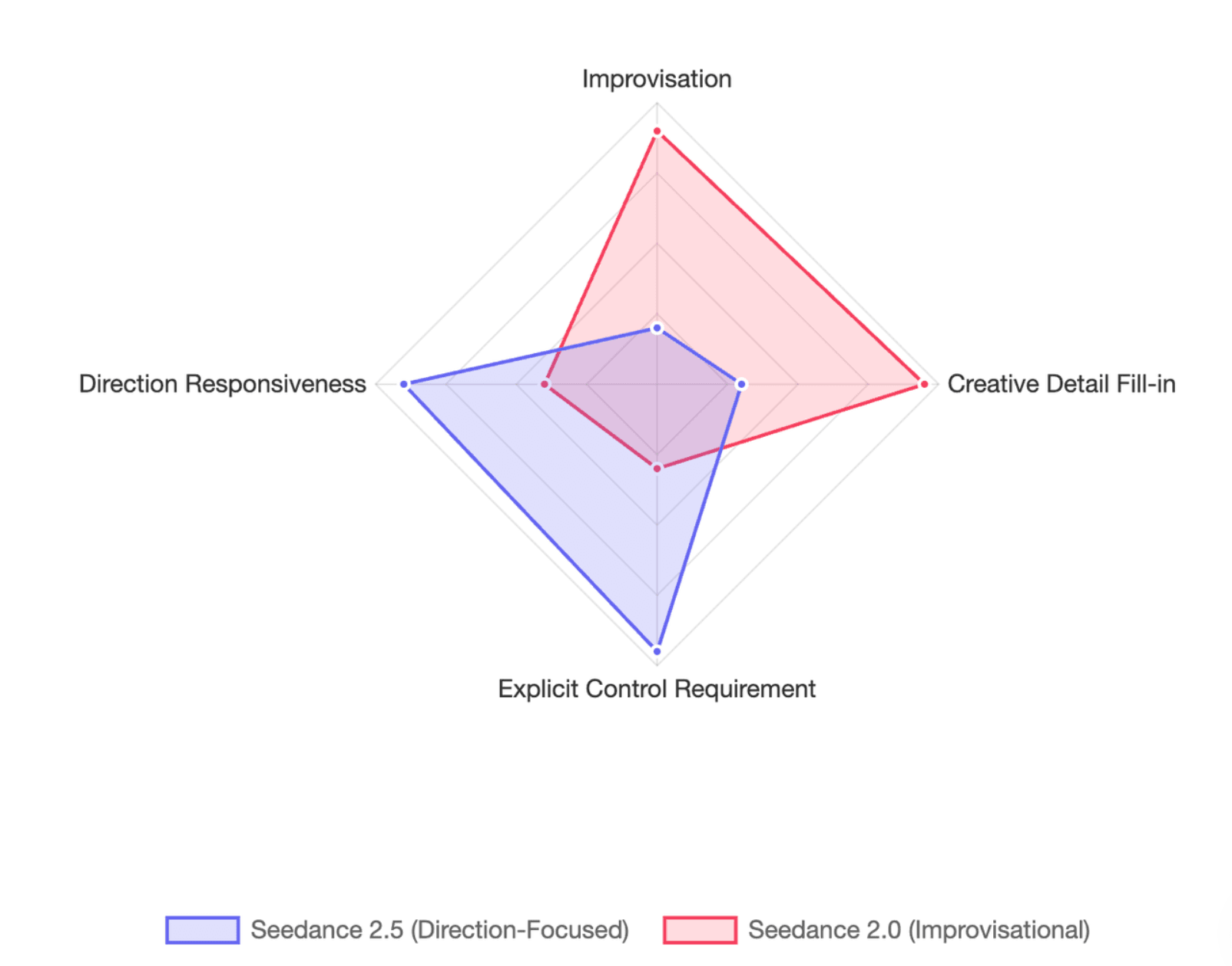
Several Reddit users describe 2.0 as better at filling in missing creative details. If a prompt says two characters fight, 2.0 may invent supporting reactions and movement, while 2.5 can benefit from more explicit direction about what each character should do.
That does not necessarily mean 2.0 is more capable. It suggests the models reward different workflows: 2.0 can feel more improvisational, while 2.5 behaves more like a model that expects direction.
Can Seedance 2.5 Really Generate a Good 30-Second Video?
Yes, but 30 seconds should be treated as an option rather than a default target. ByteDance says the model can structure multiple connected beats across a 30-second generation, and community tests have shown continuous sequences that maintain a subject through substantial changes in location, lighting, camera movement, and action.
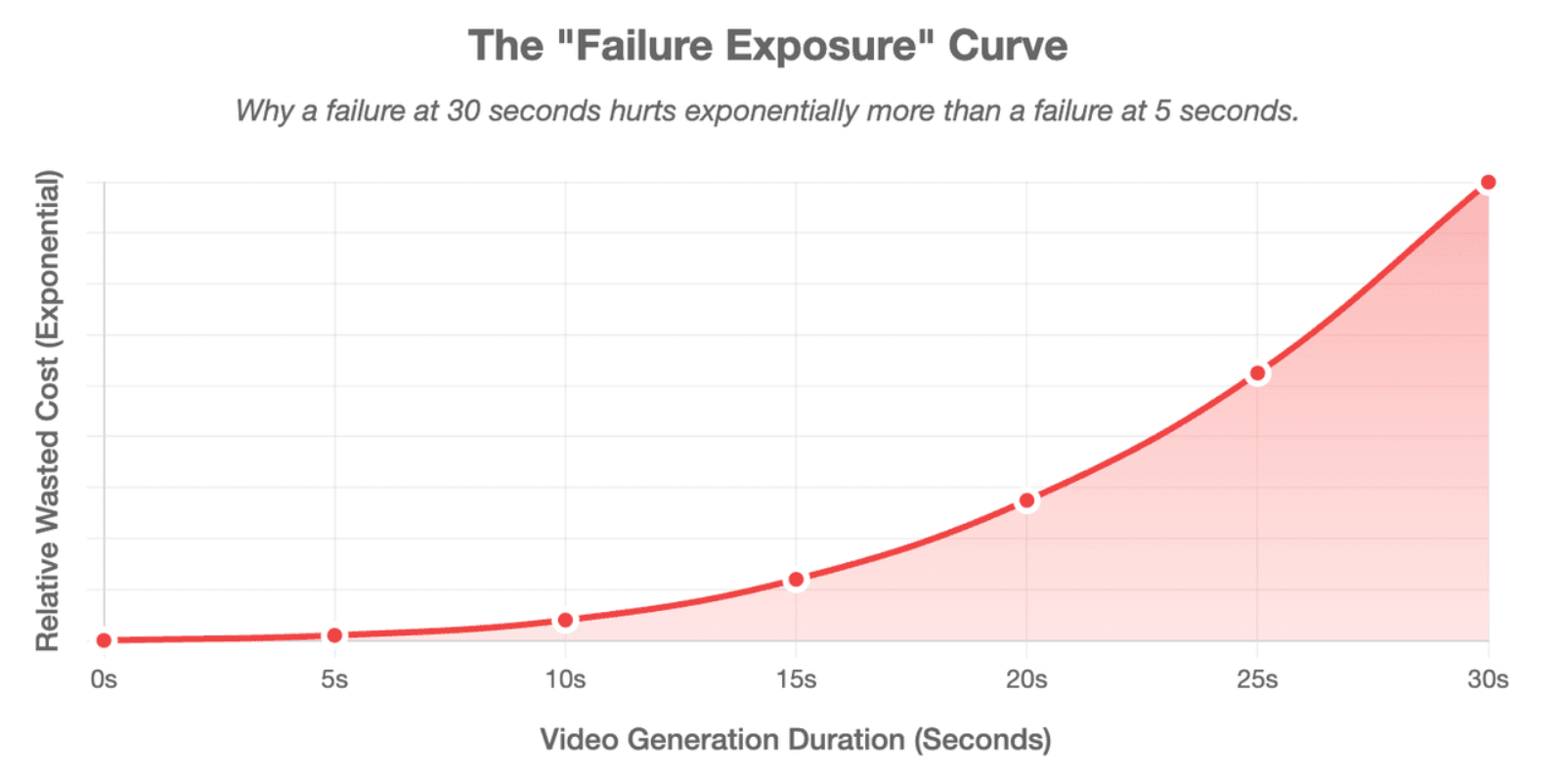
The trade-off is failure exposure. If a five-second shot fails, replacing it is relatively cheap. If a 30-second generation works for 25 seconds and breaks at the end, deciding whether to accept, repair, or reroll becomes more expensive.
When Does a 30-Second Generation Work Best?
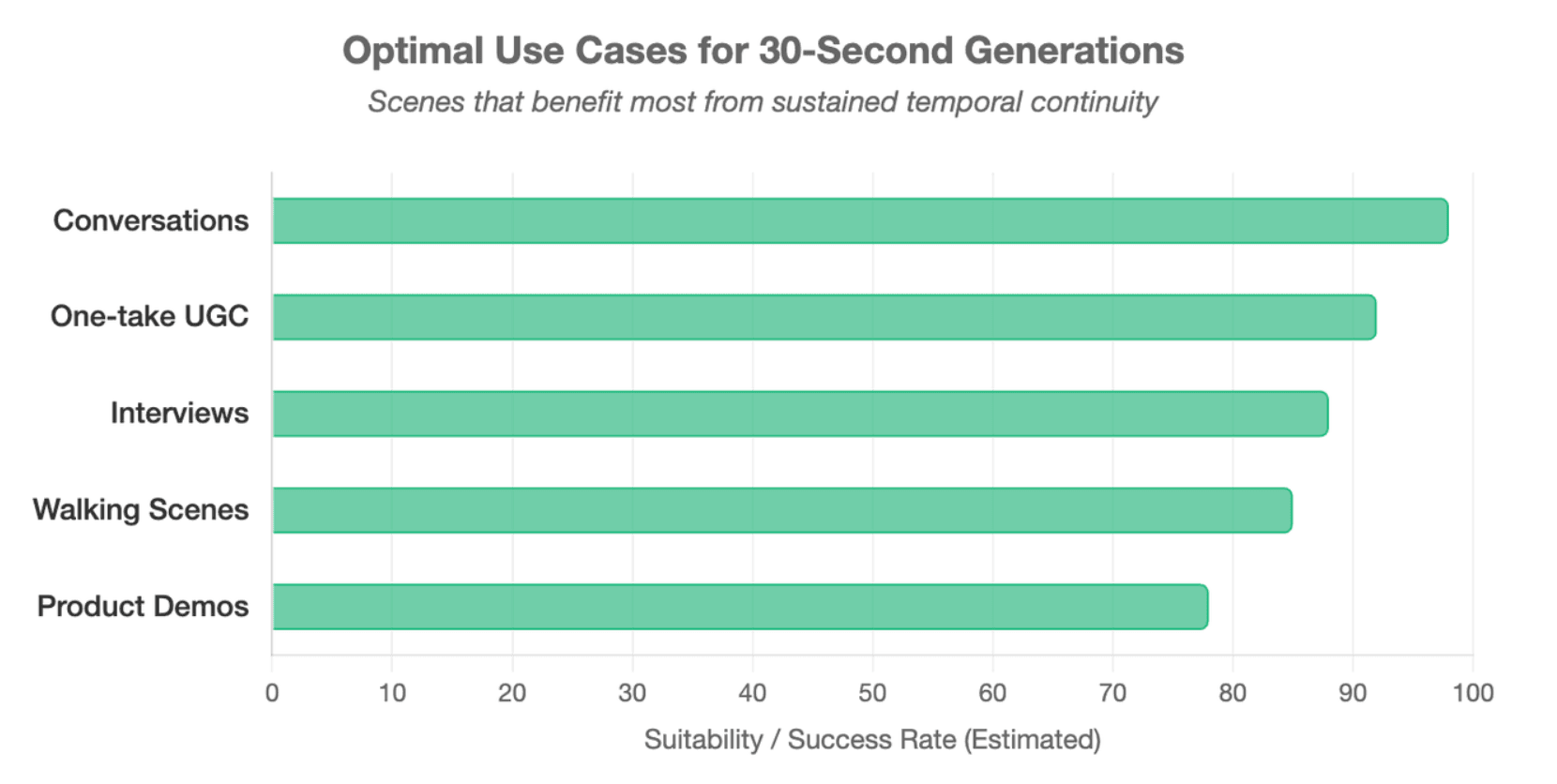
Long generation is most useful when continuity itself creates value. Good candidates include conversations, one-take UGC, interviews, walking-and-talking scenes, slow product demonstrations, and emotionally connected performances.
These scenes benefit from keeping the same temporal context rather than rebuilding the character, camera, and environment every few seconds.
When Is Shorter Shot-by-Shot Generation Better?
Short clips remain practical for:
- complex fights or choreography;
- precise object interactions;
- rapid multi-shot editing;
- scenes where individual moments need many variations.
A creator can generate multiple short takes, select the best results, and assemble them in Premiere Pro or DaVinci Resolve. Reddit users still describe this as a sensible workflow when a 30-second generation contains too many independent events.
The “Continuity Budget”: Why Duration Alone Does Not Predict Difficulty
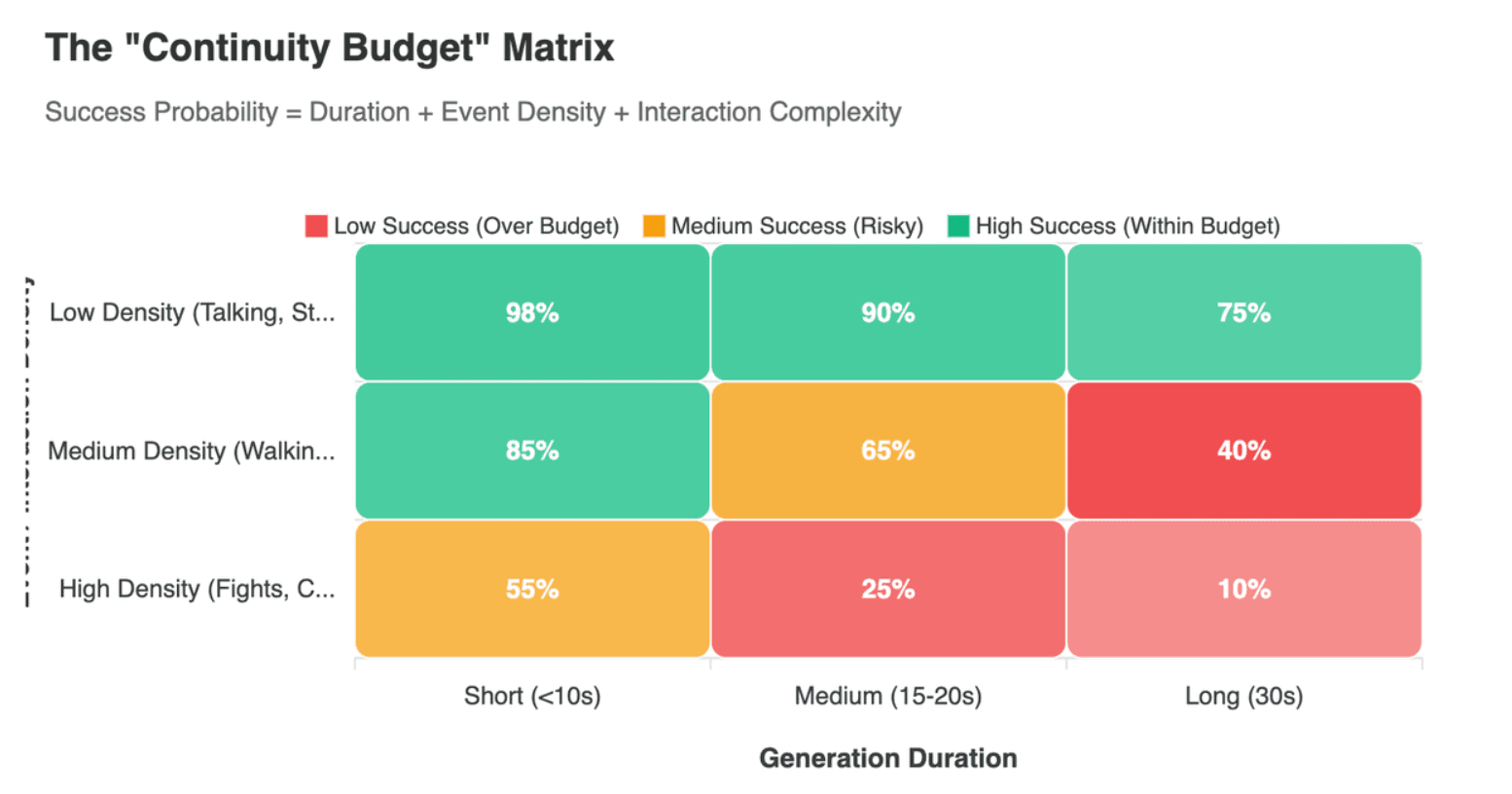
A useful way to evaluate Seedance 2.5 is through a continuity budget: how many things must remain correct at the same time?
A 30-second conversation between one character and a fixed camera may be easier than a 10-second fight involving three people, changing props, rapid camera movement, physical contact, and synchronized reactions.
In practice, difficulty is closer to:
duration + event density + interaction complexity + continuity requirements
This explains why long dialogue tests can perform well while much shorter choreography remains difficult.
How Good Are Seedance 2.5 Character Consistency, Acting, Motion, and Prompt Adherence?
Seedance 2.5 appears strongest when consistency is supported by good references and clear direction. ByteDance specifically emphasizes stable subjects across longer sequences, while Reddit tests show characters maintaining appearance through complex continuous shots.
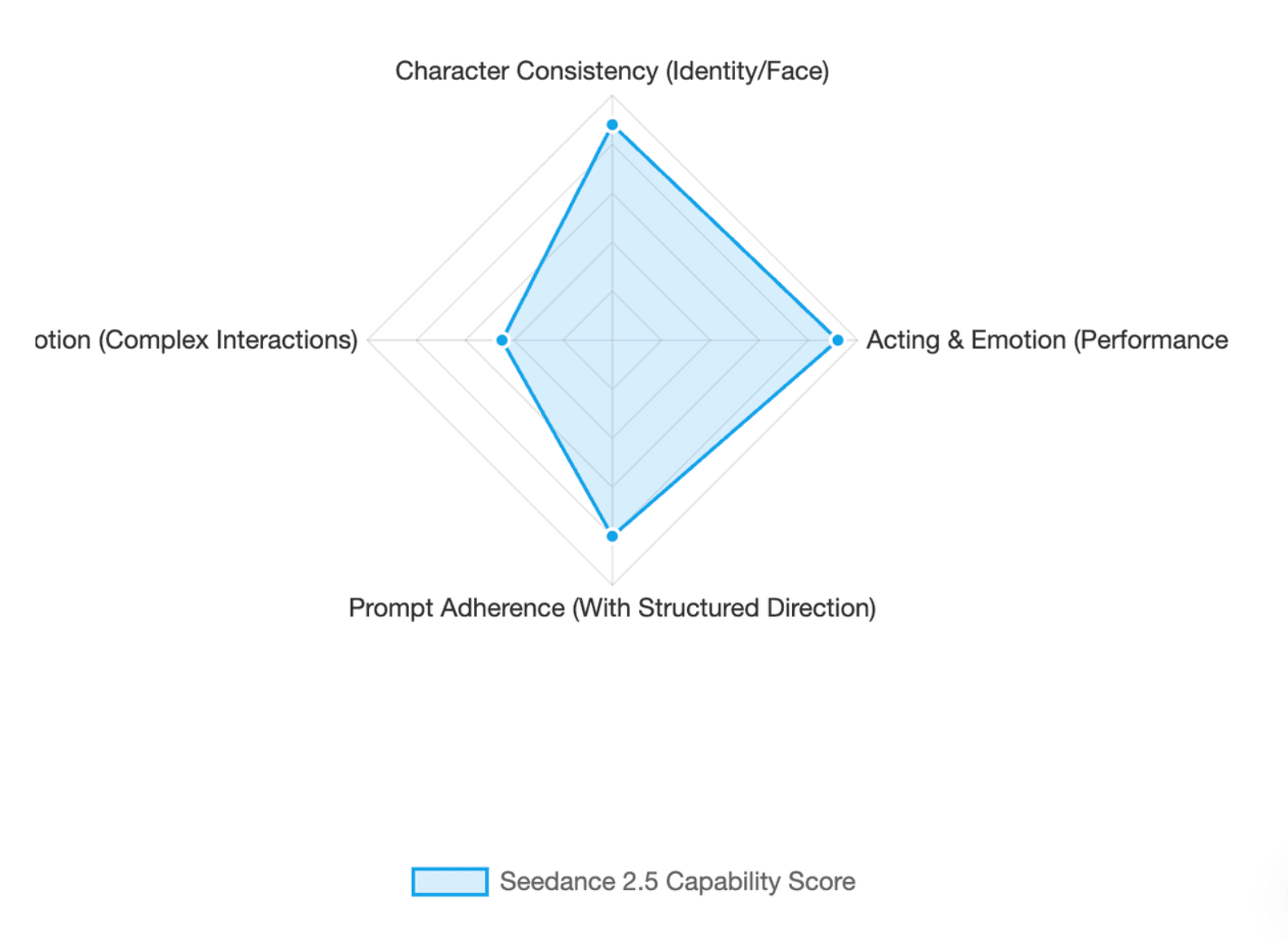
But “consistency” needs to be broken into separate problems. Keeping the same face is easier than keeping every body interaction physically correct.
Character Consistency vs Physical Interaction
A character may preserve:
- face;
- hairstyle;
- clothing;
- overall identity;
while still failing at:
- grabbing an object;
- touching another character;
- exchanging an item;
- landing a convincing punch.
That distinction matters because identity consistency is not the same as interaction consistency. Reddit action tests still show awkward contact and movement even when the characters themselves remain recognizable.
Dialogue, Acting, and Emotional Continuity
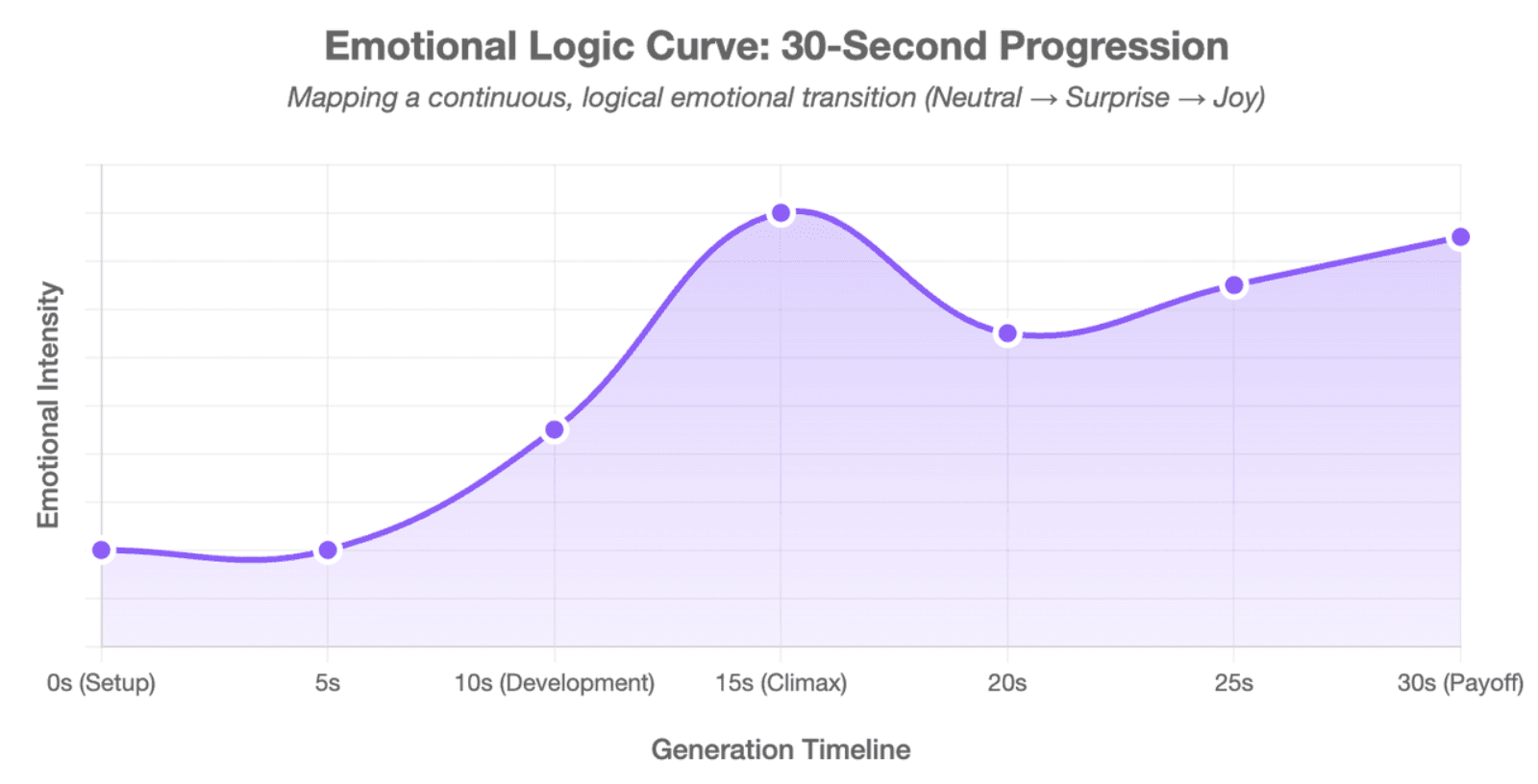
Dialogue and acting are among the more promising areas. Community reports describe natural reactions, eye movements, and performance beats, while ByteDance's official positioning emphasizes stronger audiovisual continuity.
The better benchmark is therefore not just “Did the same person stay on screen?” but “Did the performance remain emotionally logical?” A character should react to the previous line, maintain the correct emotional state, and progress toward the intended payoff.
Does Seedance 2.5 Follow Prompts Better?
Seedance 2.5 benefits from specific, structured instructions rather than unnecessarily long prompts. For long scenes, define what happens, when it happens, how the camera behaves, how other characters react, and what the final state should be.
Runway similarly notes that timestamps guide pacing rather than provide frame-accurate timing. They are best used to allocate approximate portions of the scene, with exact timing handled in post-production when necessary.
Are Seedance 2.5's 50 References and Video References Actually Useful?
Yes—but 50 references should be treated as a capacity limit, not a target. The practical value comes from assigning references clear jobs, not uploading as many assets as possible.
ByteDance says Seedance 2.5 can use visual composition, characters, props, scenes, motion, and other information from reference materials to guide generation.
Why Video Reference May Be Seedance 2.5's Most Important Feature
For complex movement, video can communicate information that is difficult to describe in text. A creator can film a performer walking, turning, reacting, or blocking a scene and use that recording as a structural reference.
One early-access creator described using self-recorded reference footage specifically to preserve acting, positioning, parallax, and depth.
This suggests a useful principle:
For difficult physical performance, the best prompt may be a video rather than a paragraph.
How to Build a Reference Hierarchy
Instead of treating every asset equally, organize references by priority.
Tier 1 — Must preserve: character identity, essential wardrobe, product shape. Tier 2 — Structural: environment, blocking, motion, camera behavior. Tier 3 — Stylistic: lighting, color, texture, cinematography.
If the model starts confusing references, removing redundant or conflicting assets may be more effective than simply adding more prompt text.
Reference-First vs Prompt-First AI Video Workflows
The older AI video workflow often focused on writing the longest possible prompt.
Seedance 2.5 points toward a different process:
prepare assets → assign reference roles → define timing and performance → use concise direction → generate
That makes skills such as storyboarding, blocking, reference selection, and editing increasingly important. The workflow starts to look more like production and less like prompt experimentation.
What Are the Biggest Seedance 2.5 Problems, Costs, and Platform Differences?
The biggest mistake is assuming every platform labeled “Seedance 2.5” provides the same experience. Resolution, credits, duration, references, moderation, concurrency, and subscription rules can all differ.
For example, Runway currently lists Seedance 2.5 at 480p or 720p, with up to 30 seconds and 50 references. It explicitly directs users to Seedance 2.0 for 1080p output.
Why Can Two People Using Seedance 2.5 Get Completely Different Results?
Actual experience depends on more than the underlying model:
model + provider + platform settings + moderation + account/region + references + prompt structure
That helps explain conflicting Reddit reports. Some users describe very strict filtering, while an early-access creator reported successfully producing R-rated material on Dreamina under different conditions.
The Artlist controversy provides another example. Users bought annual plans after an “unlimited” Seedance 2.5 promotion, then reported unexpected daily restrictions and the eventual removal of unlimited 2.5 access; subsequent posts indicate at least some affected subscribers later received refunds.
How Much Does Seedance 2.5 Really Cost?
There is no useful universal price because providers package Seedance differently. (To understand full platform pricing structures, see our breakdown on how much is Seedance 2.5). Some charge by second, others use credits or subscriptions, and reference video input can carry additional cost.
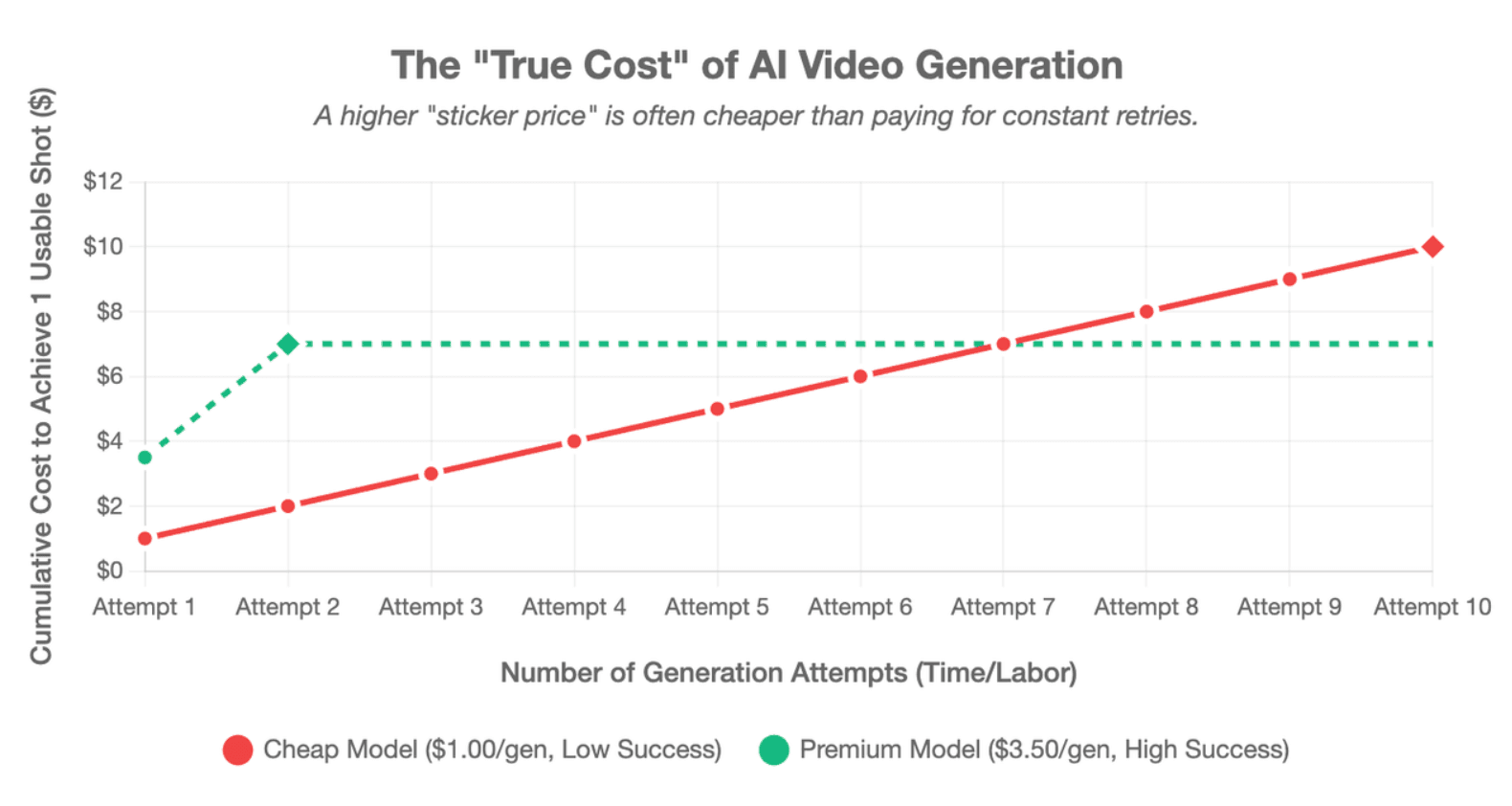
A more useful metric is cost per usable output. If an inexpensive generation requires ten retries, it may cost more than a higher-priced model that succeeds in two attempts.
Teams should track:
- attempts per accepted shot;
- usable seconds per generation;
- retry cost;
- editing and repair time.
What Type of Failure Are You Actually Seeing?
Instead of saying a generation is simply “bad,” identify the failure:
- Identity failure: character appearance changes.
- Temporal failure: events happen at the wrong time.
- Intent failure: the scene drifts away from the objective.
- Interaction failure: physical contact breaks.
- Reference failure: assets are ignored or confused.
- Camera failure: framing or spatial logic collapses.
- Audio/performance failure: dialogue or emotional timing breaks.
- Platform failure: moderation, credits, queues, or provider restrictions interfere.
Each requires a different correction. Shortening the clip will not fix a platform restriction, while changing platforms will not fix an overloaded choreography prompt.
How Should You Use Seedance 2.5 in a Real AI Video Workflow?
The strongest Seedance 2.5 workflow is not “write one huge prompt and hope.” Treat the model more like a production tool that needs a scene plan, controlled references, and a clear definition of what must remain consistent.
How Should You Prompt Seedance 2.5?
When mastering how to use Seedance 2.5, a practical prompt structure is:
Subject → Environment → References → Action → Timeline → Camera → Audio → Ending State
For a longer scene, divide the narrative into approximate phases such as setup, action, reaction, development, payoff, and ending. Timestamps help allocate pacing, but they should not be treated as frame-perfect editing commands.
How Can You Make Videos Longer Than 30 Seconds?
Plan the entire sequence first, then divide it at natural continuity points. Use the end of one generation—the character position, camera direction, lighting, object state, and emotional state—as the starting reference for the next.
This still requires human continuity management. A recent Reddit test joining two 30-second dialogue clips found visible changes between generations, showing that continuity inside one generation is easier than continuity across separate generations.
Should You Use Seedance 2.5 for Every Shot?
No. A better production strategy is shot routing.
Use Seedance 2.5 when long continuity, dialogue, acting, or multimodal references matter. Use a cheaper or faster model for disposable experiments, and test alternatives such as Seedance 2.0 or broader commercial video creation tools when choreography or a specific motion style matters more.
The useful question is not “Which AI video model is best?” It is “Which model is best for this shot?”
Conclusion
Seedance 2.5 is more than Seedance 2.0 with a longer duration limit, but Reddit testing does not show a universal upgrade. Its strongest advantages are long-form continuity, dialogue, acting, and reference-driven control, while complex physical interaction, choreography, moderation, platform differences, and retry costs remain important limitations. The most practical benchmark is therefore not maximum duration or reference count, but how much usable, controllable footage the model produces for the specific video you are trying to make.