How to Create a Campaign Video That Drives Engagement (Step-by-Step)

A campaign video is a marketing video built for one specific campaign objective, such as a product launch or event. Start by defining your target audience and desired action, then write the script and pair each line with a visual cue. Finish with a clear call-to-action and verify the version for your chosen distribution channel.
Many marketers struggle to turn campaign ideas into compelling videos—writing scripts, editing footage, and producing multiple versions can take days. Instead, tools like Leadde allow teams to convert scripts, documents, or campaign materials into professional marketing videos automatically, creating polished campaign content in minutes while saving production time and cost.

What Is a Campaign Video? (Definition, Purpose, and Examples)
Campaign Video Explained
A campaign video is a highly focused, strategic marketing asset designed to achieve a specific business objective over a defined period. Unlike general corporate overviews, these videos drive a singular narrative meant to spark immediate audience action.
As of 2026, available information suggests that video is the highest-converting medium for digital campaigns. A well-executed campaign video anchors your entire marketing strategy, providing the visual foundation for your brand's message.
Campaign Video vs Video Ad Campaign (Key Differences)
It is crucial to understand the distinction between these two marketing terms. The campaign video is the actual creative asset—the visual story, the script, and the editing.
Conversely, a video ad campaign refers to the distribution strategy. It encompasses the media buying, budget allocation, and platform targeting used to distribute the creative asset to the right audience.
Common Use Cases for Campaign Videos
Brands leverage targeted video content across various stages of the buyer’s journey. The most effective implementations include:
- Product launch campaigns: Showcasing new features using SaaS product demo software, unboxing experiences, and core value propositions.
- Brand awareness campaigns: Telling an emotional, overarching story about the company's mission and values.
- Social media marketing campaigns: Creating short, viral-ready clips designed to boost follower engagement and shares.
- Event promotion campaigns: Highlighting speakers, venue excitement, and ticket sales for upcoming conferences using professional event video production strategies.
Why Campaign Videos Are Powerful Marketing Tools?
Building Brand Awareness
Visual storytelling creates an immediate, memorable connection with your audience. When a brand pairs strong visuals with emotional audio, viewers are far more likely to remember the core message.
High-quality campaign videos establish industry authority. They signal to consumers that your brand is professional, trustworthy, and heavily invested in delivering value.
Increasing Engagement and Campaign Reach
Social media algorithms heavily favor native video content over static text or images. Videos generate significantly higher impressions, shares, and comments across all major platforms.
By utilizing dynamic motion and sound, marketers can interrupt the endless social scroll. This increased engagement directly translates to a wider organic reach for your campaign.
Driving Conversions and Customer Action
The ultimate goal of any marketing effort is to drive measurable business results. Campaign videos allow brands to communicate their message in a more engaging and memorable format compared with static marketing content.
When viewers can clearly see a product solving their exact problem in an explainer video, their purchasing friction drops. Videos with clear, authoritative directives consistently yield higher click-through and conversion rates.
The Core Elements of an Effective Campaign Video
A Clear Campaign Goal
Every successful video starts with a singular, measurable objective. You must decide if you are trying to capture email leads, sell a physical product, or simply boost website traffic.
If a video tries to accomplish too many goals at once, the viewer becomes confused. Successful campaign videos combine storytelling with clear marketing objectives.
A Deep Understanding of the Target Audience
You cannot craft a compelling message if you do not know who is watching. Marketers must build detailed buyer personas before writing a single line of dialogue.
Understanding your audience's pain points, language, and platform preferences is essential. A video designed for Gen Z on TikTok will look vastly different from a B2B software pitch on LinkedIn.
A Compelling Story or Message
Facts tell, but stories sell. The best campaign videos wrap their product features inside an emotionally resonant narrative.
Whether the tone is humorous, inspiring, or urgent, the story must center around the viewer. Position your customer as the hero, and your product as the ultimate tool for their success.
A Strong Call-to-Action
Never leave your audience wondering what to do next. Your video must conclude with a definitive, unmistakable instruction.
Whether it is "Download Now," "Sign Up Today," or "Visit Our Store," the Call-to-Action (CTA) must be visually prominent and verbally stated.
How to Create a Campaign Video (Step-by-Step Guide)
Step 1 — Define the Campaign Objective
Before any production begins, lock in your primary KPI (Key Performance Indicator). A clear goal ensures the campaign video remains focused.
Common, high-impact marketing objectives include:
- Brand awareness: Maximizing total video views and social shares.
- Product promotion: Highlighting specific features to drive direct sales.
- Lead generation: Forcing form fills or webinar registrations.
- Event promotion: Driving early-bird ticket purchases or RSVPs.
Step 2 — Identify the Target Audience
Knowing exactly who you are targeting dictates every creative decision that follows. Understanding the audience helps determine:
- Tone and messaging: Formal and data-driven vs. casual and entertaining.
- Visual style: Cinematic corporate branding vs. raw, user-generated content (UGC).
- Platform distribution: Horizontal 16:9 for YouTube vs. vertical 9:16 for Instagram Reels.
Step 3 — Develop a Campaign Video Concept
This is the brainstorming phase where raw ideas become a structured campaign. At this stage, teams define:
- The core message: The one sentence you want viewers to remember.
- The story angle: The unique perspective or creative hook you will use.
- The emotional appeal: Deciding whether to evoke excitement, trust, or urgency.
Step 4 — Write a Campaign Video Script
A strong script is the blueprint of your entire production. It must balance spoken words with clear visual directions. A typical campaign video script includes:
- Hook: The crucial first 3 seconds that stop the viewer from scrolling.
- Campaign message: The seamless introduction of your product or idea.
- Supporting visuals: Text overlays, B-roll, and product demonstrations.
- Call-to-action: The final, commanding directive to the viewer.
Example for a webinar campaign: the objective is registration, and the target audience consists of new users. First show the problem, then demonstrate one clear action, and close with the date and registration instruction. Place the spoken script, visual cue, and any on-screen text side by side for each section before editing. This is a script outline rather than a measured campaign case study.
Step 5 — Produce or Gather Visual Content
You do not necessarily need an expensive camera crew to build a great video, as you can easily learn how to produce professional explainer videos without agencies. Modern marketers utilize a mix of diverse media assets. Possible sources include:
- Filmed footage: Live-action shots of actors or company employees.
- Product demonstrations: Screen recordings or close-up macro shots of a product.
- Interviews: Authentic testimonials from happy customers or brand founders.
- Animations or motion graphics: Sleek text reveals and 3D visual effects.
Step 6 — Edit the Campaign Video
Editing is where the magic happens. It transforms raw footage into a compelling marketing asset. A poor edit can ruin great footage, while a great edit can save mediocre footage.
Editing tasks include:
- Video cutting: Removing dead space and tightening the visual pacing.
- Music and sound design: Adding emotional background tracks and impactful sound effects.
- Captions and graphics: Hardcoding subtitles for viewers watching on silent mode.
- Pacing optimization: Ensuring the video matches the rapid attention spans of modern users.
Step 7 — Launch and Distribute the Campaign Video
A great video serves no purpose if nobody sees it. You must deploy a multi-channel distribution strategy to maximize ROI. Campaign videos are typically distributed through:
- YouTube: Serving as the evergreen hub for long-form brand content.
- Social media platforms: Spliced into short vertical clips for TikTok, LinkedIn, and Instagram.
- Websites or landing pages: Embedded directly "above the fold" to increase conversion rates.
- Advertising platforms: Used as paid creative in Google Ads and Meta Business Manager.
Campaign Video Structure (Proven Marketing Framework)
Many successful campaign videos follow a simple storytelling framework.
| Stage | Purpose |
|---|---|
| Hook | Capture viewer attention |
| Problem | Present audience challenge |
| Solution | Introduce product or brand |
| CTA | Encourage action |
This framework ensures the campaign video delivers a clear marketing message.
Campaign Video Script Template (Ready-to-Use Example)
The following template can help marketers plan their campaign video quickly.
| Scene | Example Content |
|---|---|
| Opening | Attention-grabbing moment |
| Middle | Introduce campaign message |
| Proof | Show benefits or testimonials |
| Ending | Call-to-action |
Templates make it easier to maintain structure during production.
Best Tools for Creating Campaign Videos
Online Video Editors
Browser-based editors have democratized video production. Online tools allow creators to quickly assemble videos using templates and pre-built assets. They are perfect for teams without dedicated motion graphics experts, helping to significantly reduce overall video production costs.
They typically support:
- drag-and-drop editing
- text overlays
- music tracks
These tools are ideal for quick marketing videos.
Mobile Video Editing Apps
For on-the-go content and social media trends, smartphones are incredibly powerful. Mobile apps enable creators to produce campaign videos directly from smartphones, offering native formatting for TikTok and Instagram Reels.
AI Video Generation Platforms
In 2026, generative AI is completely disrupting marketing workflows. AI video platforms, often integrated with top AI avatar generators, can automatically generate scenes, scripts, and voiceovers from text or documents.
These platforms can automatically generate:
- video scenes
- scripts
- voiceovers
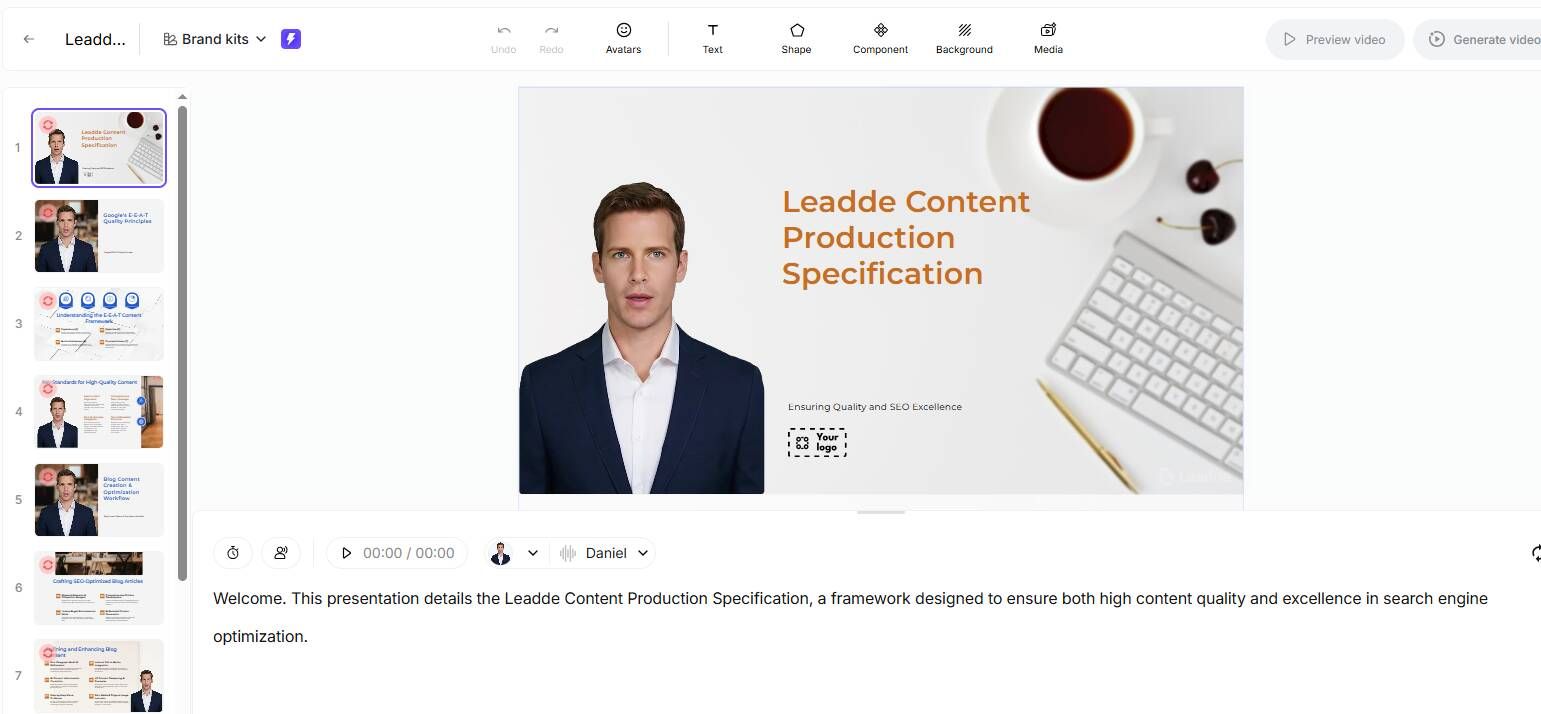
Leadde enables teams to convert presentations, documents, and text into structured marketing videos with automatically generated scenes, scripts, and narration, helping businesses create campaign videos more efficiently. With credit-based plans starting with a Free Plan (200 credits/month) and support for 88 languages and 175 dialects, brands can easily translate a video to scale their localized video campaigns.
Tips for Creating a High-Converting Campaign Video
- Keep the campaign message simple and clear: Do not overwhelm the viewer with ten different value propositions.
- Focus on emotional storytelling: People buy based on emotion and justify with logic.
- Highlight the key value of the product or brand: Show, don't just tell, how your product improves their life.
- Include a strong call-to-action: Make the next step absolutely frictionless.
- Adapt the video for multiple platforms: Always export 16:9, 1:1, and 9:16 aspect ratios for maximum reach.
Optimizing Campaign Videos for Different Platforms
YouTube Campaign Videos
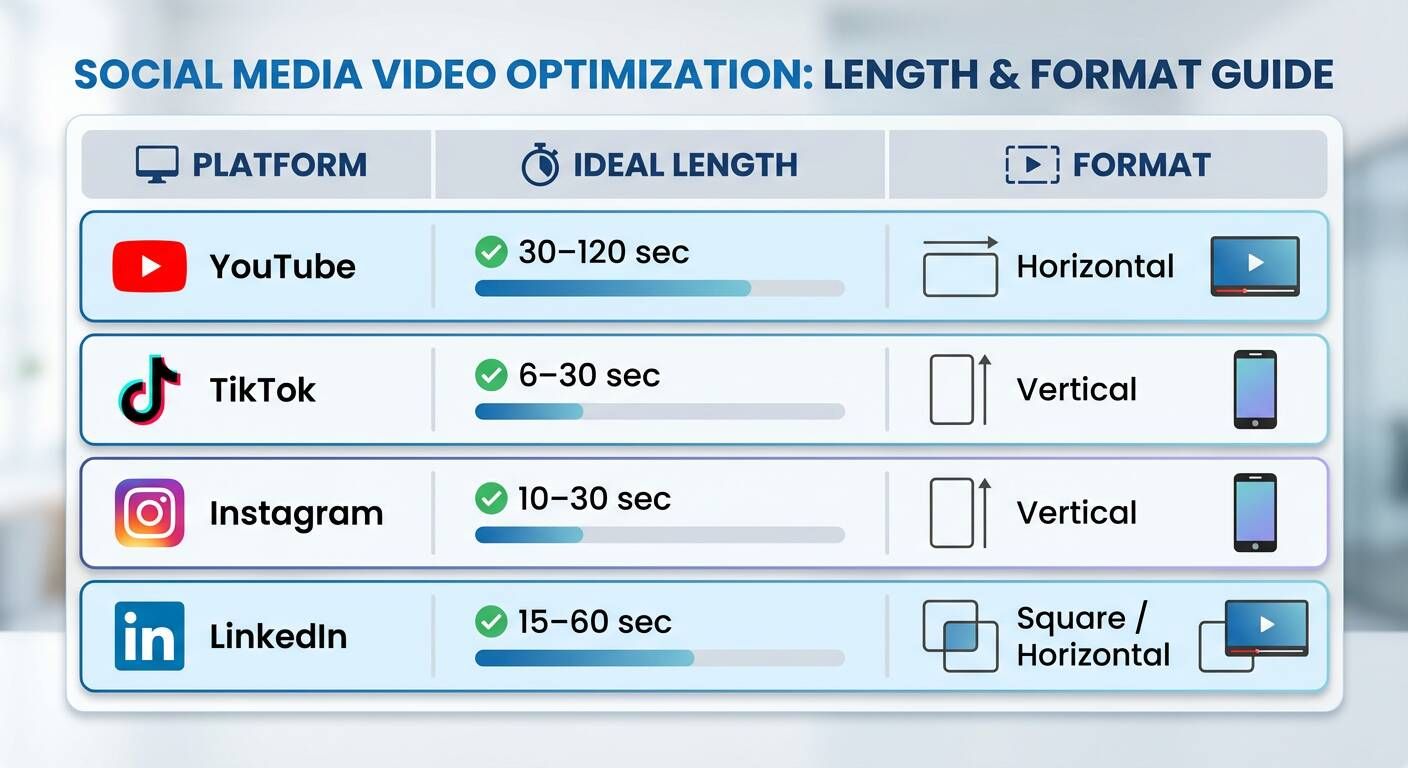
YouTube is suitable for longer campaign storytelling and brand awareness. Because viewers are actively searching for information, you can afford to create 2-to-3-minute deep dives that thoroughly explain your brand's mission.
TikTok and Short-Form Campaign Videos
On platforms driven by the "For You" algorithm, speed is everything. Short vertical videos perform well for social engagement. You must hook the viewer within the first 1.5 seconds and rely heavily on trending audio.
Instagram and LinkedIn Campaign Videos
These platforms bridge the gap between entertainment and professional networking. These platforms often favor branded storytelling and concise messaging. Use professional captions and visually polished graphics to establish authority.
Examples of Successful Campaign Videos
Brand Awareness Campaign Videos
These videos often utilize sweeping cinematic shots and inspiring voiceovers. They focus on the "Why" of the company rather than the specific features of a product, building long-term consumer loyalty.
Product Launch Campaign Videos
Tech companies excel at these. They feature macro close-ups of new hardware, high-energy music, and rapid-fire text highlighting upgraded specs and release dates.
Social Media Campaign Videos
Often utilizing user-generated content (UGC) or influencer partnerships, these videos feel native to the platform. They are raw, authentic, and highly relatable, driving massive organic sharing.
Note: Studying successful campaigns can help marketers develop effective strategies and identify emerging visual trends in their specific industry.
Common Mistakes When Creating Campaign Videos
Unclear Campaign Message
If a viewer reaches the end of your video and still doesn't know what you are selling, the campaign has failed. Stop trying to be overly clever at the expense of absolute clarity.
Weak Opening Hook
Starting your video with a slow, fading 5-second logo animation is marketing suicide in 2026. If the first frame is not visually arresting, the audience will immediately swipe away.
Missing Call-to-Action
Assuming the viewer knows what to do next is a costly error. You must explicitly direct them to your landing page or checkout cart. Avoiding these mistakes can significantly improve campaign performance.
Frequently Asked Questions About Campaign Videos
What makes a campaign video effective?
An effective campaign video seamlessly blends an emotional story with a clear, singular marketing objective. It hooks the viewer immediately, solves a specific problem, and provides a frictionless call-to-action.
How long should a campaign video be?
As of 2026, short-form social media campaigns should range from 15 to 45 seconds. Deeper brand awareness or YouTube campaigns can comfortably extend from 1 to 3 minutes, provided the pacing remains dynamic.
Where should campaign videos be published?
Campaign videos should be distributed omni-channel for maximum ROI. Publish the full version on YouTube and your website, and distribute bite-sized, vertical cuts across TikTok, Instagram Reels, and LinkedIn.
Conclusion
Campaign videos are powerful tools for marketing campaigns. By combining strong storytelling, clear messaging, and effective distribution strategies, brands can create videos that consistently engage audiences and drive meaningful business results.
Modern video tools and AI-powered platforms are making it easier than ever to produce campaign videos quickly and scale marketing efforts across multiple platforms. By leveraging automation tools like Leadde, businesses can turn existing documents into dynamic, multilingual video campaigns, ensuring their message reaches a global audience instantly.