How Conversational AI Works in 2026: From NLP to Interactive Video Avatars

Conversational AI is a set of technologies that enables machines to understand, process, and respond to human language in a natural, contextual way. As of 2026, it has evolved far beyond simple text-based chatbots; modern conversational AI relies on a combination of Natural Language Understanding (NLU), generative Large Language Models (LLMs), and multimodal processing. This allows systems to not only remember complex dialogue context but also interact through voice and chat-enabled interactive video avatars. By automating these intelligent, human-like interactions, enterprises can resolve up to 80% of routine inquiries and reduce operational support costs by up to 65%.
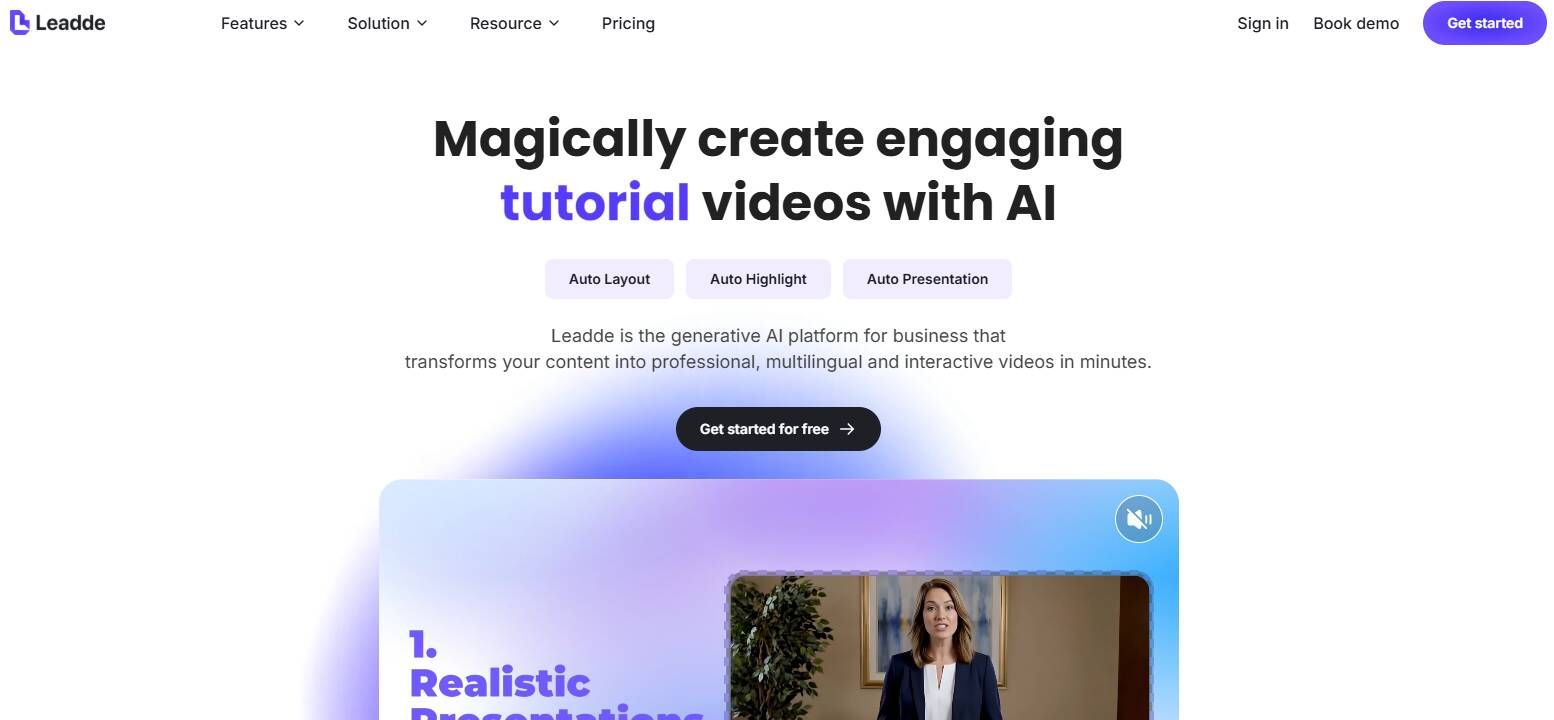
Struggling with slow, expensive chatbot setups and manual video production that drain your budget? Leadde fixes this. Turn any document and text into a professional business video automatically. Super fast. Create videos in minutes. Save over 80% of production costs and 90% content creation time.
Decoding Conversational AI: Beyond the "I Didn't Understand That" Loop (The "What")
The 2026 Evolution: Generative AI vs. Legacy Rule-Based Chatbots
As of 2026, available information suggests that the era of rigid, frustrating chatbots is over. Legacy bots relied on static decision trees and keyword matching; if a user deviated from the script, the bot would inevitably fail.
Modern conversational AI is entirely different. It utilizes Large Language Models (LLMs) and generative AI to understand the nuanced meaning behind a user's words, allowing for dynamic, unscripted, and human-like conversations.
Multimodal Agents: Bridging Text, Voice, and Visual Interactions
The most significant leap in recent years is the shift from text-only interfaces to multimodal agents. Today's systems process text, voice, and even visual inputs simultaneously.
Instead of typing into a small chat window, users can now have face-to-face conversations with AI avatars. This visual interaction builds trust and mimics the experience of speaking with a real human expert, dramatically improving user engagement. Many businesses are now exploring where to find high-quality AI avatars for marketing to enhance these digital touchpoints.
The Technical Engine: How Conversational AI Actually Works (The "How It Works")
Phase 1: Input Processing via Speech-to-Text (STT) and Modality Recognition
The process begins the moment a user speaks or types. If the input is voice, the system uses advanced Speech-to-Text (STT) algorithms to convert the audio wave into text in milliseconds.
Simultaneously, modality recognition detects whether the user is providing additional context, such as uploading a document or sharing a screen, ensuring the AI captures all relevant information before analyzing the request.
Phase 2: Natural Language Understanding (NLU) & Intent Extraction
Once the input is digitized, Natural Language Understanding (NLU) takes over. NLU is the core component that extracts the actual "intent" (what the user wants to do) and "entities" (specific details like dates or product names).
For example, if a user says, "I need to reset my router," the NLU engine identifies the intent as "Technical Support" and the entity as "Router," bypassing the need for exact keyword matches.
Phase 3: Dialogue Management & Context Memory Retention
The Dialogue Management system acts as the AI's short-term memory. It tracks the state of the conversation and remembers previous inputs (context) so the user doesn't have to repeat themselves.
If a user asks a follow-up question like, "How much does it cost?", the dialogue manager knows "it" refers to the router discussed in the previous turn, enabling a fluid, multi-turn conversation.
Phase 4: Natural Language Generation (NLG) & Text-to-Speech (TTS)
Finally, the AI must respond. Natural Language Generation (NLG) constructs a coherent, grammatically correct, and contextually appropriate text response.
If the interaction is vocal or visual, Text-to-Speech (TTS) technology converts this generated text into highly realistic, human-sounding audio, completing the conversational loop.
Why Enterprise Leaders Are Upgrading to AI-Driven Conversations (The "Why")
Deflecting Support Tickets and Reducing Operational Costs by Up to 65%
As of 2026, available information suggests that businesses face overwhelming volumes of repetitive support queries. Conversational AI acts as the first line of defense, automatically resolving common issues like password resets or order tracking.
By handling these routine tasks autonomously, companies can deflect a massive portion of support tickets, freeing up human agents for complex issues and reducing overall operational costs by up to 65%.
Accelerating B2B Sales Cycles with 24/7 Intelligent Outreach
Sales teams use conversational AI to qualify leads and answer product questions instantly, regardless of the time zone. These AI assistants can ask probing questions, gather contact details, and even book meetings directly into a representative's calendar.
This 24/7 availability ensures that high-intent prospects are engaged immediately, accelerating the sales cycle and preventing lead drop-off. For those looking to optimize their pitch, learning how to create a video sales letter can be a game-changer.
Revolutionizing Internal Help Desks and Employee Training
Internal IT and HR departments also benefit immensely. Employees can ask a conversational AI questions about company policies, benefit enrollments, or software troubleshooting.
This provides instant, personalized support to the workforce, reducing the burden on internal help desks and streamlining the onboarding process for new hires. Many companies are now using sales training videos powered by AI to keep their teams updated efficiently.
Breaking the Implementation Bottleneck: Leadde's Visual AI Solution (The "Unique Solution")
Automating the Leap from Static Documents (PPT/PDF) to Interactive Video Chat
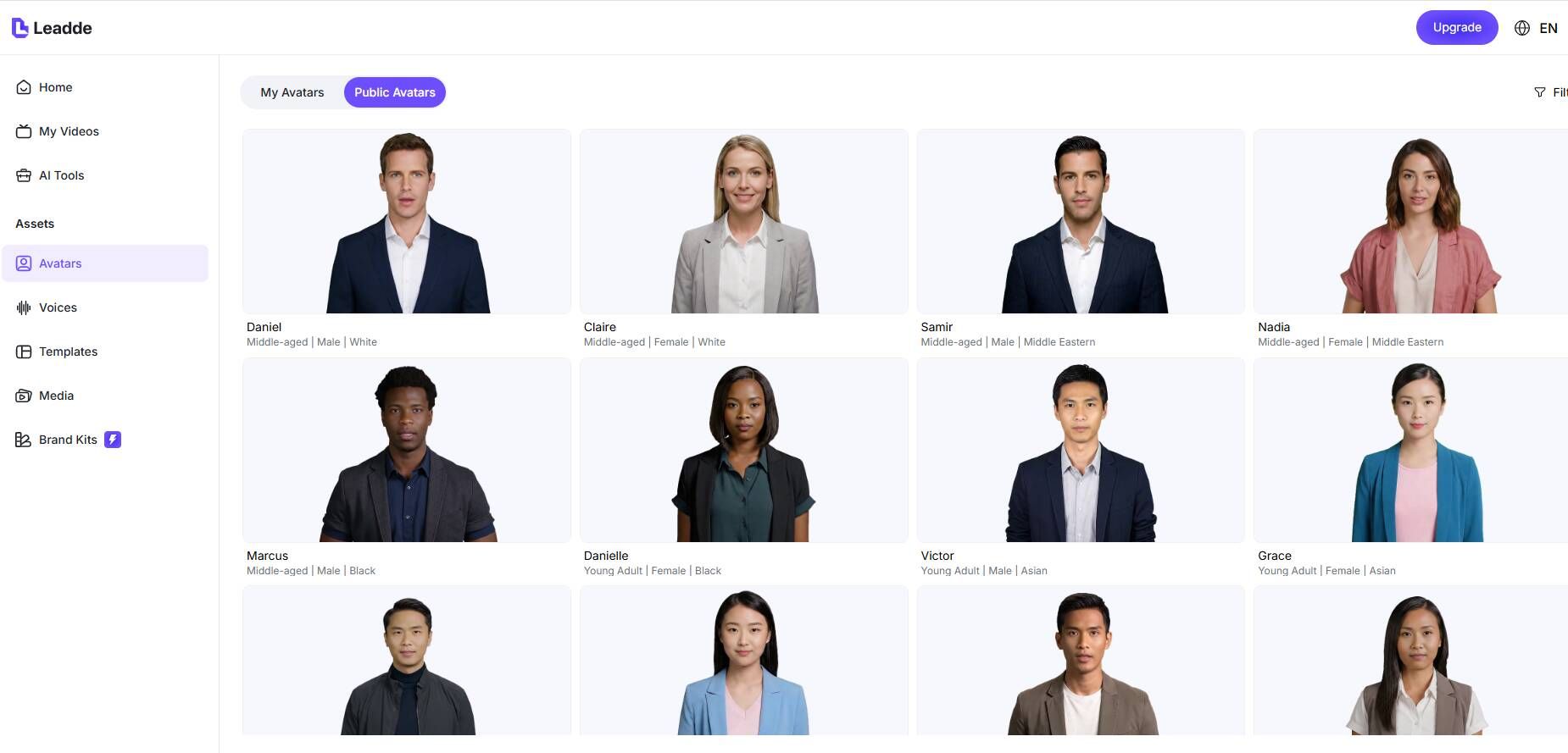
Historically, building a conversational AI required manually writing hundreds of Q&A pairs into a knowledge base. Leadde eliminates this bottleneck by turning documents into videos automatically.
Leadde allows you to convert PDFs to videos online and transforms business content such as PowerPoint files to video effortlessly. With the "Chat with Video" feature, viewers can ask text-based questions about video content and receive contextual answers, transforming videos from passive media into interactive knowledge resources.
Hyper-Localization: Scaling Native Conversations with 170+ Voice Clones
To deploy conversational AI globally, the voice must sound native and authentic. Leadde addresses this by supporting large-scale video localization for global audiences.
Furthermore, the platform provides access to top AI avatar generators and supports 170+ languages with accents for voice cloning. This allows teams to maintain a consistent brand experience across global markets without the need for traditional filming, editing, or localization workflows.
Conversational AI Software Comparison: Text-Only vs. Video Pioneers (The "Compare")
Traditional CRM Bots (Zendesk, Salesforce) vs. Multimodal AI Avatars
As of 2026, available information suggests that traditional CRM platforms like Zendesk and Salesforce offer robust, text-based chatbots primarily focused on routing support tickets. While effective for basic text triage, they lack the engaging, face-to-face element of modern multimodal AI.
In contrast, platforms utilizing best AI avatars for video creation provide a significantly more humanized experience. By giving the AI a face and a voice, businesses can foster stronger emotional connections, which is particularly critical for corporate training videos.
Synthesia vs. HeyGen vs. Leadde: The Battle for Interactivity
| Feature | Leadde | Synthesia | HeyGen |
|---|---|---|---|
| Convert Document to Video with AI | Maintains business branding. Supports auto layout and auto highlight. | Based on fixed, non-editable templates. Visuals are monotonous; images and videos cannot change dynamically with content. | Not supported |
| Interactivity | ✅ Video chat + Chat-enabled interactive avatars (strongly Lead) | ❌ Standard one-way video output | ❌ Standard AI video output |
| Voice Cloning | 170+ languages with accents | 140+ languages | ~40+ languages (relatively fewer) |
| Starter Plan Pricing | $19/month, unlimited videos | $29/month, 10 minutes per month | $29/month, unlimited videos |
Conclusion: Choosing the Right Conversational AI Strategy for 2026 (The "Choose")
Understanding how conversational AI works—from NLP and intent extraction to dialogue management—is crucial for modernizing your business strategy. As the technology moves beyond simple text bots toward highly engaging, multimodal agents, the focus shifts to reducing production friction and enhancing user interactivity.
For teams looking to deploy this technology rapidly, Leadde offers a transformative approach by showing how to make promotional videos for business fast. By enabling organizations to scale professional video assets and combining 92-language support with interactive video capabilities, Leadde helps organizations scale production while keeping time and costs under control.