
How to Brand an Avatar: 5 Successful Examples for Video Marketing

Branding an avatar for video marketing means transforming a generic digital presenter into a recognizable extension of your brand through consistent visual identity, voice, messaging, and audience positioning.
Successful branded avatars do more than “look professional” — they reinforce trust, improve recognition, and create a more cohesive customer experience across product demos, training videos, social campaigns, and global marketing content.
The most effective examples combine clear brand personality, repeatable design rules, and communication styles tailored to specific audiences.
But building a branded avatar manually is slow, inconsistent, and expensive. Leadde helps teams turn documents and text into professional branded AI videos in minutes—with customizable avatars, multilingual delivery, and enterprise-ready workflows that cut video production costs by up to 80% and content creation time by up to 90%.
But building a branded avatar manually is slow, inconsistent, and expensive. Leadde helps teams turn documents and text into professional branded AI videos in minutes—with customizable avatars, multilingual delivery, and enterprise-ready workflows that cut production costs by up to 80% and content creation time by up to 90%.
How to Brand an Avatar Example: What Does a Branded Business Avatar Actually Mean?
What is a brand avatar?
A brand avatar is the conceptual personification and visual embodiment of a business's core identity, mission, and operational soul. It serves as a permanent, recognizable human face that translates corporate values into consistent customer-facing experiences.
What is an AI avatar?
An AI avatar is a digitally rendered virtual entity driven by artificial intelligence algorithms capable of turning text scripts into lifelike video presentations. Modern AI entities support direct photo generation and interactive capabilities to replace legacy filming workflows.
What is the difference between a brand avatar, buyer persona, and digital spokesperson?
- Buyer Persona: Represents the external target audience and ideal customer profile you want to reach.
- Brand Avatar: Represents your internal company identity, corporate voice, and visual VI systems.
- Digital Spokesperson: The specific execution channel or tool used to deliver video marketing messages.
Why do businesses need a branded digital identity instead of a generic presenter?
Generic presenters create uninspired customer touches that dilute authority and lower content retention rates. A branded digital identity seamlessly maintains business branding through technologies like auto layout and auto highlight. This ensures every automated video asset perfectly mirrors corporate design parameters.
Why Does Branding an Avatar Increase Business Trust and Recognition?
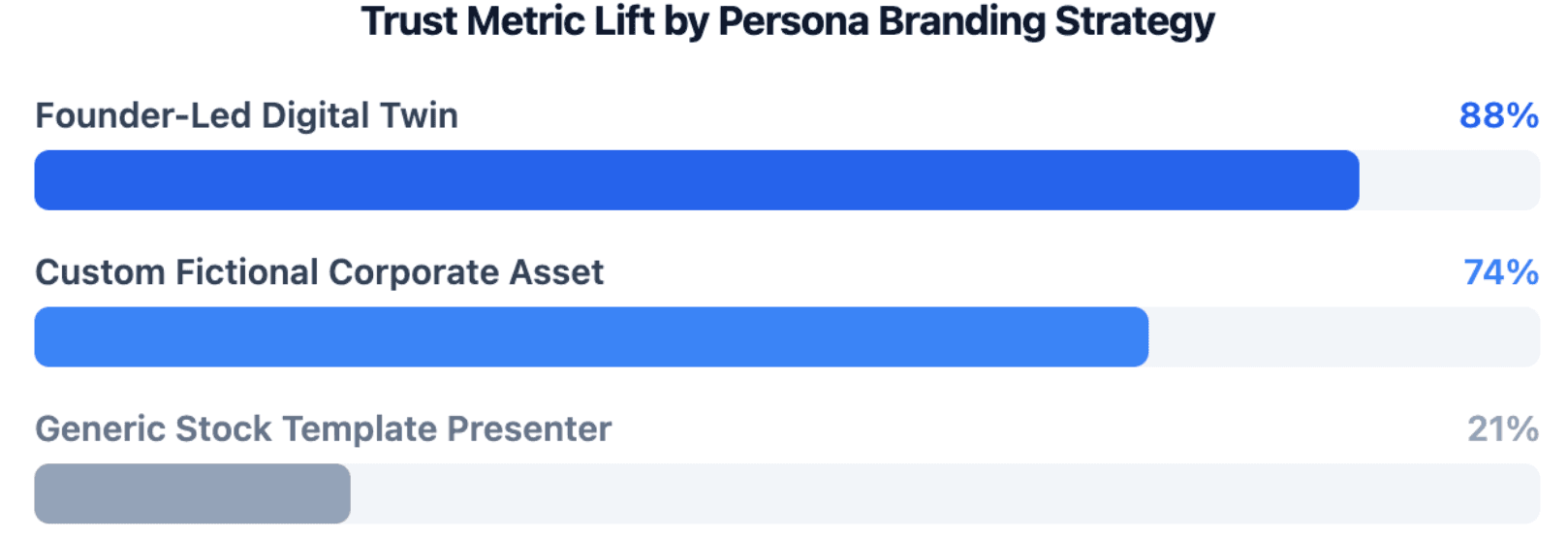
How humanized branding improves trust
Humanized branding shifts audience perception from a faceless corporation to an accessible, relatable entity. Delivering standard operational messaging through a consistent human face cultivates transparency and psychological safety.
Why people connect with personalities more than logos
Logos function as abstract corporate markers, whereas human personalities stimulate immediate emotional engagement. Audiences inherently decode facial movements and vocal tones, allowing branded characters to drive higher loyalty than static graphics.
How branded avatars improve consistency across teams
- Visual Alignment: Eliminates localized variations by locking down centralized corporate wardrobe guidelines.
- Operational Control: Prevents sub-teams from modifying core logo structures across decentralized marketing files.
- Voice Standardization: Ensures across-the-board synchronization of brand vocabulary across multiple operating units.
Why generic avatars often damage credibility
Using standard stock models found across competitive sites instantly Signals low production investment to savvy buyers. When clients spot the same digital presenter across multiple unrelated websites, it severely damages brand authenticity and domain authority.
Founder-led vs fictional brand identity examples
td {white-space:nowrap;border:0.5pt solid #dee0e3;font-size:10pt;font-style:normal;font-weight:normal;vertical-align:middle;word-break:normal;word-wrap:normal;}
| Identity Type | Key Operational Example | Primary Strategic Value |
| Founder-Led | Steve Jobs (Apple) / Elon Musk (Tesla) | High authentic authority, direct cultural alignment, strong emotional tie-in. |
| Fictional Brand | Custom AI Entities / Institutional Mascots | Complete corporate IP ownership, zero key-man risk, 24/7 deployment stability. |
What Makes an Avatar Feel Truly On-Brand Instead of Generic?
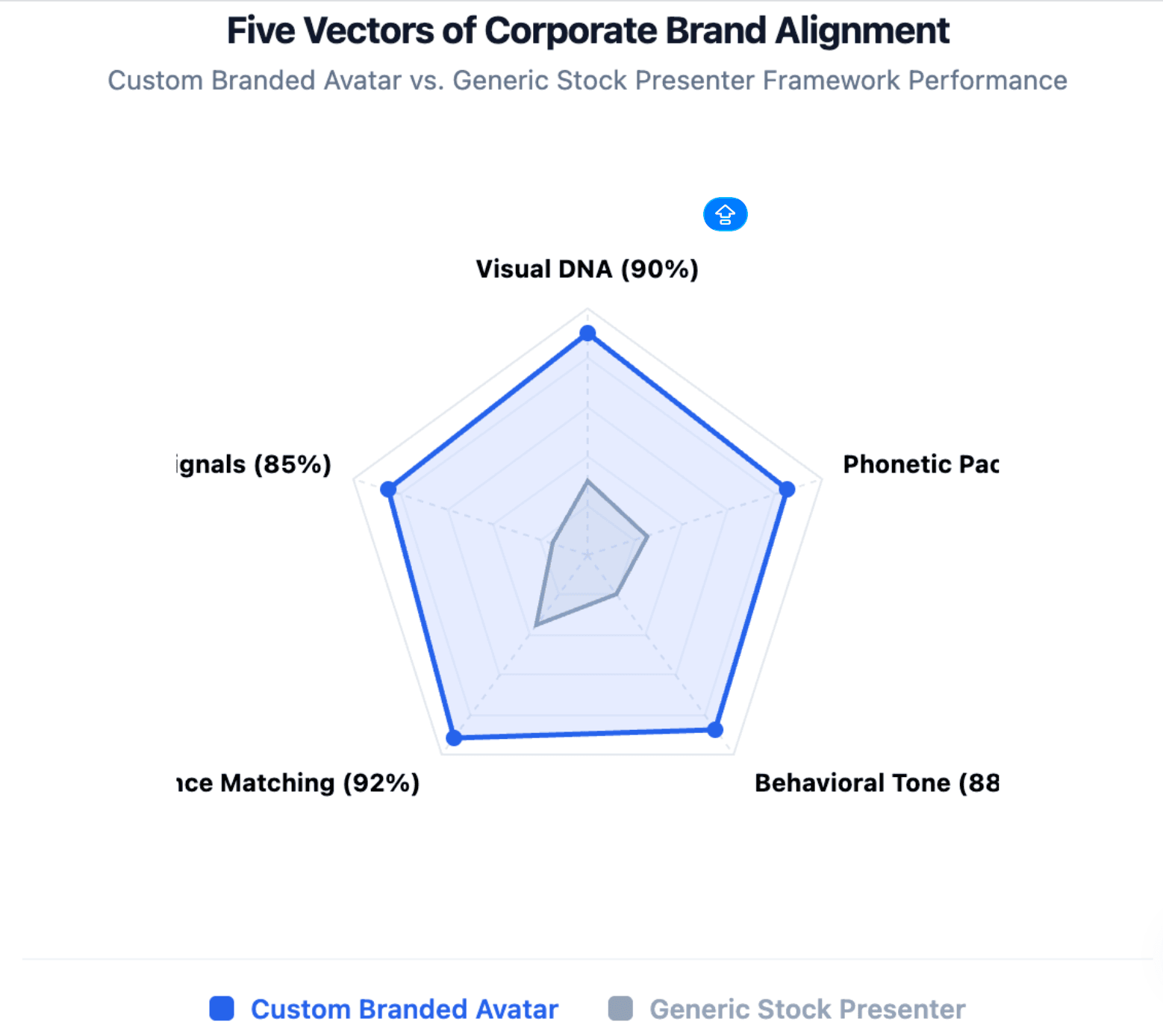
Brand personality alignment
An avatar must visually and behavioral reflect your exact positioning framework, whether that is highly technical or easily accessible. The digital presenter's performance style must synchronize with whether your firm acts as a conservative platform or a disruptive startup.
Visual identity consistency
Every digital asset must integrate flawless visual brand parameters across diverse delivery channels. As of 2026, available information suggests that top-performing companies achieve this by mapping exact hexadecimal color matches across background gradients and video overlays.
Voice tone and communication behavior
The synthetic presenter's vocal delivery must adhere to predefined communication parameters, including specific speech pacing and specialized industry vocabulary. True alignment dictates whether the speaker utilizes an authoritative engineering voice or an empathetic customer success posture.
Audience expectation matching
The avatar's demographic traits, clothing choices, and setting backgrounds must perfectly mirror what your primary industry purchasers anticipate. A corporate banking trainer demands formal suiting, while a modern product marketing guide thrives in minimalist office spaces.
Emotional trust signals
- Micro-Expressions: Controlled eye contact and rhythmic nodding patterns that validate target viewer focus.
- Phonetic Accuracy: Flawless pronunciation of technical jargon and acronyms to establish operational authority.
- Contextual Pacing: Modulating presentation speed during critical strategic value statements to emphasize content weight.
How Do You Build an Avatar Brand Strategy Before Designing Anything?
Who should your avatar represent?
Your digital entity must represent the collective values of your executive tier while remaining accessible to target purchasers. Determine if the presenter functions as an elite technical subject matter expert or a supportive customer onboarding guide.
What should your avatar never say?
Establish definitive content boundaries regarding corporate compliance, unapproved product roadmaps, and off-brand competitor put-downs. Create a strict vocabulary blacklist to protect cross-regional brand equity and prevent legal entanglements.
What emotional role should your avatar play?
Define whether the entity acts as a comforting guide for mandatory internal compliance or an energizing agent for sales outreach. The emotional design dictates subsequent scripting structures and voice cloning model selections.
How to create an avatar brand brief
- Section 1: Core Visual DNA (Hex codes, layout parameters, wardrobe constraints).
- Section 2: Phonetic parameters (Language targets, localized accent models, speech velocity).
- Section 3: Vertical Deployment Matrix (Mapping specific characters to accurate B2B use cases).
Founder-led vs fictional spokesperson decision framework
Choose a founder-led twin if your executive team possesses strong public authority and demands highly personalized client outreach. Opt for a fictional corporate spokesperson when scaling programmatic multilingual training libraries across global multi-plant installations.
How Do You Design a Compliant Visual Identity Framework for Your Avatar?
Brand colors, wardrobe, and visual cues
Map your exact corporate color choices into the presenter's primary wardrobe elements or structural video backdrops. Ensure high visual contrast while keeping accents aligned with centralized corporate style guides.
Typography, overlays, and presentation styling
Utilize official company font packages across all video lower-thirds, text overlays, and automated content callouts. Presentation layouts must stay uniform across decentralized asset generation pipelines to maintain look-and-feel compliance.
Camera framing and aspect ratio rules
- Landscape (16:9): Reserved for complex product iterations, SaaS dashboard breakdowns, and LMS training modules.
- Vertical (9:16): Locked for instant mobile alerts, store operations standard guidelines, and social channels.
- Framing Constraints: Maintain strict chest-up positioning with calculated depth-of-field blurring to separate subjects cleanly.
Circular profile image and micro-display optimization
When rendering social media profile graphics, visual elements must fit cleanly within a standardized circular crop layer. Keep typography and decorative icons minimal, avoiding long text strings that distort at low resolutions.
Critical logo misuse mistakes to avoid
Never allow decentralized marketing teams to manipulate, stretch, or recolor primary company logos within video backgrounds. Academic seals, corporate trust badges, and internal mascots must remain protected from unauthorized editing.
How Do Enterprise Teams Protect Brand Compliance Across Avatar Content?
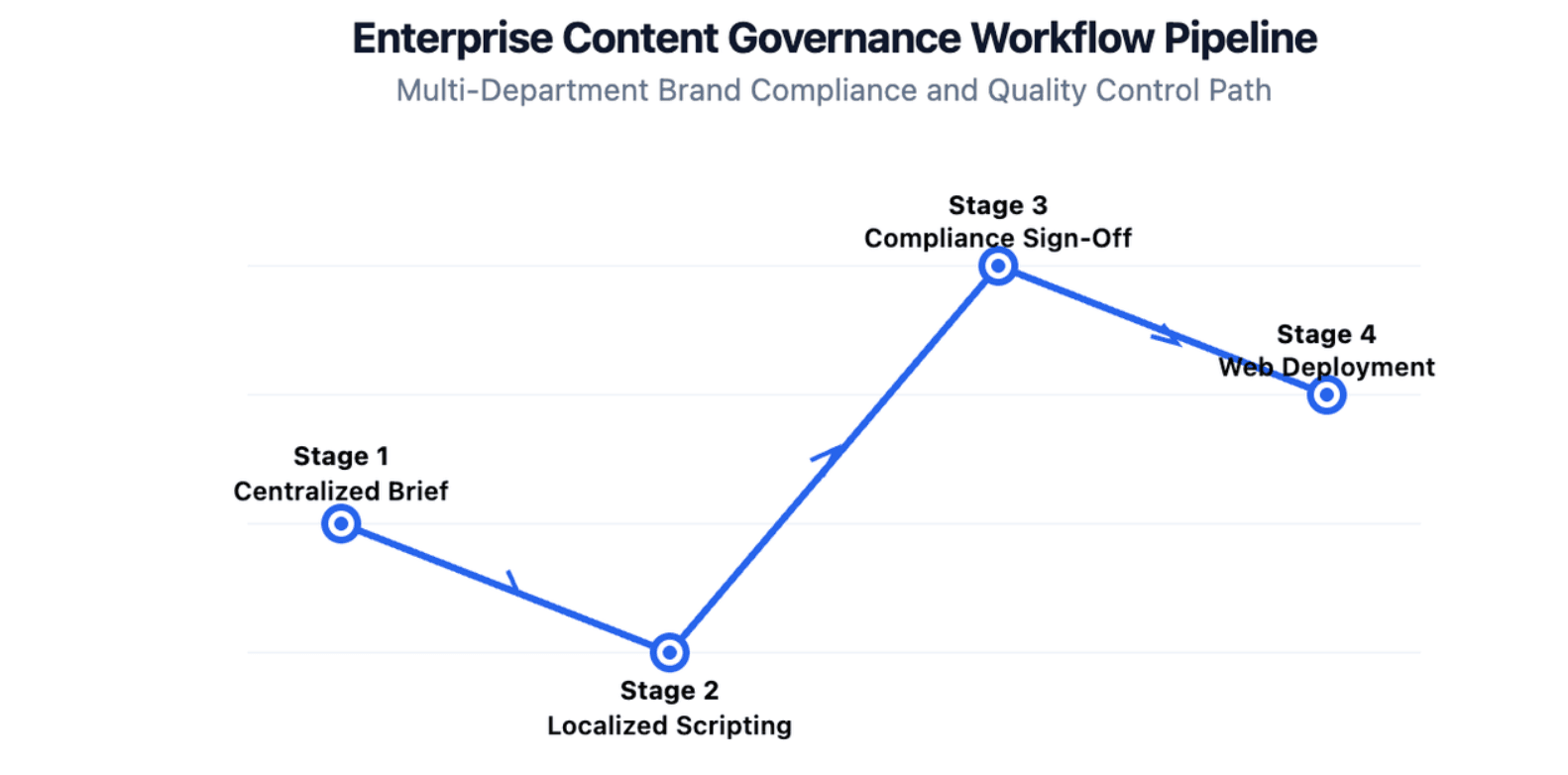
Approval workflows
Implement a strict multi-tier review process where all automated video outputs undergo quality review prior to deployment. Local operators must document content calendar URLs and submit copy to centralized supervisors to verify visual parameters.
Brand governance checklists
- Check 1: Verify core keyword placement inside first paragraphs and metadata modules.
- Check 2: Confirm image assets do not exceed 200K limits and utilize compressed webp extensions.
- Check 3: Audit voice cloning performance to remove robotic phrasing or pronoun errors.
Sub-team identity consistency rules
Prevent regional sub-teams from building rogue presentations by locking corporate identity settings inside a unified system dashboard. Regional adaptations must pull exclusively from pre-approved brand briefs to maintain structural integrity across global boundaries.
Asset management and version control
Store certified digital twins, pre-rendered backdrops, and authorized font kits within an enterprise-grade digital asset management platform. Deprecate legacy presentation templates immediately to ensure global workers generate compliant content.
IP and official logo protection considerations
Ensure your legal architecture explicitly covers the commercial rights of generated digital faces and cloned vocal engines. Maintain absolute oversight of synthetic files to block intellectual property theft or unauthorized external cloning.
How Do You Make an AI Avatar Feel More Human and Trustworthy?
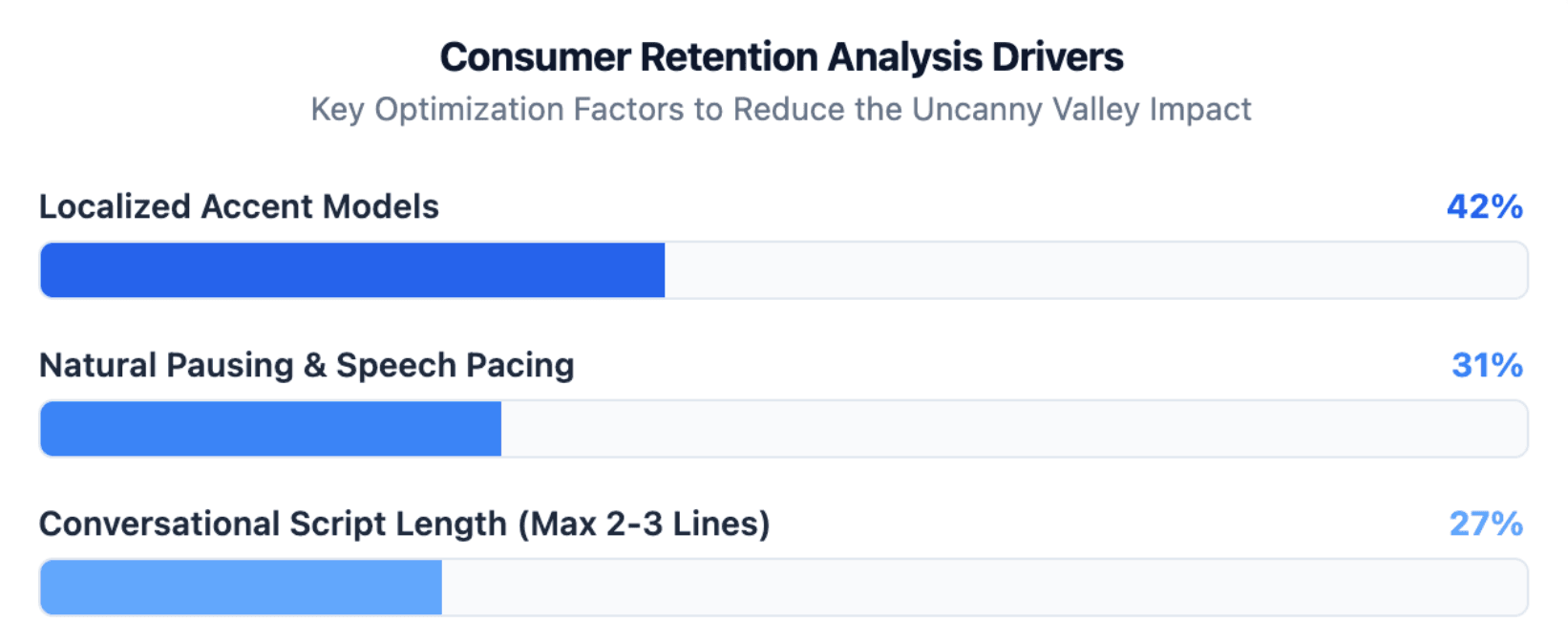
Reducing uncanny valley
Minimize awkward synthetic positioning by selecting advanced AI models trained on fluid human kinetic responses. Pair realistic digital rendering structures with cinematic background environments that feature authentic lighting reflections.
Natural voice and pacing
Avoid flat, monotone deliveries by deploying state-of-the-art voice cloning platforms that support granular emotional modulation. Incorporate custom punctuation pauses to closely mirror standard conversational breathing loops.
Authentic scripting
- Rule 1: Write short, conversational sentences spanning a maximum of two lines to maintain clear readability.
- Rule 2: Inject real-world data points and actual enterprise use cases to boost authentic authority.
- Rule 3: Avoid overly complex sentence configurations that trigger mechanical pronunciation slips.
Accent and regional voice consistency
Deploy advanced phonetic engines capable of supporting over 170 languages and unique localized accents. This ensures your global outreach matching features sound natively resonant whether targeting UK enterprise buyers or regional APAC facilities.
Transparency and disclosure best practices
Maintain deep market trust by providing clean, clear on-screen disclosures regarding the synthetic nature of the presenter. Ethical transparency reinforces digital compliance while focusing customer attention on the core value proposition.
What Are Real Examples of Branded Business Avatars?
SaaS onboarding avatar example
An enterprise software platform uses a 1:1 digital clone of their Product Marketing Director to automate new client onboarding. The system creates personalized modular course libraries that guide buyers through product setups, increasing platform activation metrics.
Corporate training avatar example
A global industrial manufacturing operation converts dry text SOP manuals into dynamic training video assets automatically. The unified virtual instructor maintains brand compliance while scaling safety bootcamps across multiple plants worldwide.
Founder-led brand avatar example
A boutique professional consulting agency clones their founder's likeness and exact vocal tone to supercharge account-based marketing (ABM). The cloned identity generates personalized landing page videos for high-value targets, cutting production costs by 80%.
University visual avatar example
A major academic institution enforces rigid visual rules by using a standard administrative character across sub-departments. The design uses precise school colors and fits neatly inside circular social profile frames, ensuring instant institutional recognition.
Global multilingual support avatar example
An IT services provider converts technical system documentation into multilingual video libraries across 170+ localized accents. The system updates content dynamically, allowing global call center agents to view updated compliance rules instantly.
How Do You Keep a Branded Avatar Consistent Across Global Channels?
Website consistency
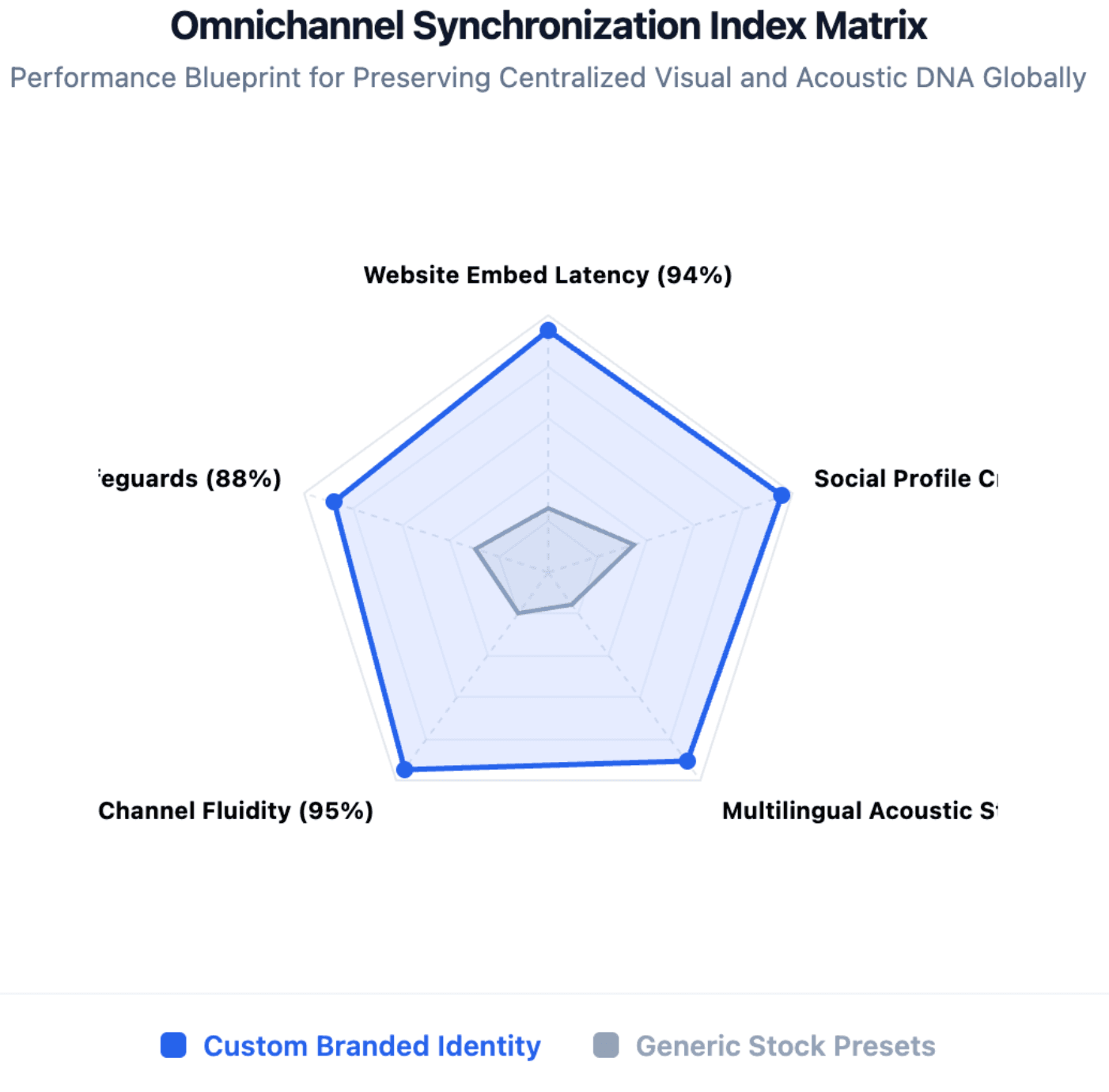
Embed your interactive digital representative inside landing page architectures using stable, zero-latency visual frames. The presentation style, background lighting, and UI elements must mirror your overall digital product styling.
Video consistency
Enforce matching lower-thirds, standardized intro/outro frames, and uniform audio volume normalization parameters across all video outputs. Every asset must present identical framing ratios whether rendered for internal enablement or external product updates.
Social media consistency
- Profile Standardization: Enforce matching circular profile graphics across LinkedIn, YouTube, and X channels.
- Layout Uniformity: Lock down branded canvas banners that frame the presenter symmetrically across channels.
- Message Synchronization: Coordinate script themes globally to protect master corporate messaging pillars.
Multilingual brand consistency
Avoid broken messaging by using a single, unified digital character that speaks fluently across multi-language rollouts. This centralized configuration maintains an unshakeable identity archetype while executing highly localized international marketing tracks.
Regional adaptation without losing identity
Allow regional teams to adjust localized vocal accents and text languages to match native consumer demographics. However, lock core visual traits, hexadecimal color spaces, and corporate compliance guardrails to prevent brand dilution.
How Do AI Avatar Platforms Compare for Business Branding?
Stock avatar vs custom avatar systems
Stock digital presenter systems offer low entry barriers but lack distinctive corporate branding value and invite market replication. Custom twin architectures require upfront photo/video configuration inputs but deliver long-term brand exclusivity and domain trust.
Template-based vs dynamic content generation
td {white-space:nowrap;border:0.5pt solid #dee0e3;font-size:10pt;font-style:normal;font-weight:normal;vertical-align:middle;word-break:normal;word-wrap:normal;}
| Platform Attribute | Template-Based Systems | Dynamic Generation Systems |
| Visual Framework | Relies on fixed, non-editable layout structures. | Delivers fully responsive, brand-compliant assets. |
| Content Fluidity | Visuals remain static; text updates break alignment. | Supports Auto Layout and Auto Highlight configurations. |
| Vocal Architecture | Standard localized multi-language text-to-speech presets. | Advanced deep voice cloning across 170+ languages with accents. |
Passive video vs interactive AI presenter experiences
Legacy applications limit corporate users to standard, one-way video file outputs that lack audience data feedback channels. Modern platforms feature built-in Video Chat and Chat-enabled interactive avatars that enable real-time, bidirectional client problem-solving.
Voice cloning and multilingual considerations
Starter plans that limit content generation volumes are unsuited for deep multi-regional campaigns. Scaling teams require unified architectures that support extensive language variants paired with affordable entry costs, such as unlimited generation options.
Scalability for enterprise teams
True enterprise scaling requires turning corporate text documents into high-definition presentation clips automatically. Systems must reduce production timelines by 90% to let cross-functional teams deploy compliance training across global nodes effortlessly.
How Do You Measure Whether Your Branded Avatar Is Actually Working?
Engagement metrics
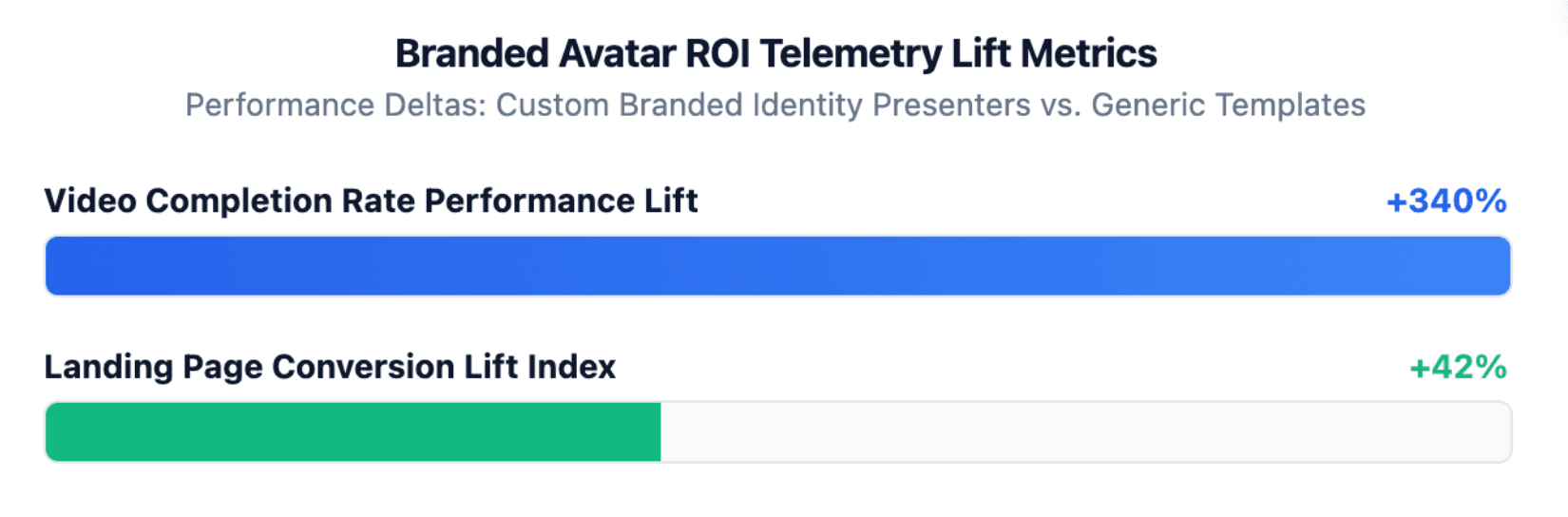
Track direct viewer interaction indicators, such as replay frequencies, social click-through ratios (CTR), and average viewing durations. Branded presenters must achieve higher baseline engagement metrics compared to traditional text landing blocks.
Completion rates
Monitor the precise percentage of target leads who watch your product walkthroughs or mandatory internal training clips to the end. High drop-off numbers indicate a need to adjust scripting velocity or modify vocal clones.
Brand recall
Conduct standardized consumer surveys to measure audience recall regarding corporate identity markers and key value positions. Compare retention rates between viewers exposed to customized avatars versus those who viewed generic stock presenters.
Trust indicators
- Lead Quality: Tracking the volume of target ABM accounts booking discovery calls post-onboarding.
- Inbound Conversion: Measuring direct sign-up spikes on web pages featuring interactive chat presenters.
- SOP Compliance: Auditing reduction in field operational errors following avatar bootcamp deployments.
A/B testing branded vs generic presenters
Run parallel split tests on landing environments pitting an official custom executive clone against a generic template presenter. Document clear performance deltas across lead acquisition costs, user bounce behavior, and conversion volumes.
Which Branded Avatar Strategy Is Best for Your Business?
Best for startups
Startups should prioritize cost-effective custom photo setups paired with highly targeted social media outbound scripting. Focus on building humanized founder twins to quickly establish domain authority within competitive funding spaces.
Best for enterprise teams
Enterprise organizations demand centralized governance dashboards that lock core VI rules while allowing local operators to generate multi-industry training assets. Prioritize platforms that automate text-to-video transfers to drastically reduce global localized costs.
Best for creators
Individual creators should focus on affordable, unlimited video production plans that support rapid asset generation across diverse social channels. Utilize photo-based generation engines to scale personal brand presence without committing to exhausting filming cycles.
Best for global organizations
Global conglomerates must choose architectures that support robust multi-lingual voice cloning across 170+ distinct localized accent parameters. Ensure the platform provides dynamic layout stabilization to protect identity alignment across multi-regional divisions.
Conclusion
Building a successful branded avatar system requires moving beyond static, generic presenters and embracing dynamic, compliant AI identities. To achieve maximum market trust, organizations must outline a clear brand strategy that aligns visual color systems, sets strict vocabulary parameters, and selects advanced conversational deployment tools. By replacing rigid, non-editable templates with adaptive auto-layout architectures and multi-lingual voice cloning, enterprise teams can instantly turn text documents into professional video assets. This strategy protects core intellectual property, ensures multi-channel visual compliance, and reduces overall content production costs by up to 80% globally.